



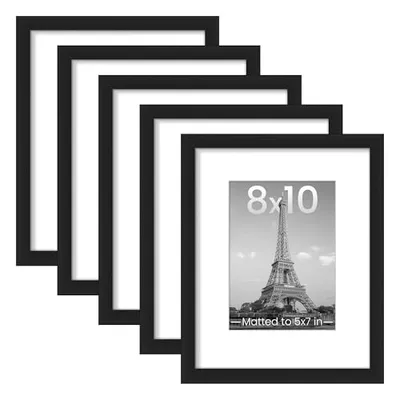
In-Depth Technical Guide to Picture Frames and Paintings
Delving into the comprehensive world of visual displays, the "Picture Frame and Painting" category encompasses the critical elements required to beautifully present and meticulously preserve artworks. This technical guide explores the nuances of selecting, mounting, and displaying your cherished pieces, ensuring both aesthetic harmony and long-term integrity.
Understanding Picture Frames: Structure and Preservation
The foundation of any displayed artwork often begins with the selection of appropriate Picture Frames. More than just decorative borders, frames provide structural support and a crucial first line of defense against environmental damage. Key technical considerations include the frame material—wood, metal, composite—each offering different aesthetic qualities, weight, and durability. Wood frames provide classic elegance and can be custom-finished, while metal frames offer a sleek, contemporary look and often greater rigidity. The choice of glazing is paramount for preservation; options range from standard glass to museum-grade acrylic or glass with advanced UV-filtering coatings that block up to 99% of harmful ultraviolet rays, crucial for preventing fading and degradation of pigments and paper. Anti-reflective coatings further enhance visibility by minimizing glare, ensuring the artwork is seen clearly from various angles. Matting, typically acid-free or archival board, serves to physically separate the artwork from the glazing, preventing condensation transfer and providing an aesthetic border that can enhance the artwork's visual impact and perceived depth. Proper mounting techniques, using archival corners or hinges, are essential to secure the artwork within the frame without causing damage.
Navigating Wall Art: Mediums, Display, and Installation
The broad spectrum of Wall Art encompasses everything from oil paintings and acrylic canvases to fine art prints, photographs, and mixed media pieces. Each medium presents unique technical requirements for display and preservation. Canvas paintings, for instance, often benefit from float frames that leave a space around the canvas edge, creating a sophisticated shadow line. Prints and photographs, especially those on paper, demand meticulous framing with archival materials to prevent acid migration and environmental damage. When installing wall art, proper hanging hardware is critical. Factors such as the weight of the framed piece, the wall material (drywall, plaster, brick), and the desired security level dictate the choice between picture wire, D-rings, cleat systems, or security hangers. Achieving optimal lighting is another technical consideration; direct sunlight should be avoided to prevent UV damage, while artificial lighting (e.g., LED picture lights) should be chosen for its color rendering index (CRI) and minimal heat emission to best illuminate and protect the artwork without contributing to its deterioration. Consideration of humidity and temperature control within the display environment is also vital, particularly for valuable or sensitive artworks, to prevent warping, cracking, or mold growth.
Strategic placement and grouping of Wall Art significantly influence the overall aesthetic of a space. Technical approaches to gallery walls involve precise measurements and planning for spacing, alignment, and visual balance. Utilizing templates or digital mock-ups can ensure a cohesive and impactful display before making permanent installations. Understanding the interplay between artwork, frame, and environment is key to creating a compelling visual narrative that enhances any setting.