


A Comprehensive Technical Guide to Grilling and Barbecue Systems
Understanding Grill and Barbecue Systems
The vast landscape of outdoor cooking devices is engineered to deliver specific thermal performances and culinary outcomes. At its core, a grill or barbecue system functions by applying heat to food, but the methods and control mechanisms vary significantly. Traditional charcoal grills offer intense direct heat and a smoky flavor profile, while gas grills provide precise temperature control and quick startup times. Electric models, on the other hand, eliminate the need for fuel storage and can often be used in environments where open flames are restricted.
Diverse Applications and Essential Equipment
For those who prioritize flexibility and mobility, Portable BBQs represent an excellent choice, engineered with compact designs and often lighter materials for easy transport to picnics, camping trips, or tailgating events. These units typically emphasize efficient fuel consumption and quick setup. Conversely, the art of low-and-slow cooking is mastered with dedicated Smokers, which are designed to maintain consistent, low temperatures over extended periods, infusing food with rich, complex smoky flavors using wood chips, chunks, or pellets. These systems often feature sophisticated temperature probes and airflow control mechanisms.
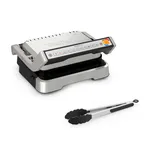
Beyond traditional grilling, modern outdoor kitchens frequently incorporate Electric Griddles & Skillets for versatile cooking options, perfect for breakfast items, stir-fries, or delicate seafood. These appliances offer uniform heat distribution and often come with non-stick surfaces for healthier cooking and easier cleanup. Essential for any grilling enthusiast is a robust collection of BBQ Cookware, ranging from specialized grill baskets and rotisseries to robust spatulas, tongs, and meat thermometers, all crafted from heat-resistant, durable materials like stainless steel or cast iron. Proper maintenance extends the life and performance of all equipment, making dedicated BBQ Cleaning tools and solutions indispensable for removing grease, carbon buildup, and food residues safely and effectively.
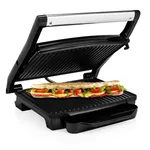
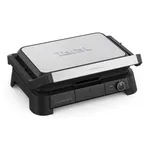
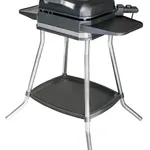
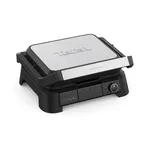
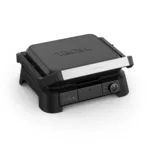
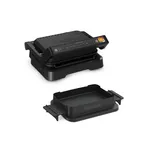
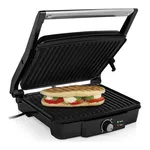
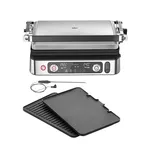
Indoor and compact outdoor solutions also play a crucial role. Contact Grills are highly efficient, cooking food from both sides simultaneously, significantly reducing cooking times and often designed with integrated grease drainage for healthier results. For social dining experiences, Tabletop & Raclette Grills offer interactive cooking where guests can prepare individual portions of meat, vegetables, and cheese directly at the table. Lastly, where space or regulations limit traditional flame-based options, Electric Barbecues provide a convenient and often smokeless alternative, bringing the joy of grilling to balconies, patios, and even indoors with appropriate ventilation. These units focus on powerful heating elements and even heat distribution to mimic traditional grilling.
Each type of grill and barbecue equipment serves a distinct purpose, offering unique advantages in terms of flavor, convenience, and versatility. Understanding the operational principles and maintenance requirements for each category ensures a satisfying and efficient cooking experience.