

Exploring the Diverse Landscape of Lighting Technologies
Introduction to Advanced Illumination
The field of lighting has undergone a transformative evolution, moving beyond mere illumination to become an integral component of design, energy management, and smart infrastructure. Modern lighting solutions are designed not only to provide visibility but also to enhance productivity, create specific moods, ensure safety, and contribute to overall sustainability goals. Navigating this complex landscape requires a comprehensive understanding of various light sources, fixture designs, and control systems.
Core Components: Lamp and Light Technologies
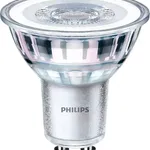
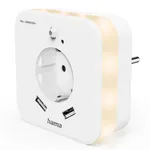
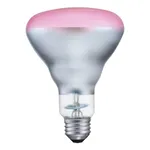
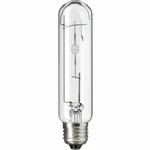
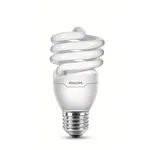
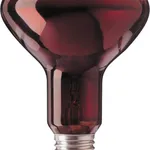
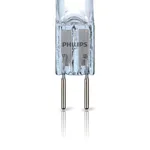
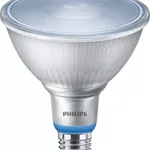
At the heart of any lighting system are the fundamental components of the Lamp and Light itself. Contemporary choices range from highly efficient LED (Light Emitting Diode) modules, which offer exceptional longevity and energy savings, to traditional incandescent, fluorescent, and high-intensity discharge (HID) lamps, each with distinct spectral qualities and applications. LEDs, in particular, have revolutionized the industry, allowing for unprecedented design flexibility, precise light control, and integration into intelligent systems. Understanding their luminous efficacy, lumen maintenance, and thermal management is crucial for long-term performance.
Enhancing Aesthetics with Decorative Lighting
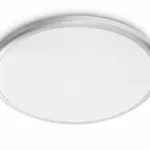
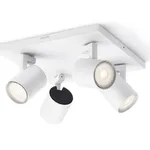
Beyond functional illumination, Decorative Lighting plays a pivotal role in interior and exterior design, contributing significantly to ambiance and aesthetic appeal. This category encompasses a vast array of fixtures, including chandeliers, pendant lights, wall sconces, and accent lighting, designed to complement architectural styles and personal tastes. Key considerations here include light distribution patterns, material finishes, and how the fixture itself acts as an artistic element, often employing specialized optics to create desired visual effects.
Specialized Applications: Light Boards
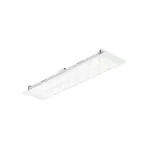
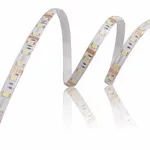
For more specific technical and display-oriented requirements, the use of Light Board technologies is critical. These typically involve backlighting solutions for signage, displays, or integrated panels where uniform and controlled illumination across a surface is essential. Modern Light Boards often leverage advanced LED matrices or edge-lit panels with light guide plates to achieve slim profiles, high brightness, and excellent uniformity, crucial for applications ranging from advertising displays to medical imaging backlights.
Durability and Performance: Outdoor Light and Projector Systems
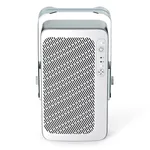
When it comes to illuminating exteriors, security, or large-scale visual projections, the demands on Outdoor Light and Projector systems are uniquely challenging. These fixtures must withstand harsh environmental conditions, including extreme temperatures, moisture, and UV exposure, necessitating high ingress protection (IP) ratings and robust material construction. Furthermore, factors like beam angle control, photometric distribution, glare management, and pole design become critical for effective and safe exterior illumination of pathways, facades, sports fields, and architectural landmarks. Projectors, in particular, require precise optical engineering to deliver clear, bright images over significant distances, often with advanced control features for dynamic content.
The Future of Lighting: Integration and Intelligence
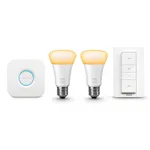
The progression of lighting technology continues with increasing integration of smart controls, IoT capabilities, and advanced sensor technologies. This allows for dynamic lighting scenes, daylight harvesting, occupancy sensing, and personalized control, further optimizing energy consumption and user experience. As the industry moves towards connected lighting infrastructures, the interdisciplinary nature of electrical engineering, data science, and architectural design becomes increasingly apparent.