

Deep Dive into Door Closer Mechanics, Features, and Compliance
Understanding Door Closer Mechanics and Types
At its core, a door closer operates on hydraulic principles, using spring tension to initiate closure and hydraulic fluid to control the speed and force. The internal mechanism typically involves a spring, a piston, and a series of valves. When the door opens, the spring is compressed, storing potential energy. As the door is released, the spring expands, driving the piston through the hydraulic fluid. The resistance of the fluid, regulated by adjustable valves, dictates the closing speed, ensuring a controlled and measured return to the frame. This sophisticated interaction prevents slamming, reduces wear on door hardware, and enhances safety.
Primary Door Closer Types
Surface-mounted closers are the most common, installed on the door or frame face. They come in several configurations: regular arm (standard mount), parallel arm (push side mounting for aesthetics), and top jamb (mounted on the frame header, pull side). Concealed closers, such as overhead concealed or floor springs, offer superior aesthetics by being hidden within the door, frame, or floor. Floor springs are particularly robust, often used for heavy-duty applications or where minimal visual intrusion is desired, integrating seamlessly into the flooring and providing precise control for very large or heavy doors. Each type presents unique installation challenges and aesthetic considerations, influencing overall door functionality and architectural design.
Key Technical Specifications and Adjustments
Selecting the correct door closer hinges on understanding its technical specifications. The closing force, often indicated by EN size (e.g., EN 1-7), corresponds directly to the door's weight and width; higher numbers denote greater closing force. EN 1154 specifies performance requirements for controlled door closing devices. Beyond force, adjustability is critical. Sweep speed controls the main closing phase, while latching speed regulates the final few degrees of closure, ensuring the latch bolt fully engages without excessive force. Backcheck provides hydraulic resistance when the door is opened too vigorously, protecting the door and frame from impact damage. Delayed action holds the door open for an extended period before the sweep phase begins, facilitating passage for disabled individuals or those moving equipment. These adjustments are typically made via screw valves on the closer body, requiring precision to achieve optimal performance and compliance.
Advanced Features and Compliance
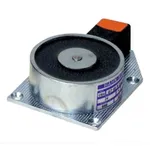
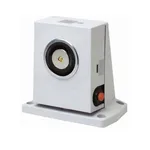
Modern door closers incorporate advanced features for enhanced functionality. Hold-open functions, available mechanically or electromagnetically, allow the door to remain open at specific angles. Electromagnetic hold-open devices are crucial for fire safety, integrating with fire alarm systems to automatically release the door and allow it to close upon alarm activation, compartmentalizing fire and smoke. Fire-rated closers must carry appropriate certifications (e.g., UL listed, CE marked to EN 1154/EN 1634) to ensure they maintain integrity during a fire event. Furthermore, adherence to accessibility standards, such as the Americans with Disabilities Act (ADA), is paramount. ADA compliance dictates maximum opening force requirements and minimum closing times to ensure ease of access for all users, particularly in public and commercial buildings. Proper specification ensures not only functionality but also legal compliance and user safety.