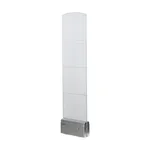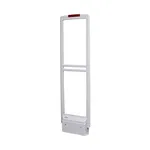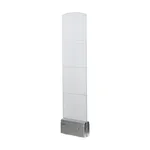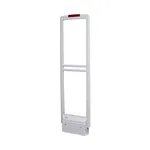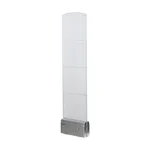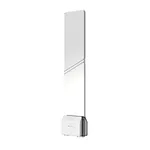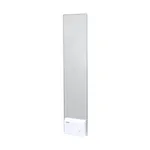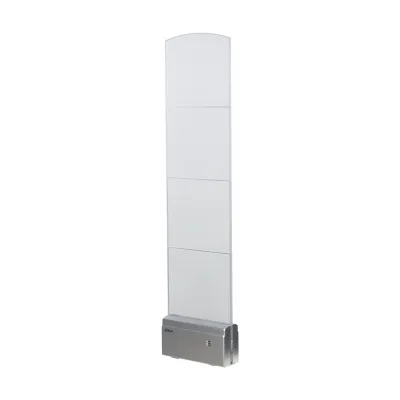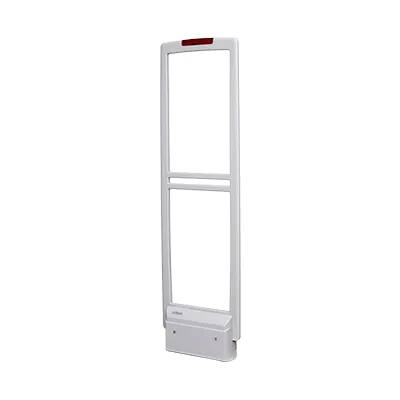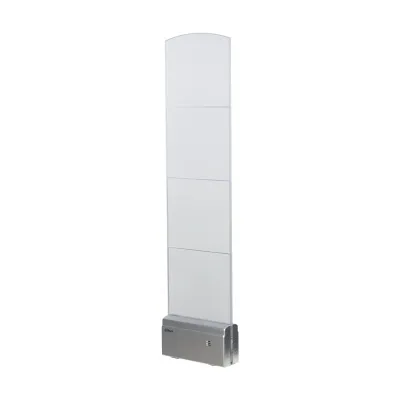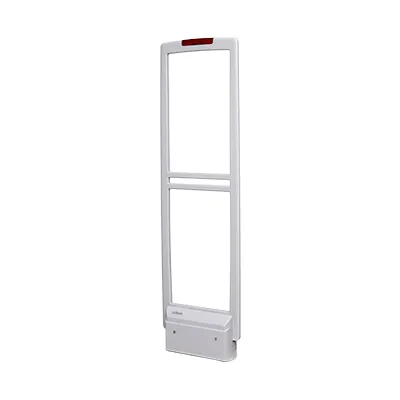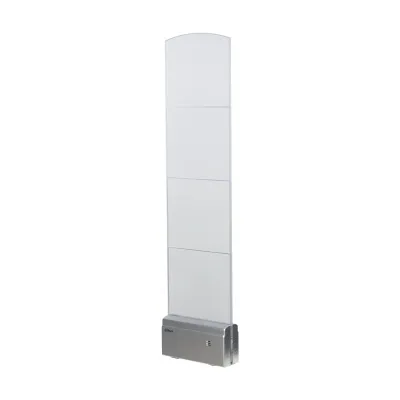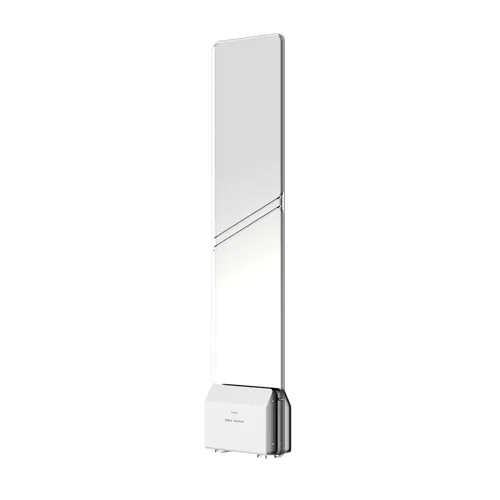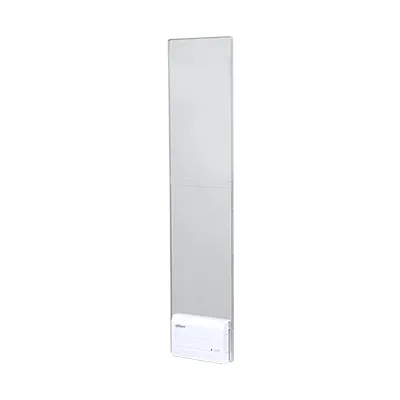


Dahua Technology ISC-EAA8000-P EAS Anti-theft System Component
Dahua Technology ISC-EAA8000-P EAS Anti-theft System Component
No stores registered at this time
Contact Us
Specifications
Features
Features
| Product type |
AM antenna
|
|---|---|
| Product colour |
Silver
|
| Housing material |
Acrylic, Acrylonitrile butadiene styrene (ABS)
|
| Detect distance |
1.4
m
23% better than others
|
| Alarm decibels |
90 dB
|
Power
Power
| Power source type |
AC
|
|---|---|
| AC voltage |
220 - 240 V
|
| AC adapter input current |
3
A
26% better than others
|
Weight & dimensions
Weight & dimensions
| Width |
350
mm
35% better than others
|
|---|---|
| Depth |
20
mm
53% better than others
|
| Height |
1550
mm
83% better than others
|
| Weight |
18
kg
84% better than others
|
Packaging data
Packaging data
| Package width |
488
mm
20% better than others
|
|---|---|
| Package depth |
145
mm
82% better than others
|
| Package height |
1640
mm
36% better than others
|
| Package weight |
22
kg
36% better than others
|
Technical details
Technical details
| Compliance certificates |
CE, Federal Communications Commission (FCC), REACH, RoHS
|
|---|
Disclaimer: Information on this page may need review. If you notice any discrepancies, please report them

The Dahua Technology ISC-EAA8000-P represents a critical component within the Electronic Article Surveillance (EAS) ecosystem, designed to deter theft and enhance inventory security for retailers. As a standalone unit, its primary function is to facilitate the detection of security tags that pass through its designated detection field. This makes it an integral part of a larger system, working in conjunction with EAS tags and potentially an alarm unit to alert security personnel or staff to unauthorized removal of protected merchandise. Its integration into existing retail security frameworks is a key consideration for businesses looking to upgrade or implement robust anti-theft measures.
In the competitive landscape of retail security solutions, the Dahua ISC-EAA8000-P aims to provide reliable performance and ease of integration. While specific performance metrics such as detection range or tag compatibility are not detailed in the provided specifications, the product's positioning suggests it is engineered for professional deployment in environments ranging from small boutiques to larger retail stores. Understanding its role as a detector is paramount; it is the 'eyes' of the EAS system, identifying the presence of a tag, but the overall effectiveness hinges on the complete system architecture and the specific type of EAS technology employed (e.g., RF or AM). Businesses evaluating this component should consider its compatibility with their chosen tagging method and the overall system's alerting capabilities.
Pros & Cons
Pros
What we love about this product
- Core EAS Functionality: Designed specifically for detecting EAS security tags, forming a fundamental part of an anti-theft system.
- Brand Reputation: From Dahua Technology, a recognized name in security solutions, suggesting a level of manufacturing quality and support.
- System Component: Integrates into a broader EAS setup, offering flexibility for businesses to build or expand their security infrastructure.
Cons
Points to consider before buying
- Limited Standalone Information: Specifications are minimal, focusing on its role as a component rather than detailing performance metrics like detection range or specific tag compatibility.
- Requires Complete System: Functionality is entirely dependent on pairing with compatible EAS tags and an alarm/notification mechanism.