






Comprehensive Guide to Medical Cleaning & Sterilization Technologies
Foundational Principles of Medical Reprocessing
The continuum of medical instrument reprocessing begins with thorough cleaning, followed by disinfection or sterilization. Cleaning removes organic material and biofilms, which can shield microorganisms from subsequent sterilization processes. Sterilization, the highest level of microbial inactivation, ensures the complete destruction or removal of all forms of microbial life, including highly resistant bacterial spores. Understanding the nuances of various sterilization methodologies is critical for optimal infection control and operational efficiency.
The Role of Cleaning in Sterilization Prep
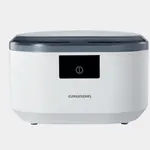
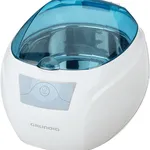
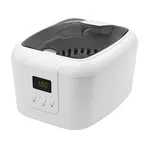
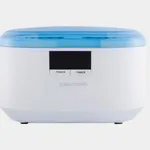
Prior to any sterilization process, instruments must be meticulously cleaned. One highly effective method employs physical and chemical action to dislodge contaminants. Ultrasonic Cleaning Equipment utilizes high-frequency sound waves to create microscopic bubbles that implode, a process known as cavitation, effectively dislodging debris from intricate instrument surfaces and lumens. This pre-sterilization step is indispensable for ensuring the efficacy of the subsequent sterilization phase, as sterilization agents cannot penetrate organic soil.
Advanced Sterilization Technologies and Their Applications
Once cleaned, instruments proceed to sterilization. The choice of sterilization method depends heavily on the heat and moisture sensitivity of the instruments.
Heat and Moisture-Based Sterilization
The gold standard for heat-stable, moisture-tolerant instruments remains high-temperature steam. Autoclaves & Steam Sterilizers operate by exposing items to saturated steam under pressure for a specified duration, coagulating and denaturing microbial proteins. Modern autoclaves come in various configurations, including gravity displacement, pre-vacuum, and steam-flush pressure-pulse, catering to different instrument types and throughput needs. Proper loading and monitoring are crucial for achieving sterility assurance levels.
Chemical and Gaseous Sterilization
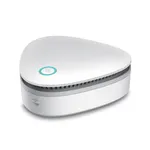
For heat-sensitive or moisture-sensitive instruments, low-temperature sterilization methods are employed. While not always directly listed as a primary subcategory, some gaseous options utilize chemical reactions to achieve sterility. Another evolving technology involves gaseous agents that demonstrate broad-spectrum microbicidal activity. Ozone Sterilizers utilize ozone gas (O3) to denature proteins and lipids within microorganisms, effectively inactivating them. Ozone sterilization offers a residue-free process with a relatively short cycle time, making it suitable for certain heat-sensitive medical devices.
Light-Based Sterilization and Disinfection
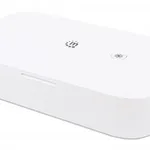
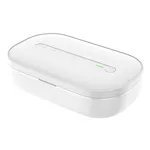
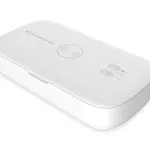
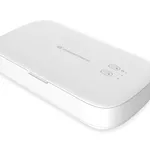
Beyond traditional methods, light-based technologies offer versatile solutions. Ultraviolet Sterilizers, specifically those emitting UV-C germicidal radiation, are commonly used for surface disinfection, air purification, and sterilizing smaller, non-porous items by damaging the DNA/RNA of microorganisms, preventing replication. While highly effective for surface applications, their penetrating power is limited, making them unsuitable for complex internal instrument structures but excellent for clean room environments or laboratory workstations.
Maintaining Sterility Post-Processing
After sterilization, maintaining the sterile state of instruments until their point of use is critical. This is where Sterilization Cabinets play a vital role. These cabinets, often equipped with filtered air and sometimes UV-C light, provide a controlled, dust-free, and sometimes actively disinfected environment for storing sterile instruments and supplies. They protect packaged sterile items from environmental contaminants, ensuring their sterility is preserved for extended periods, thereby completing the robust infection control chain within healthcare facilities.