

Advanced Engineering and Application Specifics of Soap Dispensing Systems
Advanced Engineering and Application Specifics of Soap Dispensing Systems
Dispensing Mechanisms and Their Technical Nuances
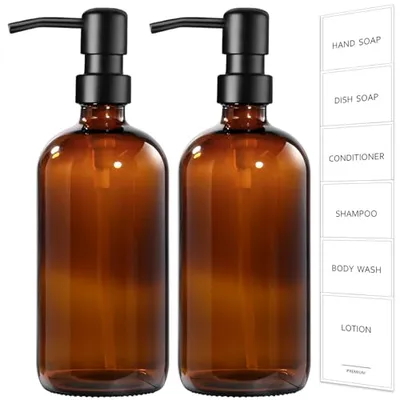
The core functionality of a soap dispenser lies within its dispensing mechanism. Manual pump dispensers typically employ a spring-loaded piston and valve system that draws liquid from the reservoir upon actuation. Key technical aspects include the material of the piston (often high-grade plastics or stainless steel for durability), the integrity of the O-rings or seals (e.g., EPDM or silicone for chemical resistance), and the consistency of the dispensed volume per stroke. Over time, these systems can experience wear, leading to leakage or reduced output, often due to seal degradation or spring fatigue. Automatic, touchless dispensers, however, represent a significant leap in hygiene. These devices typically integrate an infrared (IR) proximity sensor that detects hand movement. Upon detection, a small DC motor activates a peristaltic or gear pump, which precisely dispenses a predetermined amount of soap. Calibration of the sensor's range and the pump's timing is crucial for optimal performance, balancing rapid response with economical soap usage. Powering these units often involves multiple AA or C batteries, with advancements in power efficiency extending battery life to several months or even a year under typical use. Foam dispensers introduce an additional layer of complexity by incorporating an air infusion chamber. As the soap is pumped, it passes through a specialized mesh or screen while air is simultaneously drawn in, creating a rich, ready-to-use foam. This mechanism not only enhances the user experience but also significantly reduces soap consumption, offering a cost-effective solution.
Material Science and Structural Integrity
The choice of material profoundly impacts a soap dispenser's longevity, hygiene, and aesthetic appeal. Stainless steel, particularly grades 304 and 316, is highly favored in commercial and high-traffic environments due to its exceptional corrosion resistance, mechanical strength, and ease of sanitation. Type 316 offers superior resistance to chlorides, making it ideal for environments exposed to harsh cleaning agents or saltwater. ABS plastic, a common alternative, provides a cost-effective solution with good impact resistance and design versatility, though its chemical resistance to certain solvents can be limited. Internal components, such as tubes, seals, and nozzles, require careful material selection, often utilizing food-grade silicone or specialized elastomers to ensure compatibility with a wide range of soap chemistries, preventing material degradation or contamination. Proper sealing is paramount to prevent leaks and maintain a sanitary environment around the dispenser.
Installation, Maintenance, and Application-Specific Deployments
Installation methods vary widely. Wall-mounted units require secure fastening to structural supports, often involving drilling and robust anchoring systems, particularly for larger capacity or heavily used dispensers. Counter-mounted dispensers necessitate precise drilling through countertops and often feature a larger soap reservoir discreetly placed beneath the counter for convenience. Refill systems can be top-fill, where soap is poured directly into an accessible opening, or bottom-fill, which typically involves removing the dispenser head or accessing a reservoir from underneath. For bulk dispensing, centralized pump systems feeding multiple outlets from a single large container are employed in very high-traffic settings. Routine maintenance is critical for extending operational life and preventing issues such as nozzle clogging, pump failure, or bacterial growth within the reservoir. This involves periodic cleaning of the exterior, flushing the internal pump mechanism, and ensuring the correct type of soap is used to prevent compatibility issues. For automatic units, timely battery replacement and sensor calibration are essential. In healthcare and food service sectors, dispensers must meet stringent hygiene standards, often necessitating touchless operation, antimicrobial materials, and designs that facilitate complete sanitation protocols to prevent cross-contamination and ensure regulatory compliance.