

Navigating the Landscape of Non-Electric Tools
The Indispensable Role of Non-Electric Tools
In any professional workshop or serious DIY setup, non-electric tools are not merely alternatives to their powered counterparts but often the preferred choice for precision, control, and situations where power access is limited or impractical. Their inherent simplicity translates to robust durability and minimal maintenance, making them reliable workhorses for a vast array of tasks. From intricate woodworking to demanding metal fabrication, the efficacy of these tools stems from their fundamental mechanical design, amplifying human effort and enabling precise manipulation of materials.
Understanding Core Non-Electric Tool Categories
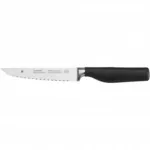
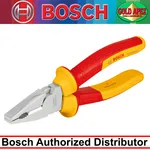
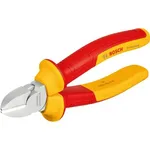
The universe of non-electric tools is expansive, categorized to help users select the right instruments for their specific needs. A primary and perhaps the most recognized category is Hand Tools. This encompasses a wide array of implements designed for direct human interaction, such as wrenches, screwdrivers, hammers, chisels, pliers, and various cutting tools. These are fundamental for assembly, disassembly, shaping, and fastening tasks, providing unparalleled tactile feedback and control.
Beyond the core instruments, continuous operation often necessitates Consumables tools. While not tools in the traditional sense, this category includes items like saw blades, abrasive papers, drill bits (for manual drills), glues, fasteners (nails, screws), and cutting fluids that are depleted or replaced during a project. Their selection is crucial for achieving desired results and ensuring the efficiency and longevity of the primary tools they complement.
Effective organization is paramount for productivity and safety, leading to the dedicated category of Tool Organizers. This includes toolboxes, chests, carts, wall-mounted systems, and pouches designed to store, protect, and transport non-electric tools efficiently. Proper organization prevents loss, damage, and makes tools readily accessible, significantly streamlining workflow and reducing project time. The right organizer extends the life of tools by protecting them from environmental factors and impacts.
Finally, for more extensive operations or dedicated work environments, Workshop Equipment without electrical reliance forms another critical segment. This can include items like manual presses, vises, workbenches, sawhorses, and various jigs or fixtures that provide stability, support, and mechanical advantage for larger tasks. These pieces of equipment create the necessary infrastructure for effective manual work, enhancing safety and precision across a broad spectrum of applications.
Optimizing Performance and Longevity
Maximizing the utility and lifespan of non-electric tools hinges on several factors, including proper usage, regular maintenance, and appropriate storage. Using the correct tool for the job is fundamental; forcing an inappropriate tool not only risks damaging the tool or workpiece but also poses safety hazards. Regular cleaning to remove debris, rust prevention through oiling or specific coatings, and keeping cutting edges sharp are all essential maintenance practices. For example, maintaining sharp chisels and plane irons not only makes woodworking easier but also safer and more precise.
Investing in quality non-electric tools initially often pays dividends in terms of durability, performance, and user satisfaction. High-grade materials, superior manufacturing processes, and ergonomic designs contribute to tools that withstand the rigors of frequent use and provide a more comfortable and efficient experience. Understanding the nuances within each subcategory, from the specific grind of a chisel to the load rating of a workbench, empowers users to make informed decisions that enhance their craft.