


Deep Dive into Rotary Tool Polishing Systems and Techniques
Understanding the Fundamentals of Rotary Polishing
The efficacy of rotary tool polishing stems from the controlled application of abrasive media against a workpiece surface at high rotational speeds. This process generates localized friction, which, when coupled with the cutting action of abrasive particles (either bonded to a wheel or suspended in a compound), systematically removes microscopic layers of material. The goal is to progressively reduce the scratch profile until a desired level of smoothness and reflectivity is achieved. Critical parameters include the tool's RPM, the pressure applied, the abrasive's hardness and shape, and the interaction between the polishing medium and the substrate.
Selecting the Optimal Abrasive Media
Abrasive selection is paramount in any polishing regimen. For initial material removal or aggressive scratch repair, coarser grits, typically ranging from 80 to 400, are employed. These are often found in sanding bands, flap wheels, or impregnated abrasive points. As the process advances, finer grits, from 600 up to 12,000 and beyond, become necessary. Common abrasive materials include aluminum oxide, effective on ferrous metals; silicon carbide, suitable for non-ferrous metals and ceramics; and diamond abrasives, favored for hard materials like tungsten carbide, glass, and hardened steels. Cerium oxide is particularly effective for glass and certain plastics, providing a chemical-mechanical polishing action.
Polishing Compounds and Buffing Materials
Polishing compounds are essentially finely dispersed abrasive particles suspended in a wax, oil, or grease carrier. They are categorized by their aggressiveness: 'cutting' compounds feature larger, more aggressive abrasives for initial scratch removal; 'polishing' compounds utilize finer abrasives for refining surfaces; and 'finishing' or 'jeweler's rouge' compounds contain ultra-fine particles for achieving mirror-like finishes. The choice of compound must align with both the material being polished and the desired final surface quality.
The Role of Buffing Pads and Wheels
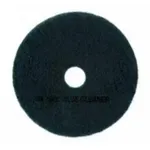
The interface between the rotary tool and the compound is the buffing pad or wheel. These come in various materials, each offering distinct characteristics. Felt bobs and wheels are dense and firm, ideal for aggressive cutting and polishing with compounds, maintaining their shape under pressure. Cotton buffs, often looser woven, are excellent for applying finer compounds and achieving high-luster finishes due to their softness and ability to conform to irregular surfaces. Foam polishing pads, typically open-cell, are used with liquid polishes and can range in aggressiveness. Wool buffs offer effective cutting action and can handle high temperatures.
Proper Technique and Safety Considerations
Effective rotary tool polishing requires a methodical approach. Always begin with a clean surface and the coarsest necessary abrasive to remove major imperfections, then progress systematically through finer grits. Apply consistent, moderate pressure and maintain a steady tool speed, typically starting lower for initial cuts and increasing for final polishing. Overlapping passes ensure even material removal. Regularly clean pads and buffs to prevent the embedding of debris, which can scratch the surface. Crucially, always wear appropriate personal protective equipment (PPE), including safety glasses, gloves, and respiratory protection, especially when airborne particles or chemical fumes from compounds are present. Ensure adequate ventilation in your workspace to dissipate dust and volatile organic compounds.