

In-Depth Exploration of Hot Melt Adhesion Science and Applicator Technology
Understanding Hot Melt Adhesive Chemistry and Performance
Hot melt adhesives (HMAs) are 100% solid, thermoplastic compounds that liquefy upon heating and create a bond as they cool and solidify. The most common base polymer is ethylene-vinyl acetate (EVA), selected for its excellent adhesion to various substrates, flexibility, and relatively low melting point. Beyond EVA, specialized formulations incorporate polymers like polyamides for high-temperature resistance, polyolefins for difficult-to-bond plastics, and polyesters for enhanced chemical resistance and flexibility. These base polymers are typically blended with tackifiers to improve initial grab, waxes to reduce viscosity and open time, and antioxidants to prevent thermal degradation during heating. The rheological properties of these molten polymers, specifically their viscosity and thixotropy, are critical for consistent extrusion, controlled flow, and optimal substrate wetting, all of which directly impact the ultimate bond strength and integrity. A higher viscosity hot melt is often preferred for gap filling or applications requiring robust initial hold, whereas lower viscosity formulations are ideal for thin film applications or intricate detail work.
Thermal Management and Dispensing System Mechanics
The efficiency and reliability of a hot glue gun or pen heavily depend on its thermal management system. Modern applicators frequently integrate Positive Temperature Coefficient (PTC) heating elements. These semi-conductive ceramic components offer rapid heat-up times and possess self-regulating properties that prevent thermal runaway, thereby enhancing safety and extending the life of the heating element and the adhesive itself. Precise thermal regulation is paramount; insufficient heat results in excessively viscous glue, leading to difficult extrusion, poor wetting, and weak bonds, while overheating can degrade the adhesive's polymeric structure, diminishing its tack and strength and potentially causing carbonization or nozzle blockages. The design of the heating chamber, including its volume and material composition, plays a significant role in thermal stability and recovery time, especially during continuous dispensing operations where heat loss can be substantial.
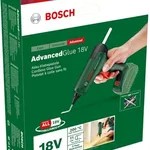
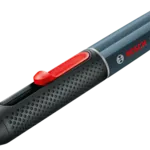
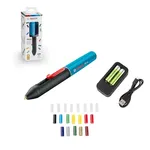
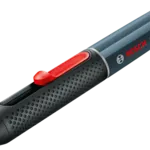
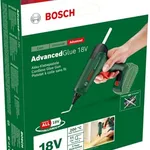
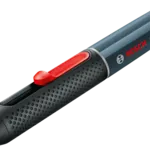
Adhesive dispensing is primarily governed by a mechanical trigger mechanism that systematically advances the solid glue stick into the heating chamber. The design of this feed system is critical, needing to reliably grip and push various glue stick diameters and compositions without slippage or jamming. Hot glue pens, specifically, are engineered for finer control, often featuring lighter, more responsive triggers and smaller heating chambers that facilitate precise bead application for detailed work. Nozzle design is equally crucial; tapered, elongated nozzles provide superior precision for intricate tasks and access into tight spaces, while broader or flat nozzles are better suited for covering larger surface areas. Safety features, such as insulated silicone shrouds around the nozzle and integrated drip-prevention mechanisms, are essential for user protection and preventing adhesive waste. Cordless applicators introduce the complexity of battery management, requiring efficient power delivery from lithium-ion cells to maintain operational temperatures for reasonable durations, balancing portability with sustained thermal performance.