

Deep Dive into Power Wrench Technologies and Performance Metrics
Understanding Core Power Wrench Technologies
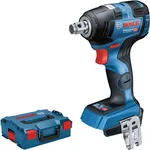
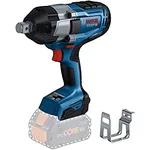
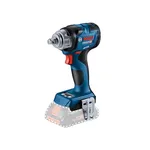
Power wrenches encompass a diverse range of tools, each engineered for specific operational demands and performance profiles. At their core, these devices convert electrical or pneumatic energy into mechanical rotational force. The primary distinction often lies in their torque delivery mechanism and control capabilities. Impact wrenches, for instance, utilize a hammering mechanism that stores kinetic energy and delivers it in rapid, powerful bursts, making them exceptionally effective for quickly loosening rusted or overtightened fasteners and for high-volume assembly tasks where precision torque is less critical than speed and brute force. This impact action minimizes kickback to the user, enhancing safety and control, while maximizing efficiency in demanding applications.
Impact Wrenches: Force and Speed
Impact wrenches are characterized by their maximum torque output, typically measured in foot-pounds (ft-lbs) or Newton-meters (Nm), and their impacts per minute (IPM) or blows per minute (BPM). Higher IPM values generally correlate with faster fastening or loosening times. Key specifications include the motor's power (brushless motors offer greater efficiency and lifespan), battery voltage and amp-hour capacity for cordless models, and the drive size, which dictates compatibility with various sockets and fastener types. Understanding the interplay between these factors is crucial for selecting a tool that can consistently meet the demands of heavy-duty applications, from automotive repair to large-scale construction.
Precision Torque Wrenches: Control and Accuracy
Beyond brute force, advanced power wrenches offer meticulous torque control. Electronic torque wrenches, for example, employ sophisticated sensors and microprocessors to apply and measure torque with exceptional accuracy, often providing digital readouts and programmable settings. Some models feature angle-tightening capabilities, ensuring fasteners are tightened to a specific degree after reaching an initial torque, which is vital for critical assemblies in aerospace and high-performance automotive sectors. Hydraulic power wrenches, leveraging fluid pressure to generate immense torque, are primarily used for industrial applications involving extremely large fasteners, where manual or even large electric impact wrenches would be insufficient. These tools often integrate reaction arms to counteract rotational forces, ensuring stable and safe operation.
Pneumatic and Cordless Innovations
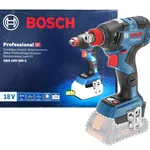
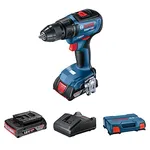
Pneumatic power wrenches remain a staple in many industrial settings due to their high power-to-weight ratio, continuous operation capabilities, and relative simplicity. They require a steady supply of compressed air, specified by cubic feet per minute (CFM) and pounds per square inch (PSI), which determines their sustained performance. Cordless power wrenches, powered by advanced lithium-ion battery technology, have rapidly advanced, offering comparable torque outputs to their corded counterparts while providing unparalleled portability. Battery voltage (e.g., 18V, 20V, 60V) and amp-hour (Ah) ratings directly influence power and runtime, making selection critical for remote work or areas without easy access to power outlets. The choice between these power sources depends heavily on the specific work environment, frequency of use, and the required power output for the tasks at hand.