

Deep Dive into Industrial Safety Switch Technologies and Application
Understanding Industrial Safety Switches
Industrial safety switches are foundational elements within any robust machine safety system, mandated by directives such as the Machinery Directive 2006/42/EC. Their primary role extends beyond simple on/off control; they are specifically designed to reliably detect the position of machine guards, emergency stop activations, or other hazardous conditions, initiating a safe state for personnel and equipment. These devices incorporate features like positive-opening contacts, ensuring that the contacts physically separate even if they are welded together, thereby preventing a false 'off' indication and maintaining a high level of safety integrity. The selection of a safety switch is not merely a component choice but a critical engineering decision that directly impacts the overall safety performance of a system.
Mechanical Safety Switches: Robust and Versatile
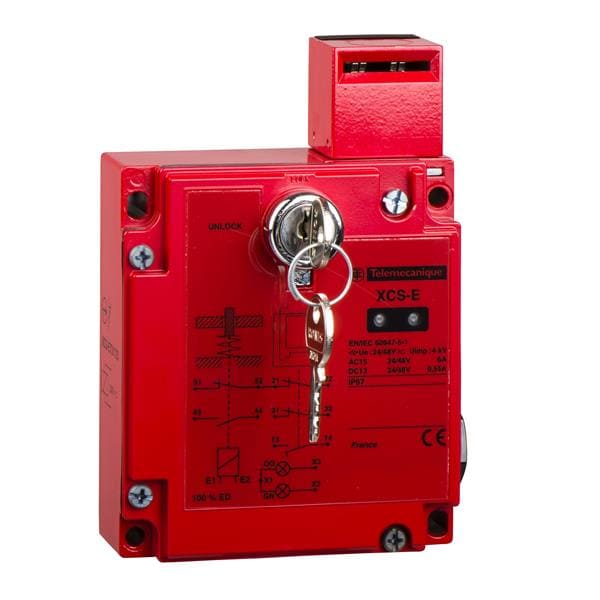
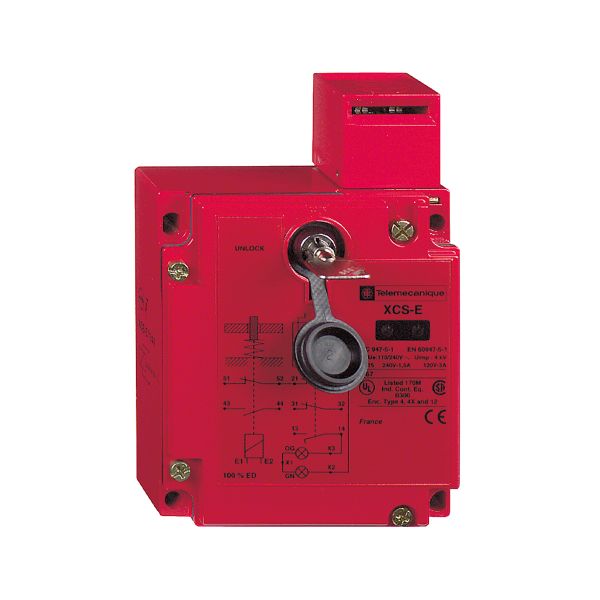
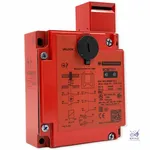
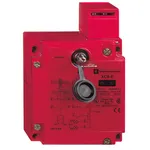
Mechanical safety switches operate on the principle of physical contact with a machine guard or moving part. Common types include tongue-actuated (key interlock) switches, hinge switches, and limit switches. Tongue-actuated switches, widely used for hinged or sliding guards, require a precisely fitted tongue to be inserted into the switch head to allow machine operation. Hinge switches detect the angular position of a guard, while limit switches are employed to monitor the position of machine elements. A key advantage of mechanical switches is their inherent robustness and simplicity. However, they can be susceptible to wear over time and, in some designs, may be defeatable through simple means if not properly integrated into the machine design, necessitating careful application and tamper-resistant installation.
Non-Contact Safety Switches: Precision and Durability
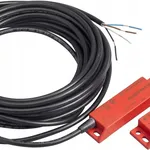
Non-contact safety switches overcome some limitations of their mechanical counterparts by eliminating physical wear and offering increased tolerance to misalignment and dirty environments. Magnetic safety switches utilize coded magnets to actuate reed contacts or Hall-effect sensors, making them suitable for applications where precise alignment is challenging or where hygiene is critical. RFID (Radio Frequency Identification) safety switches represent a more advanced non-contact technology. They employ coded RFID tags and readers, providing extremely high tamper resistance due to the unique coding and sophisticated communication protocols. This makes them ideal for applications requiring higher Performance Levels (PL) or Safety Integrity Levels (SIL), such as robotic cells or processing equipment in food and pharmaceutical industries where frequent washdowns occur, demanding IP69K ratings and corrosion-resistant materials like stainless steel.
Performance Levels and Safety Integrity Levels
The reliability and effectiveness of a safety switch are quantified by its Performance Level (PL) as per EN ISO 13849-1, or its Safety Integrity Level (SIL) as per IEC 61508/62061. These standards dictate the probability of dangerous failure per hour (PFHd) and the architectural constraints of the safety-related parts of the control system. A higher PL or SIL indicates a lower probability of dangerous failure and thus a more reliable safety function. Factors contributing to a switch's PL/SIL include its Category (B, 1, 2, 3, 4), Mean Time To Dangerous Failure (MTTFd), Diagnostic Coverage (DC), and Common Cause Failures (CCF). Modern safety switches often incorporate internal diagnostics to achieve higher DC values, enabling their use in applications requiring PL d or PL e.
Electrical Integration and Environmental Resilience
Integrating safety switches into a control system requires careful consideration of their electrical interface. Many switches provide multiple contact configurations (e.g., 2NC/1NO) to facilitate connection to safety relays, safety PLCs, or distributed I/O systems. Diagnostic outputs (often OSSD outputs for non-contact switches or auxiliary contacts for mechanical ones) provide valuable information about the switch status, aiding in troubleshooting and preventative maintenance. Furthermore, the operational environment dictates crucial physical specifications. Beyond basic IP ratings, factors such as operating temperature range, resistance to specific chemicals, vibration tolerance, and UV exposure must be assessed. The selection of housing materials, from robust thermoplastic to corrosion-resistant stainless steel, is paramount for ensuring long-term reliability and compliance in diverse industrial settings, from heavy manufacturing to cleanroom environments. Proper wiring, employing shielded cables where necessary, and secure mounting are essential for maintaining signal integrity and physical stability under operational stresses.