

A Comprehensive Technical Guide to Laminating Films and Pouches
Understanding Laminating Technology and Its Materials
Lamination is a process central to document preservation and enhancement, involving the application of a protective plastic film to a substrate. This process fundamentally transforms a fragile document into a robust, durable, and often more visually appealing item. The choice between hot and cold lamination processes dictates the type of film and adhesive employed. Hot lamination utilizes thermal films with heat-activated adhesives (typically EVA) that melt and bond under elevated temperatures, while cold lamination employs pressure-sensitive adhesives that bond through mechanical pressure, making it suitable for heat-sensitive materials.
Laminating Pouches: Precision and Convenience
Laminating pouches are pre-cut, pre-sealed sheets of laminating film, typically sealed on one edge, designed for individual document lamination. They offer convenience and consistent results, especially for standard-sized items like ID cards, photographs, menus, or small signage. The primary material for most thermal laminating pouches is PET (polyethylene terephthalate), valued for its high clarity, rigidity, and excellent heat resistance, allowing it to withstand the temperatures required for adhesive activation. The inner layer is almost invariably EVA (ethylene-vinyl acetate) copolymer, which provides superb adhesion to a wide range of paper and cardstock substrates. Pouches are commonly available in various thicknesses, such as 3 mil (75 micron), 5 mil (125 micron), 7 mil (175 micron), and 10 mil (250 micron) per side, directly correlating to the final rigidity and protective strength of the laminated item.
Laminating Rolls: Versatility and Volume
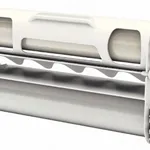
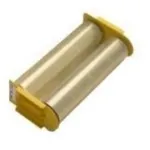
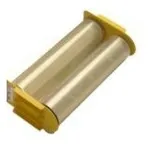
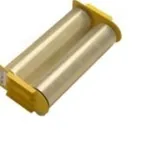
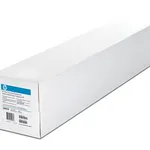
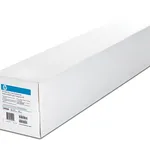
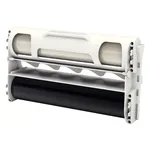
Laminating rolls, or laminating film rolls, are continuous sheets designed for high-volume lamination, large-format items, or specialized applications requiring precise custom cuts. These films are available in a broader array of base materials and adhesive types. PET remains a popular choice for thermal roll films due to its optical clarity and durability. However, PVC (polyvinyl chloride) is also widely used, particularly for pressure-sensitive films, offering greater flexibility and conformability, making it ideal for applications like vehicle wraps, outdoor signage, or surfaces with slight curves. Polypropylene (PP) films are characterized by their softer touch and often find use in book covers or luxury packaging. Adhesives for roll films include thermal EVA for hot laminators and various acrylic-based pressure-sensitive adhesives for cold laminators, each optimized for specific bonding requirements, temperature ranges, and environmental resistances, including UV inhibitors for outdoor longevity. Core sizes (e.g., 1-inch, 2.25-inch, 3-inch) and roll lengths are critical compatibility factors with laminating machinery.
Advanced Material Science and Application Considerations
Beyond basic material types, several technical properties influence film performance. The melting point and flow characteristics of the adhesive are critical for ensuring bubble-free lamination and strong bonds. Optical clarity, haze, and gloss levels are precisely controlled during manufacturing to meet specific visual requirements. For outdoor applications, UV resistance is paramount, achieved by incorporating UV stabilizers into the film's composition, which mitigate material degradation and color fading from prolonged sun exposure. Anti-glare or matte finishes are engineered by texturizing the film surface to diffuse reflected light, improving readability in brightly lit environments. Furthermore, specialized films may offer features such as antimicrobial properties, dry-erase surfaces, or specific textures. Selecting the appropriate film or pouch necessitates a meticulous understanding of the laminator's capabilities, the substrate's properties, and the intended end-use environment to ensure optimal protection and aesthetic quality.