

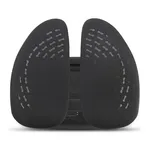
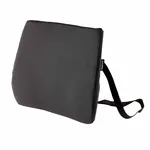
Deep Dive into Backrest Engineering and Ergonomics
Deep Dive into Backrest Engineering and Ergonomics
Understanding Ergonomic Principles in Backrest Design
The fundamental objective of backrest engineering is to support the human spine in its natural, neutral posture, thereby minimizing disc compression, muscle strain, and fatigue. Ergonomic backrests are meticulously designed to conform to the spine's natural curvature, typically providing robust lumbar support to maintain the lordotic curve of the lower back, and thoracic support to prevent slouching. This involves precise contouring, often derived from anthropometric data and biomechanical studies, to accommodate a wide range of body types. The ideal backrest promotes an open hip angle, reducing pressure on the spinal discs and facilitating better circulation. Dynamic backrests, which allow for subtle movement and recline, further enhance ergonomic benefits by encouraging postural shifts, preventing static loading, and promoting blood flow.
Material Science and Construction
The selection of materials is paramount to a backrest's performance and longevity. High-density, cold-cured foam is frequently employed for its superior shape retention and support characteristics, often paired with breathable fabrics or genuine leather for upholstery. Mesh backrests, typically constructed from elasticized polymers like nylon or polyester, offer excellent ventilation, conforming flexibly to the user's back while dissipating heat. The frame itself is a critical structural element, often fabricated from robust materials such as steel, aluminum alloy, or reinforced engineered polymers, providing the necessary rigidity and durability to withstand repeated use and significant load-bearing. Internal support structures, such as springs or webbing, further enhance the backrest's ability to distribute pressure evenly and absorb impact.
Advanced Adjustment Mechanisms
Modern backrests feature sophisticated adjustment mechanisms designed to provide personalized comfort and support. Key adjustments include backrest height, allowing users to position lumbar support precisely where needed; recline tension, which dictates the force required to recline; and recline angle, often featuring multi-lock positions for fixed postures or a free-float option for dynamic movement. Independent lumbar support adjustments, sometimes pneumatic or depth-adjustable, allow users to fine-tune the intensity and position of lower back support. Some advanced models integrate kinetic mechanisms that respond to user movements, providing continuous support across various postures. The precise engineering of these mechanisms ensures smooth operation, secure locking, and long-term reliability, directly contributing to the user's ability to maintain an optimal ergonomic posture throughout the day.
Types and Applications
Backrests are specialized for a diverse range of applications. Office chair backrests prioritize adjustability and ergonomic contours for prolonged static sitting. Automotive backrests integrate safety features like whiplash protection and often include heating, cooling, and massage functions for enhanced comfort during travel. Medical and therapeutic backrests are engineered for specific postural corrections or pressure relief, frequently found in wheelchairs or specialized rehabilitation equipment, utilizing memory foam or air-cell technology. Industrial backrests for heavy machinery are designed for extreme durability and vibration dampening. Understanding the specific functional requirements of each application guides the design and material choices, ensuring optimal performance and user well-being.