

Deep Dive into Ergonomic Principles and Advanced Materials of Chair Back Supports
Understanding the Biomechanics of Spinal Support
Effective chair back supports are engineered to maintain the natural lordotic curve of the lumbar spine, which is crucial for distributing compressive loads evenly across intervertebral discs and minimizing strain on posterior spinal ligaments and musculature. Prolonged sitting without adequate lumbar support often leads to posterior pelvic tilt and a flattened or kyphotic lumbar spine, significantly increasing intradiscal pressure and accelerating disc degeneration. A well-designed back support gently pushes the lumbar region forward, re-establishing the natural S-curve of the spine. This ergonomic intervention reduces muscle fatigue, prevents slouching, and mitigates the common complaints of lower back pain associated with sedentary occupations. The precise contouring helps to offload pressure from sensitive areas, promoting healthier blood flow and reducing nerve impingement.
Advanced Material Science in Back Support Design
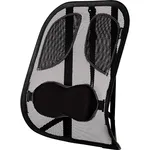
The efficacy and comfort of chair back supports are heavily dependent on their material composition. Memory foam, a viscoelastic polyurethane foam, is a popular choice due to its ability to conform to the user's unique spinal contours under body heat and pressure, providing customized support and excellent pressure distribution. High-resilience (HR) foam, often used for its superior durability and immediate rebound properties, offers firm yet adaptable support without bottoming out over time. Mesh materials, particularly 3D air mesh or elastic tension mesh, prioritize breathability, crucial for thermal regulation during extended use, preventing sweat buildup and maintaining a comfortable microclimate. Gel inserts are sometimes incorporated for their exceptional pressure-relieving capabilities and cooling properties, distributing weight over a larger surface area to reduce hot spots. The outer fabric typically comprises breathable, durable, and often washable materials like polyester blends, ensuring hygiene and longevity.
Variations in Design and Adjustability Features
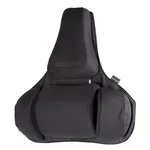
Chair back supports come in various configurations, each designed to address specific user needs and chair types. Lumbar-only supports primarily target the lower back, offering concentrated assistance to the lordotic curve. Full-back supports extend higher, encompassing the thoracic region, beneficial for individuals requiring more comprehensive spinal alignment. Key technical features often include adjustable strapping systems, such as elastic bands with buckles or non-slip silicone strips, ensuring secure attachment to various chair backs and preventing slippage during movement. Many advanced models incorporate height and depth adjustability mechanisms, allowing users to precisely position the support to align with their unique spinal anatomy. Some designs feature side wings or lateral support elements to cradle the torso, enhancing postural stability and preventing lateral flexion. The internal frame, often constructed from high-grade ABS plastic or steel wire, provides structural integrity and maintains the support's ergonomic shape over prolonged periods, ensuring consistent performance.
The integration of these design principles and material technologies culminates in a product that not only offers comfort but actively promotes long-term spinal health. Proper selection involves assessing not just the chair, but the individual's anthropometric data, typical sitting posture, and any pre-existing musculoskeletal conditions to ensure the chosen support delivers optimal therapeutic benefits and ergonomic alignment.