

Deep Dive: Maximizing Thermal System Versatility and Reliability
The ecosystem of thermal imaging camera parts and accessories is vast and critically impacts the overall functionality, precision, and longevity of the core imager. Understanding the technical nuances of these components allows for strategic system enhancements, tailored to specific operational demands and environmental challenges. Every accessory, from a simple carrying case to an advanced radiometric analysis software suite, plays a role in defining the system's operational envelope.
Advanced Optical Systems: Lenses and Filters
Thermal camera lenses are perhaps the most influential accessory for image quality and application-specific performance. Unlike visible light optics, thermal lenses primarily utilize materials transparent to infrared radiation, such as Germanium, Zinc Selenide, or Chalcogenide glass, each offering distinct transmission characteristics and refractive indices across the long-wave infrared (LWIR), mid-wave infrared (MWIR), or short-wave infrared (SWIR) spectra. Fixed focal length lenses provide consistent field of view, ideal for repetitive tasks, while interchangeable lenses offer adaptability for varying target distances and object sizes. Zoom lenses, though more complex and often costlier due to mechanical and optical intricacies, provide unparalleled flexibility in dynamic environments. Aperture, expressed as the F-number, directly affects the amount of infrared energy reaching the detector, influencing sensitivity and low-contrast imaging capabilities. Complementary IR filters can be employed to block specific wavelengths, mitigating atmospheric interference or isolating thermal signatures from particular materials.
Robust Power Management Solutions
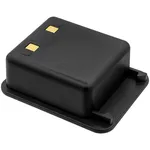
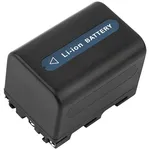
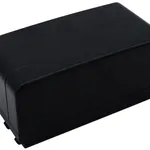
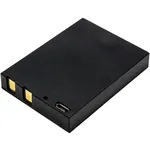
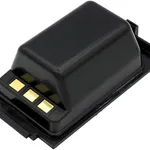
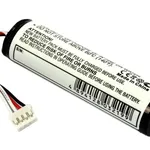
Consistent and reliable power is the lifeblood of any portable thermal imaging system. Modern accessories include high-capacity Lithium-ion battery packs, often featuring integrated charge controllers and intelligent fuel gauges for accurate remaining power indication. For extended operations, external power options such as DC vehicle adapters, uninterruptible power supplies (UPS), or even solar charging kits become indispensable. Hot-swappable battery designs minimize downtime by allowing battery replacement without shutting down the camera. Furthermore, power management accessories often incorporate over-voltage, over-current, and thermal protection circuits, safeguarding both the battery and the camera from potential damage under demanding field conditions.
Integrated Mounting and Environmental Protection
Mounting solutions extend the utility of thermal cameras beyond handheld operation, enabling their integration into complex systems. Precision-engineered brackets, gimbals, and pan-tilt units facilitate deployment on tripods, vehicles, drones, or robotic platforms. These accessories must be designed to withstand operational vibrations, shock loads, and varying environmental conditions. Protective enclosures, often rated with specific IP codes (e.g., IP67 for dust and water immersion), provide robust shielding against dust, moisture, and impact, ensuring the camera's longevity in harsh industrial or outdoor environments. Specialized thermal camera housings may also incorporate active heating or cooling elements to maintain optimal operating temperatures for the imager and optics in extreme ambient conditions.
Data Interface, Storage, and Software Integration
Effective data acquisition and analysis are paramount for leveraging thermal imaging insights. Accessories include high-speed SDXC cards for on-device storage of radiometric images and video sequences, ensuring sufficient capacity and write speeds for continuous recording. Connectivity accessories like USB-C docks, Ethernet adapters, or Wi-Fi/Bluetooth modules enable seamless data transfer to external storage or network devices. Furthermore, SDKs (Software Development Kits) and API (Application Programming Interface) connectors allow for integration with custom software platforms, facilitating remote control, real-time streaming, and automated data processing. Proprietary or third-party analysis software packages provide advanced tools for radiometric measurement, trend analysis, report generation, and thermographic data visualization, transforming raw thermal data into actionable intelligence.