

Deep Dive into Ultraviolet Sterilization Technology
Fundamentals of UV-C Germicidal Action
Ultraviolet sterilization operates on the principle of germicidal irradiation within the UV-C spectrum, specifically focusing on wavelengths between 100 and 280 nanometers. The peak germicidal effectiveness for most microorganisms occurs at approximately 253.7 nm, which directly corresponds to the absorption maxima of DNA and RNA molecules. When microorganisms are exposed to UV-C photons at this critical wavelength, the energy is absorbed by the nucleic acids within their cells. This absorption leads to the formation of molecular lesions, primarily pyrimidine dimers (thymine dimers are most common), which effectively disrupt the helical structure of the DNA or RNA.
This irreversible damage prevents the microorganisms from replicating, metabolizing, or carrying out essential cellular functions, thus rendering them inactive and incapable of causing infection or spoilage. Unlike chemical disinfectants, UV-C provides immediate inactivation without introducing residual chemicals, altering taste, odor, or pH, making it an environmentally friendly and increasingly preferred method for disinfection across various industries.
Critical Parameters for Efficacy
The effectiveness of a UV sterilization system is quantified by the UV dose, also known as fluence, which is the product of UV intensity (irradiance, measured in mW/cm²) and the exposure time (seconds), expressed in mJ/cm². Different pathogens exhibit varying degrees of susceptibility to UV-C light, requiring specific minimum doses for inactivation. For instance, while some bacteria might be inactivated at relatively low doses, certain viruses or protozoa like Cryptosporidium and Giardia demand higher doses. Achieving the correct UV dose is paramount and necessitates careful system design considering lamp output, reactor geometry, and flow dynamics.
Lamp type and output stability are crucial. Low-pressure mercury vapor lamps are common due to their high output at 253.7 nm. Amalgam lamps offer higher power densities and operate efficiently over a broader temperature range, making them suitable for higher flow applications. UV LEDs are an emerging technology offering compact size and instant on/off capabilities. All lamps degrade over time, leading to reduced UV output; therefore, monitoring lamp hours and UV intensity is essential for ensuring continuous efficacy. Water and air quality factors significantly impact UV penetration. In water, turbidity, suspended solids, and high concentrations of UV-absorbing substances (e.g., organic matter, iron) can shield microorganisms from UV-C light, necessitating pre-filtration or higher UV doses. Similarly, in air purification systems, particulate matter can reduce the effective UV dose.
System Design and Components
UV Reactor Chamber
The UV reactor chamber is typically constructed from high-grade materials such as 316L stainless steel to resist corrosion and maximize internal reflection of UV light. Its design is critical for ensuring uniform UV exposure throughout the fluid or air stream. Internal baffling and intelligent inlet/outlet configurations are engineered to create turbulent flow patterns and prevent short-circuiting, guaranteeing that all target microorganisms receive the minimum required UV dose as they pass through the chamber.
UV Lamps and Sleeves
UV lamps are housed within protective quartz sleeves. These sleeves serve multiple purposes: they shield the lamps from direct contact with the process fluid or air, maintain the optimal operating temperature for the UV lamps, and allow maximum transmission of UV-C light into the disinfection zone. Regular cleaning of quartz sleeves is vital, as fouling from mineral deposits or organic films can significantly reduce UV transmission and compromise the system's germicidal output.
Ballasts and Controls
Modern UV systems utilize electronic ballasts to efficiently power the UV lamps, ensuring stable output and extended lamp life. Advanced control systems often integrate UV intensity sensors, which provide real-time monitoring of the germicidal output. These sensors are critical for verifying performance and can trigger alarms or shut-downs if the UV dose falls below acceptable levels. Hour meters track lamp operational time, signaling when lamps are approaching their end of life and require replacement, ensuring proactive maintenance.
Applications and Safety
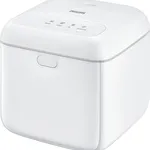
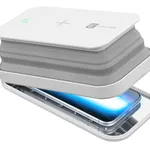
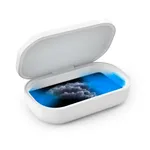
UV sterilizers are extensively used in diverse applications, including municipal drinking water treatment, wastewater effluent disinfection, HVAC systems for air quality improvement, and surface sanitization in laboratories, hospitals, and food processing facilities. The technology's versatility stems from its broad-spectrum efficacy and chemical-free operation.
Despite its benefits, direct exposure to UV-C radiation is hazardous to human health, causing severe eye damage (photokeratitis) and skin burns (erythema). Consequently, strict safety protocols are mandated for UV sterilization systems. This includes the use of opaque enclosures, safety interlocks that deactivate lamps upon access panel removal, and clear warning labels. Additionally, certain high-intensity UV lamps can produce ozone (O3) if they emit wavelengths below 200 nm (specifically 185 nm). While ozone itself is a powerful oxidant and disinfectant, it is also a respiratory irritant, requiring careful ventilation and monitoring in indoor environments.