Minor scratches and scuffs are an unfortunate but common reality for vehicle owners. These blemishes can detract from a car's aesthetic appeal and, if left untreated, could potentially lead to rust or more significant paint damage. Fortunately, a wide array of car scratch removers are available on the market, designed to tackle everything from light swirl marks to deeper imperfections. Understanding the different types of scratch removers and how to use them effectively is key to restoring your car's paint to its original glory.
The effectiveness of a scratch remover largely depends on the depth of the scratch and the type of product used. Generally, scratch removers fall into a few categories: polishes, compounds, and fillers. Polishes are typically the least abrasive and are best suited for very light scratches and swirl marks that haven't penetrated the clear coat. Compounds offer more abrasive power and can address moderate scratches that have reached the color coat. Fillers, on the other hand, often contain polymers that temporarily fill the scratch rather than abrade the surrounding paint. Many products combine these functions, offering a multi-step solution for various levels of paint damage.
Choosing the Right Scratch Remover for Your Needs
Selecting the appropriate scratch remover requires an assessment of the damage. For superficial scratches, often caused by improper washing techniques or environmental factors, a mild polishing compound or a scratch repair kit designed for light damage will suffice. These products typically contain fine abrasives that gently remove the clear coat around the scratch, leveling the surface.  It's crucial to follow the product instructions carefully, as over-polishing can lead to thinning of the clear coat. Some products also include sealants to protect the newly treated area.
For deeper scratches that have reached the color layer or even the primer, a more aggressive approach is needed. Rubbing compounds are formulated with coarser abrasives and are effective at removing more significant paint damage. However, these should be used with extreme caution. It is advisable to start with the least abrasive method possible and only escalate if necessary. For professionals or those undertaking significant paint correction, a multi-stage polishing system involving different grit compounds and polishes might be employed. In cases where the scratch is too deep to be removed by abrasion, touch-up paint pens or kits that match the vehicle's paint code can be used to fill the damaged area before sealing.
Application Techniques for Optimal Results
The application method significantly impacts the outcome when using car scratch removers. Most products can be applied by hand or with a machine polisher. For hand application, a soft foam or microfiber applicator pad is typically recommended. Apply a small amount of the product to the pad and work it into the scratched area using moderate pressure in a back-and-forth or circular motion, depending on the product's instructions. 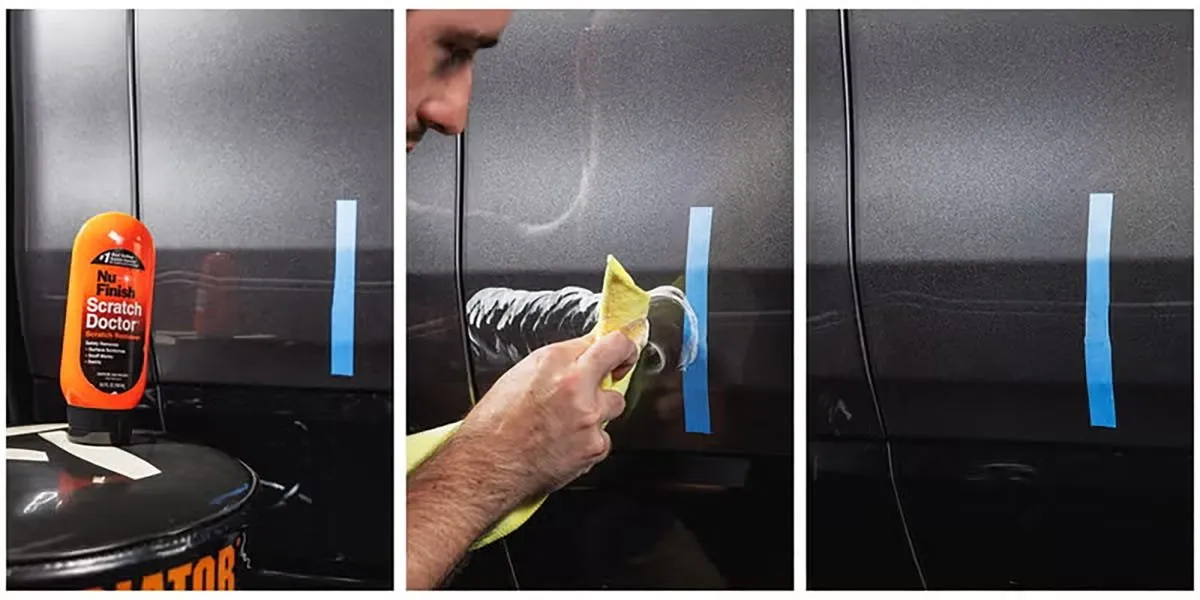 Ensure you cover a slightly larger area than just the scratch itself to blend the repair seamlessly.
Using a machine polisher, such as a dual-action (DA) polisher, can provide more consistent results and speed up the process, especially for larger areas or multiple scratches. It's essential to use the correct polishing pad for the product and to maintain a low to medium speed setting, keeping the polisher moving to avoid overheating the paint. Always work in a shaded area and ensure the surface is clean and cool to the touch before starting. After applying the scratch remover, wipe away any residue with a clean microfiber towel and inspect the results. For deeper scratches that have been filled, a protective wax or sealant should be applied to safeguard the repair.
Beyond Scratch Removers: Prevention and Maintenance
While scratch removers are effective for repairs, preventing scratches in the first place is the ultimate goal for maintaining a vehicle's paintwork. Proper washing techniques are paramount. Always use the two-bucket method: one bucket for soapy water and another for rinsing the wash mitt. This prevents dirt from being reintroduced to the paint surface. 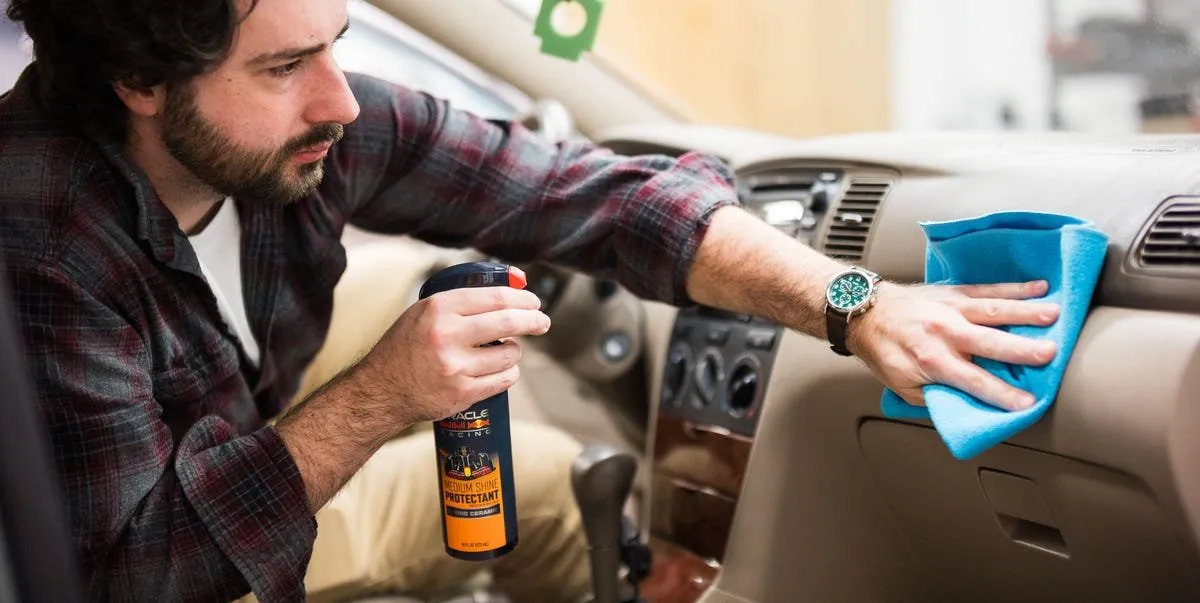 Using high-quality microfiber wash mitts and drying towels is also essential, as they are less likely to cause marring.
Regularly applying a quality wax or ceramic sealant offers an added layer of protection against environmental contaminants and minor abrasions. Ceramic coatings, in particular, provide a durable, hydrophobic barrier that can significantly reduce the likelihood of scratches and make cleaning much easier.  Parking in shaded areas or garages whenever possible further minimizes exposure to UV rays and potential physical damage from falling debris. Consistent care and attention to these preventative measures will help keep your car's paint looking pristine for years to come.
Impact Analysis
The availability and effectiveness of car scratch removers have democratized paint correction, allowing car owners to perform basic repairs themselves, saving on professional detailing costs. This empowers consumers and contributes to the longevity and resale value of vehicles. Furthermore, the continuous innovation in detailing products, from advanced compounds to easy-to-apply ceramic coatings, reflects a growing consumer demand for maintaining vehicle aesthetics and protecting their investments.