While often perceived through a lens of intelligence and social complexity, the primate order encompasses a surprising array of species possessing formidable physical capabilities and, in some cases, unique defensive mechanisms. Moving beyond the popular image of gentle apes and agile monkeys, a deeper look reveals creatures capable of inflicting significant harm, whether through sheer power, specialized adaptations, or surprising predatory behaviors. This exploration delves into the lesser-known, more formidable aspects of primate life, examining species whose strength, weaponry, or unique biological traits position them as surprisingly dangerous members of the animal kingdom.
From the vibrant, imposing mandrill to the deceptively cute yet venomous slow loris, the spectrum of danger within primates is remarkably diverse. It highlights that perceived innocence or physical stature can be misleading indicators of an animal's true potential for harm. Understanding these aspects is crucial for appreciating the full ecological role and survival strategies of these fascinating animals, dispelling common misconceptions and offering a more comprehensive view of primate biology.
The Most Potent Primates: A Closer Look at Their Capabilities
Mandrill: The Colorful Warrior
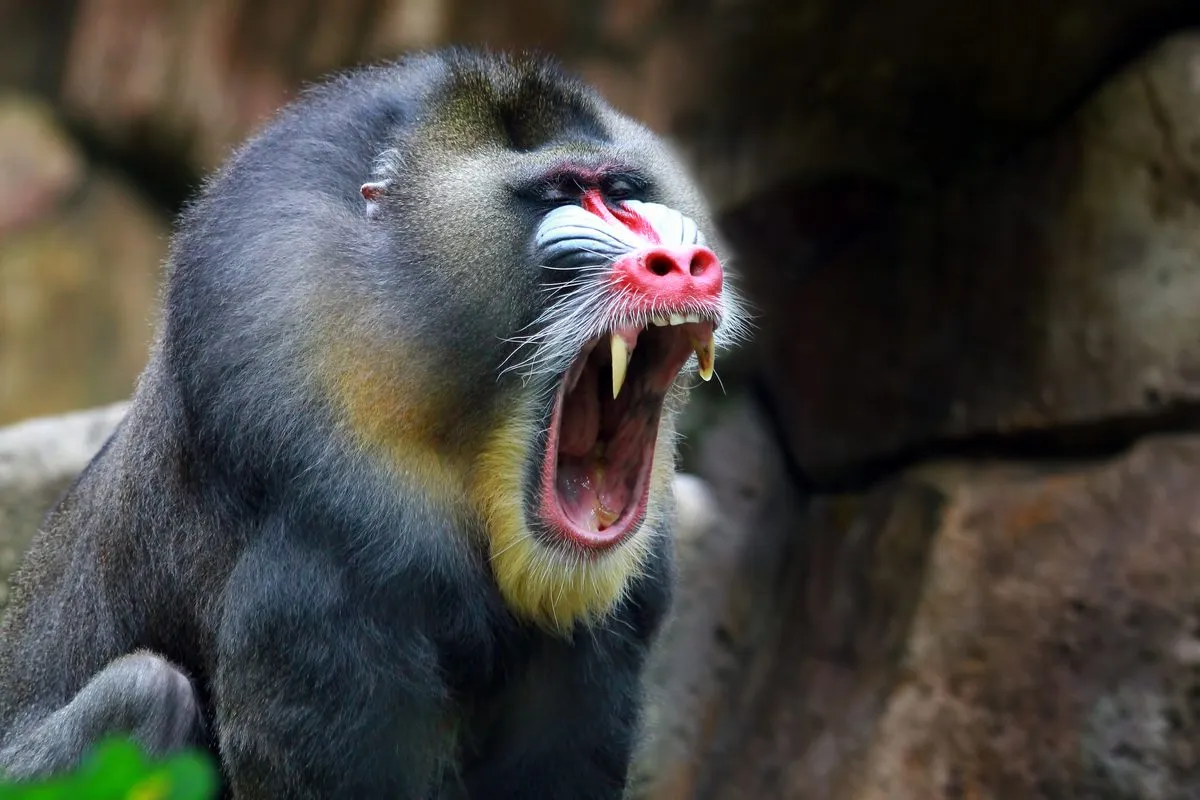
The mandrill, native to the dense rainforests of equatorial Africa, stands as the largest and arguably one of the most visually striking monkey species. Males, significantly larger than females, can reach up to 30kg and possess a magnificent golden mane, complemented by vivid blue and red facial and hindquarter markings. These striking colors are not merely for show; they serve as a potent visual indicator of a male's dominance and fighting prowess. Brighter coloration often signifies a stronger individual, allowing for less confrontational resolutions to disputes as less dominant males may concede before physical conflict escalates.
Despite their impressive canine teeth, which are among the longest found in primates and capable of inflicting serious damage, mandrills typically resolve conflicts without resorting to violence. Their formidable size and coloration act as primary deterrents. Bloodshed is rare and usually occurs only when two males are closely matched in perceived strength and coloration, suggesting a sophisticated system of non-verbal communication and social hierarchy that prioritizes visual signaling over physical confrontation in most instances. 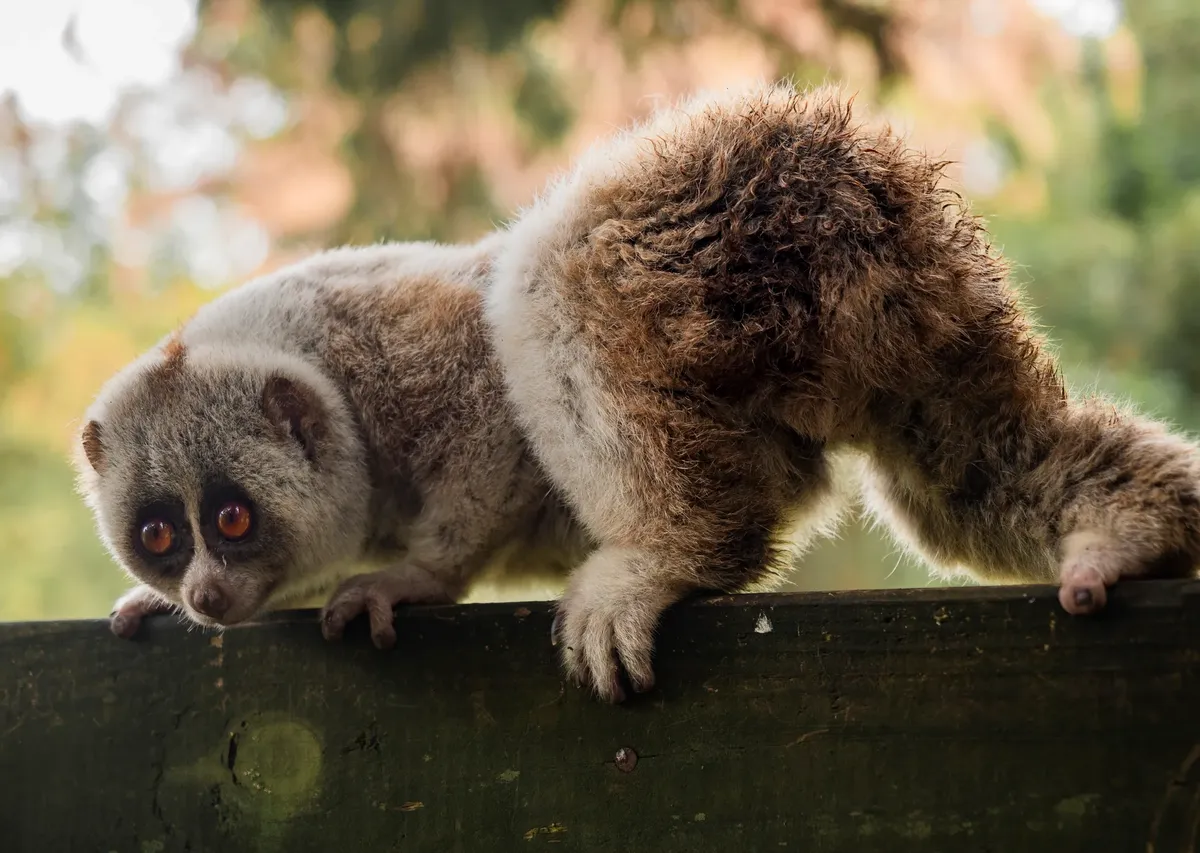
Slow Loris: The Venomous Enigma
The slow loris presents a stark contrast to the formidable mandrill, embodying danger in a uniquely insidious way. With its large eyes, rounded face, and seemingly gentle demeanor, this nocturnal omnivore from Southeast Asia might appear harmless. However, it possesses a rare trait among primates: venom. Slow lorises secrete a potent toxin from brachial glands located above their elbows. When threatened, they lick these glands, mixing the secretion with their saliva, and deliver it through a bite.
The effects of a slow loris bite on humans can be severe, reportedly causing intense pain, swelling, tissue necrosis, and even anaphylactic shock. While human fatalities are not widely documented, there have been accounts of severe reactions, underscoring the potent nature of their venom. Some researchers theorize that the slow loris's facial markings and defensive behaviors, such as raising their arms, may mimic those of venomous snakes like Asian cobras, serving as a deterrent to potential predators. This mimicry, if true, would represent a sophisticated evolutionary adaptation for survival.
Gorilla: The Gentle Giant's Power
If sheer physical strength were the sole determinant of deadliness, the gorilla, the largest of all living primates, would rank exceptionally high. Silverback males can weigh over 200kg, possessing a powerful physique that deters even formidable predators like leopards. Their immense strength is rarely used aggressively, with disputes between males typically resolved through intimidating displays such as chest-beating and mock charges. This restraint suggests a high degree of social intelligence and control.
Documented instances of wild gorillas attacking humans are exceedingly rare, particularly given the increasing number of people visiting their natural habitats. In fact, there are notable accounts of gorillas exhibiting protective behavior towards humans, such as the famous case of a silverback named Jambo at Jersey Zoo who guarded an injured child. While their power is undeniable, gorillas generally demonstrate a remarkable level of non-aggression towards humans, prioritizing avoidance and displays over direct confrontation.
Tarsier: The Miniature Carnivore
The tarsier, found exclusively on the islands of Southeast Asia, presents a peculiar dichotomy of appearance and diet. These small primates, weighing as little as 50g for the pygmy tarsier, possess disproportionately large eyes, giving them a distinctive and somewhat eerie appearance. Their significance on a list of formidable primates stems from their unique dietary habit: they are strictly carnivorous, a rarity among their order.
Hunting nocturnally, tarsiers utilize their exceptional vision and agility to leap silently between branches in pursuit of insects, spiders, and small vertebrates. Their ability to secure a diet solely from animal prey, despite their small size, highlights a specialized predatory niche and efficient hunting strategy within their ecosystem. This carnivorous adaptation, combined with their sharp senses, makes them highly effective hunters within their specific ecological domain.
Aye-Aye: The Specialized Forager
The aye-aye, a lemur native to Madagascar, is perhaps one of the most unusual primates, scoring high on both creepiness and specialized adaptation. This nocturnal creature fills an ecological role often occupied by woodpeckers in other parts of the world, utilizing its unique physical attributes to locate and extract insect grubs from deep within trees.
Its most remarkable feature is an exceptionally long, thin, and highly mobile middle finger, which it uses to tap on wood to listen for hollow cavities and locate prey. Once a grub is detected, the aye-aye gnaws an entry hole with its rodent-like incisors and then uses its specialized finger to hook out its meal. Beyond foraging, this finger also serves as an effective tool for grooming, including cleaning its nasal passages, demonstrating a multi-functional adaptation. 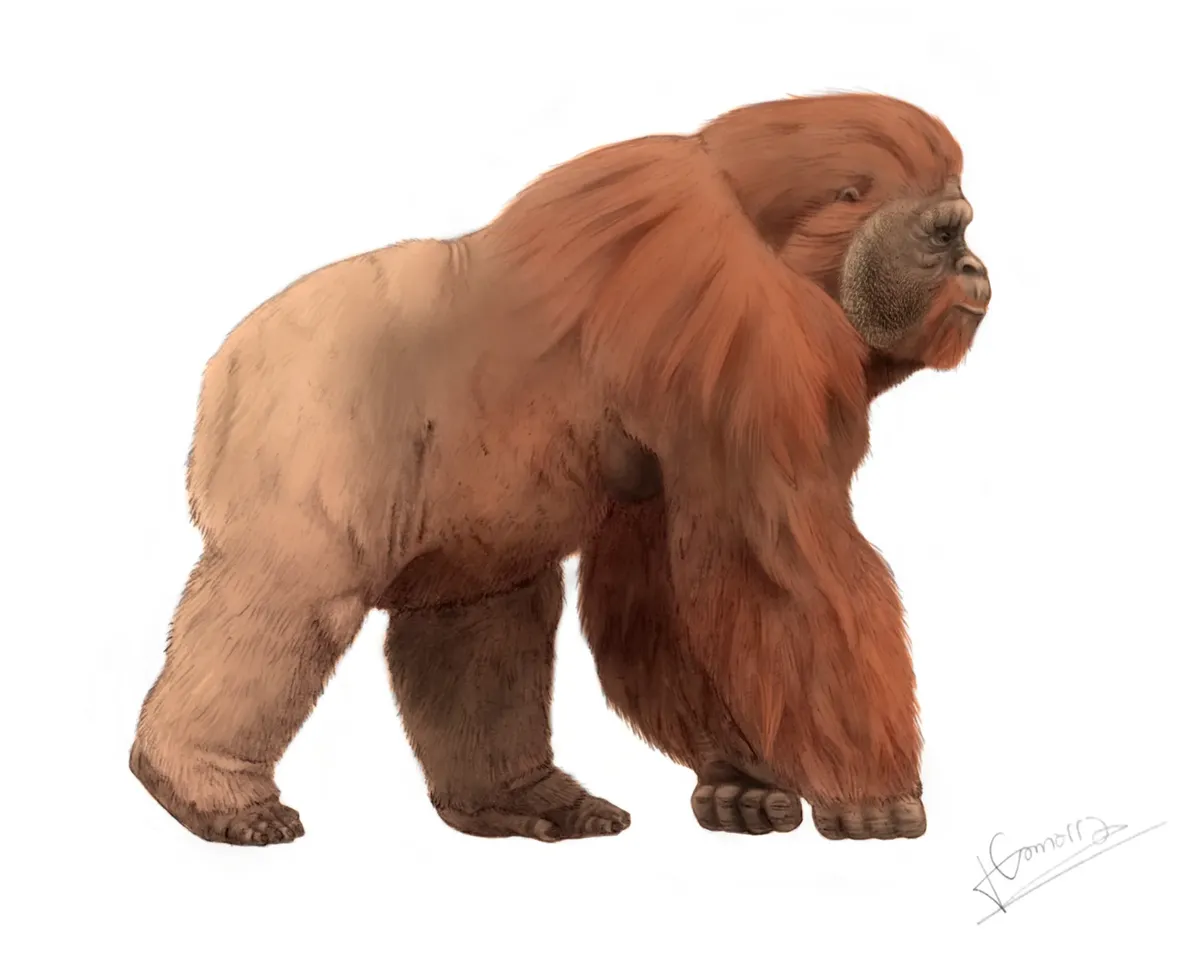
Gigantopithecus: The Extinct Giant
The largest primate known to have ever lived, Gigantopithecus, was an extinct ape species that roamed parts of Southern China and Southeast Asia. Known only from fossilized teeth and jaws, this ape was of colossal proportions, estimated to stand around three meters tall and weigh up to 300kg. Its sheer size suggests a formidable presence in its ancient environment.
Based on the evidence of its massive molars, it is believed that Gigantopithecus primarily consumed tough, fibrous plant material. However, the true extent of its physical capabilities and potential for aggression remains speculative, as the species disappeared around 250,000 years ago, long before direct interaction with humans could be documented. Its existence serves as a testament to the extraordinary diversity of size and form within the primate lineage.
Capuchin Monkey: The Unwitting Disease Vector
While capuchin monkeys are recognized for their intelligence and tool-use capabilities, their significance on this list lies in their indirect role in the spread of dangerous diseases. These South American primates possess a unique cultural trait of using stones to crack open nuts, showcasing their cognitive abilities. However, their interaction with pathogens is more concerning from a human health perspective.
Capuchins can act as reservoirs for viruses like yellow fever. They can survive infection while carrying sufficient viral loads in their blood to infect mosquitoes that bite them. When these infected mosquitoes subsequently bite humans, especially in areas where human-monkey interactions are common, the disease can be transmitted. This natural cycle, once it enters urban environments, can lead to devastating epidemics, as historically observed before the advent of widespread vaccination and mosquito control measures. The virus they carry, rather than the monkeys themselves, poses the significant threat.
Chacma Baboon: The Bold Opportunist
The chacma baboon is an imposing primate, particularly when encountered in groups. Inhabiting southern Africa, these large and powerful monkeys live in troops that can exceed one hundred individuals. Adult males, weighing over 30kg, possess formidable canine teeth that are used effectively against rivals and predators such as cheetahs and leopards.
Chacma baboons are also known for their boldness and opportunistic behavior around humans, frequently raiding homes, cars, and backpacks in certain regions. While aggressive encounters have been documented, severe injuries to humans are reported to be uncommon. Their large size, social structure, and formidable dentition make them a significant presence in their environment, capable of defending themselves and asserting dominance.
Chimpanzee: The Apex Predator
Chimpanzees, our closest living relatives, exhibit behaviors that challenge the conventional view of primates as prey rather than predators. Footage of chimpanzee troops hunting, chasing, and dismembering other monkeys highlights their role as apex predators. These hunting expeditions involve sophisticated cooperation, intelligence, and brutal violence, with individuals often performing specialized roles within the hunting party.
These hunts are not isolated incidents; they have been observed across various regions in Africa. In some national parks, chimps have been documented killing a significant number of monkeys annually, to the extent that they can impact prey populations. This positions chimpanzees as a rare example of a primate that actively operates at the top of its food chain, a role typically associated with large carnivores.
Humans: The Ultimate Apex Predator
While lacking the fangs, claws, or venom of other formidable species, Homo sapiens stands as the ultimate apex predator due to unparalleled cognitive abilities. Human intelligence allows for the conceptualization and creation of weapons capable of inflicting devastation on a scale unmatched in evolutionary history. This began with rudimentary tools like sharpened sticks and spears and has evolved through millennia to encompass gunpowder, advanced projectile weapons, and ultimately, nuclear devices.
Furthermore, human ingenuity has been directed towards manipulating the environment for resource acquisition, often at the expense of other species and ecosystems. This drive, coupled with advanced technological capabilities, positions humanity as a dominant force capable of reshaping the planet and influencing the survival of countless other species. The cognitive capacity that makes humans uniquely adaptable also carries a profound responsibility for the impact they have on the natural world.
Impact Analysis
The examination of formidable primates underscores a crucial aspect of evolutionary biology: danger and capability manifest in diverse forms beyond brute strength. The existence of venomous primates like the slow loris, intelligent cooperative hunters like chimpanzees, and the historically colossal Gigantopithecus demonstrates the wide-ranging adaptations that species develop for survival and dominance. For humans, understanding these varied expressions of power within the primate order offers a more nuanced perspective on interspecies dynamics and reinforces the ecological interconnectedness of life. It highlights that perceived vulnerability, such as the small size of a tarsier or the seemingly gentle nature of a gorilla, can belie significant predatory or defensive capabilities. This knowledge is vital for conservation efforts, behavioral studies, and fostering a deeper respect for the complexity and resilience of the natural world.