Livestock farmer Stuart Baldwin of Haydock, near Wigan, faced a recurring problem with fly-tipping on his land, an issue he estimated occurred approximately 25 times annually. This persistent environmental nuisance, which contaminates farmland and poses risks to livestock, often left farmers feeling helpless. However, a recent incident involving a substantial quantity of discarded tires pushed Baldwin to adopt an unconventional and direct approach to reclaiming his property and confronting the perpetrators.
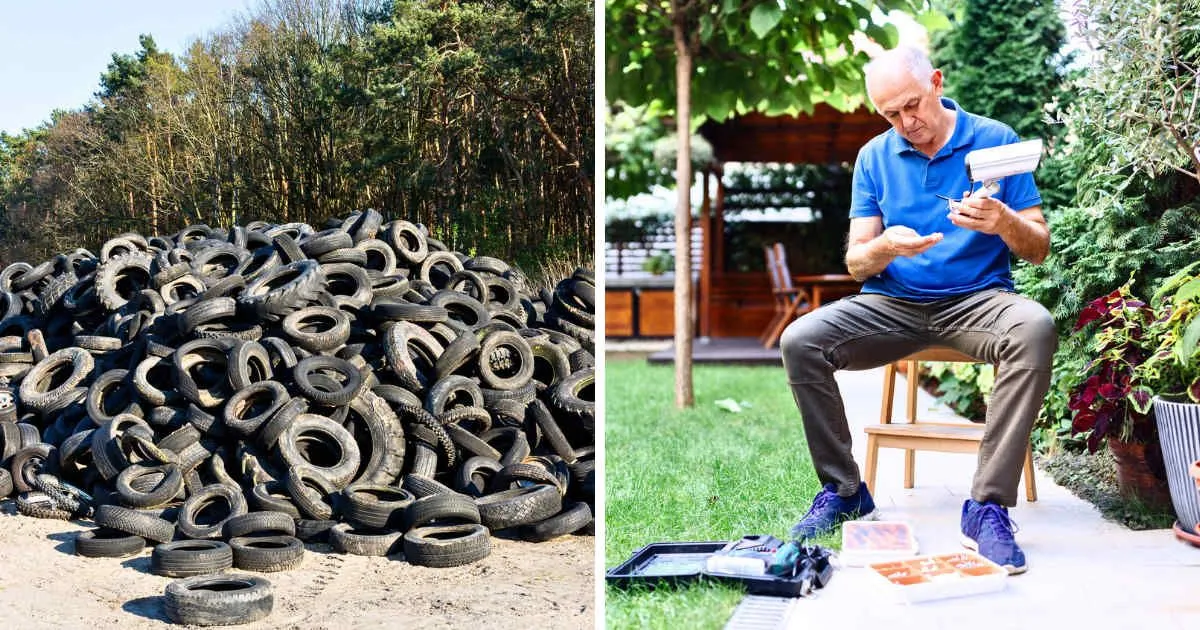
Baldwin discovered an alarming pile of 421 tires strewn across his field, a discovery that spurred him to action. Unlike previous instances, Baldwin had proactively installed CCTV cameras on his property, a measure taken after enduring repeated fly-tipping episodes. The surveillance footage captured a man unloading the tires from a van, providing concrete evidence of the illegal dumping. This crucial visual evidence enabled Baldwin to identify a suspect and initiate a response that bypassed traditional, often slow, legal channels.
Direct Action and Tire Return Initiative
The Confrontation and Offer of Resolution
Following the identification of the suspect through CCTV, Baldwin initially engaged with the individual, offering him an opportunity to rectify the situation himself. The farmer recounted that the offender claimed he would remove the tires, and Baldwin granted him a few days' grace period. This approach demonstrated a willingness to allow the offender to take responsibility, reflecting a measured initial response before resorting to more drastic measures. The expectation was that the offender would promptly clear the waste from the farmland.
However, as the deadline passed without any action from the suspect, the tires remained a blight on Baldwin's land. This inaction significantly increased Baldwin's frustration, prompting him to decide that direct intervention was necessary. He expressed a strong sentiment that enough was enough and that it was time to actively reclaim his property from those who illegally used it as a dumping ground. The prolonged presence of the waste, coupled with the offender's failure to act, solidified Baldwin's resolve to take matters into his own hands.
The Tire Relocation Operation
Leveraging resources from his family's recycling business, SED Services Ltd, Baldwin organized a team to move the discarded tires. With the assistance of several helpers, they loaded the entire consignment of 421 tires onto a truck. The intention was not to cause damage but to return the waste directly to the doorstep of the individual responsible for its initial illegal disposal. This act was a clear statement against the damaging practice of fly-tipping and aimed to make the offender confront the consequences of his actions.
The operation culminated in Baldwin and his team driving the loaded truck to the suspected offender's address. There, they proceeded to unload the tires, creating a substantial pile in the front garden of the property. During the unloading, Baldwin was heard expressing his satisfaction, stating, "F****** fantastic that's what that f***** gets." His daughter, Megan Baldwin, emphasized that the goal was not to inflict harm but to return the waste precisely where it originated, thereby making a powerful statement about the unacceptable nature of illegal dumping. She noted that they took care to place the tires without causing any damage to the property.
Community Support and Motivations
Baldwin's actions garnered significant support from the local community, with many expressing approval of his direct approach. He reported receiving positive feedback from people who encountered him on the street, reinforcing his belief that his intervention was justified. The frustration stemming from repeated fly-tipping incidents has resonated with many landowners who often bear the burden of cleaning up illegally dumped waste. Baldwin's initiative highlighted the emotional and financial toll that such activities can take on individuals and the agricultural sector.
The farmer also pointed out the availability of free waste disposal options in many local areas, which makes the act of illegal dumping even more perplexing and infuriating for landowners. This underscores the need for greater awareness and enforcement regarding waste disposal regulations. Baldwin's personal reflections on the incident, including his playful puns about tires and a "Goodyear" experience, reflect the emotional release he felt after successfully executing his plan. The successful return of the tires brought a sense of closure and satisfaction, underscored by the "smiling all the way home" sentiment.
Broader Context of Fly-Tipping in England
Scale and Impact of Illegal Dumping
Official government data from England reveals the significant scale of the fly-tipping problem. In 2024-25, local authorities handled approximately 1.26 million fly-tipping incidents, marking a notable increase from the 1.15 million reported in the previous year. This upward trend underscores the persistent challenge faced by authorities and landowners alike. Household waste constitutes a substantial portion, accounting for about 62% of these incidents, indicating that individuals are often the primary culprits behind illegal dumping.
On average, the statistics show around 21 fly-tipping incidents per 1,000 people across the country. Pavements and roads are frequently identified as the most common locations for dumped waste, highlighting the public accessibility and ease with which perpetrators can discard materials. The environmental and economic costs associated with cleaning up these sites are considerable, impacting local council budgets and the natural landscape. Baldwin's case, while extreme in its resolution, brings attention to the deep-seated frustration felt by those affected by this widespread issue.
Consequences and Deterrence
The legal consequences for fly-tipping can be severe, including significant fines and even imprisonment, depending on the scale and nature of the offense. However, enforcement remains a challenge, particularly in rural and secluded areas where surveillance may be limited. The incident involving Stuart Baldwin serves as a stark illustration of the extreme measures individuals might consider when feeling let down by the system or unable to find effective recourse. It raises questions about the balance between vigilantism and the proper channels for addressing environmental crime.
While Baldwin's method was unconventional, it successfully deterred the offender and raised awareness about the impact of fly-tipping. The act of returning the waste directly to the perpetrator's property serves as a powerful, albeit unorthodox, form of immediate consequence. Such incidents highlight the ongoing need for robust waste management infrastructure, accessible and affordable disposal options, and effective enforcement strategies to combat the pervasive issue of fly-tipping across the United Kingdom.
Impact Analysis
Stuart Baldwin's bold action, while not a recommended or legal course of action for the general public, has brought renewed attention to the pervasive issue of fly-tipping in the UK. The incident serves as a potent, albeit extreme, case study in frustration and the lengths to which landowners may feel compelled to go when facing repeated environmental crime with seemingly inadequate recourse. It indirectly highlights the strain on resources for local authorities tasked with managing millions of such incidents annually and underscores the emotional toll on those directly affected. The case may prompt discussions on the efficacy of current deterrents and the need for more accessible and practical waste disposal solutions for the public, potentially influencing future policy considerations around environmental enforcement and public engagement with waste management responsibilities.