

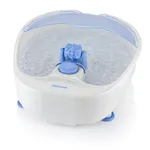
Deep Dive into Advanced Foot Bath Engineering and Wellness Integration
The Core Technologies Driving Foot Bath Performance
Modern foot baths are engineered marvels, integrating several sophisticated technologies to deliver optimal therapeutic benefits. At the heart of these devices is the heating system, typically employing Positive Temperature Coefficient (PTC) heating elements. Unlike traditional resistive heaters, PTC elements offer rapid heat-up times and precise temperature regulation, preventing overheating while maintaining a consistent water temperature throughout the session. This precision is crucial for effective hydrotherapy, ensuring the water remains within the optimal therapeutic range, often between 95°F and 118°F (35°C and 48°C), without significant fluctuations. Advanced models often include thermal sensors that continuously monitor water temperature, adjusting power output to the PTC element in real-time.
Dynamic Massage Systems and Hydro-Therapeutic Modalities
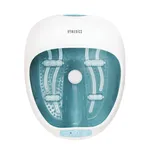
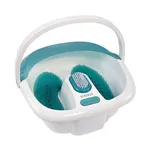
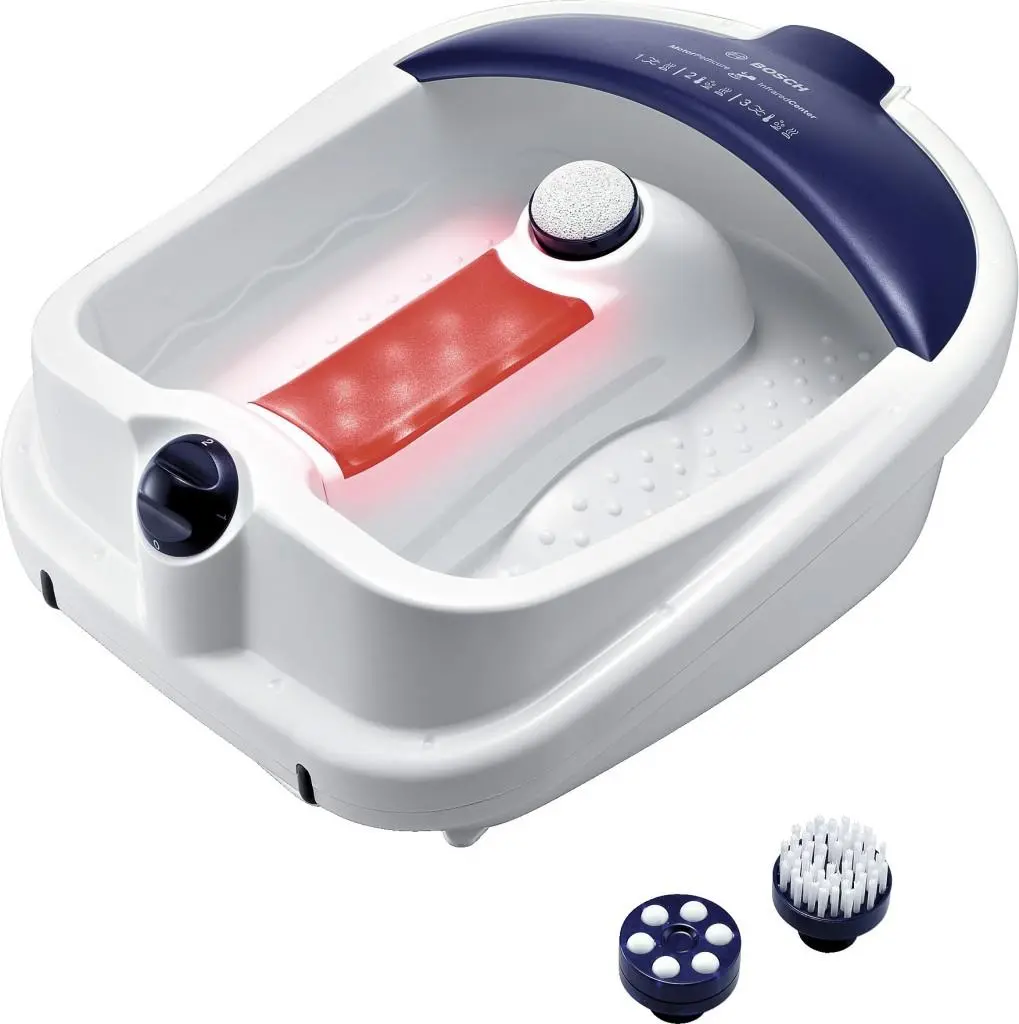
Beyond simple heating, foot baths excel in their diverse massage functionalities. Hydro-jet systems utilize small, submerged nozzles to generate streams of water, creating a targeted, pulsating massage effect on the soles and sides of the feet. This action stimulates circulation, reduces muscle tension, and can alleviate discomfort associated with conditions like plantar fasciitis. Vibrational massage, delivered via integrated motors, provides a gentle, oscillating sensation across the entire foot, promoting overall relaxation and nerve stimulation. Many units also incorporate manual or motorized massage rollers strategically placed at key reflexology points on the foot's arch and heel. These rollers apply pressure, mimicking professional massage techniques, to target specific areas for enhanced relief and stimulation of various bodily systems.
Integrated Therapeutic Enhancements
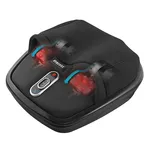
The therapeutic efficacy of foot baths is often augmented by additional integrated features. Infrared light therapy, for instance, uses non-visible infrared LEDs to emit gentle heat that penetrates deeper into tissues, promoting blood circulation, reducing inflammation, and accelerating muscle recovery. Some high-end models may include ozone sterilization systems, which generate ozone (O3) to disinfect the water, neutralizing bacteria and fungi, thereby ensuring a hygienic environment for each use. Compatibility with essential oils or Epsom salts is also a common feature, allowing users to enhance their hydrotherapy with aromatherapy or mineral-rich soaks, adding another layer to the relaxation and healing process. Ergonomic design principles are paramount in foot bath construction, featuring splash guards to prevent water spillage, integrated drainage systems for easy emptying, and non-slip rubberized feet to ensure stability during use. Control interfaces range from intuitive digital displays with touch controls to more advanced remote-controlled systems, providing users with seamless command over temperature, massage modes, and session timers. Material selection, often medical-grade ABS plastic, ensures durability, ease of cleaning, and resistance to chemical degradation from salts or oils, contributing to the longevity and safe operation of the device.