

Deep Dive: Engineering and Application of Advanced First Aid Systems
Understanding the Core Engineering of First Aid Kits
The efficacy of a first aid kit hinges not merely on the presence of medical supplies, but on a sophisticated engineering approach that ensures rapid accessibility, sterile integrity, and appropriate component selection for anticipated emergencies. Each kit is a meticulously assembled system, designed to provide immediate care, stabilize conditions, and prevent further injury or complications until professional medical help can be obtained. This involves careful consideration of the kit's external housing, internal organization, and the pharmaceutical and medical-grade quality of its contents. The overarching goal is to minimize response time and maximize positive patient outcomes in critical moments, transforming a simple collection of items into a life-saving tool.
Component Specifications and Regulatory Compliance
At the heart of any reliable first aid kit are its individual components, each meeting stringent specifications for medical use. Sterile dressings, such as adhesive bandages, gauze pads, and rolls, must conform to ISO 13485 standards, ensuring sterility and material biocompatibility. Antiseptic wipes, solutions, and topical treatments require active ingredients at concentrations proven effective against a broad spectrum of pathogens, often regulated by agencies like the FDA or EMA. Pain relievers, antihistamines, and other over-the-counter medications included must be clearly labeled with dosage, indications, contraindications, and expiration dates. Specialized instruments, such as trauma shears, splints, and CPR masks, are designed for durability, ease of use, and effective function under duress. For occupational settings, compliance with standards like ANSI Z308.1-2021 is crucial, mandating specific types and quantities of supplies based on workplace hazards and employee count, categorized into Class A and Class B kits with varying minimum requirements.
Ergonomic Design and Durability
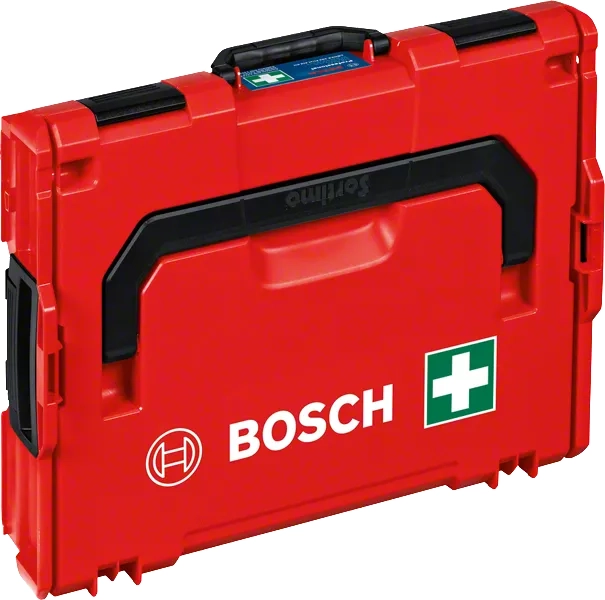
Beyond the contents, the physical design of the first aid kit plays a pivotal role. Housings are often constructed from robust, impact-resistant polymers (e.g., ABS, polypropylene) or rugged fabric materials, engineered to protect delicate contents from environmental factors like moisture, dust, and temperature fluctuations. Water-resistant seals and zippers are common features, particularly in outdoor or marine kits. Internal organization is meticulously planned, frequently utilizing clear pouches, elastic loops, and compartmentalized trays to ensure that specific items can be located and accessed within seconds. Color-coding, descriptive labeling, and logical arrangement reduce search time during high-stress situations. Portability is also a key design element, with kits ranging from compact, belt-attachable pouches for individual use to larger, wall-mountable cabinets for public spaces or industrial environments. The chosen design must balance comprehensive content with practical transport and storage considerations, ensuring the kit is always ready and accessible when needed most.
Maintenance protocols are equally vital, requiring regular inspection of contents for expiration dates, damage, and usage, followed by immediate replenishment. Implementing a systematic inventory management system ensures that kits remain fully stocked and functional, reflecting their status as critical emergency response assets rather than passive storage units.