

Deep Dive into Pulse Oximetry Technology and Application
Understanding Pulse Oximetry: Core Principles and Metrics
Pulse oximetry fundamentally relies on the differential absorption of red and infrared light by oxygenated and deoxygenated hemoglobin. Oxygenated hemoglobin (HbO2) absorbs more infrared light and allows more red light to pass through, while deoxygenated hemoglobin (Hb) absorbs more red light and less infrared light. By emitting light at these two distinct wavelengths and measuring the amount that passes through the tissue, the device's photodetector can calculate the ratio, which is then translated into a SpO2 percentage. This measurement is derived from the pulsatile component of the arterial blood flow, effectively filtering out light absorption by other tissues.
Key Physiological Metrics Provided by Pulse Oximeters
Beyond SpO2, most modern pulse oximeters also display the Pulse Rate (PR), which is the number of heartbeats per minute. Some advanced units may also provide the Perfusion Index (PI), an objective assessment of the strength of the pulsatile blood flow at the sensor site. A higher PI indicates stronger perfusion, which is crucial for reliable SpO2 readings. Understanding these metrics in conjunction offers a comprehensive view of a patient's cardiovascular and respiratory status, aiding in early detection of potential issues.
Factors Influencing Pulse Oximeter Accuracy and Performance
While generally reliable, the accuracy of pulse oximeters can be impacted by several factors. Motion artifact, such as shivering or restlessness, can interfere with the detection of the pulsatile signal. Peripheral hypoperfusion, often seen in conditions like shock or severe vasoconstriction, can lead to falsely low readings or inability to obtain a reading due to insufficient blood flow to the periphery. External factors like dark nail polish, artificial nails, or excessive ambient light can also interfere with light transmission and absorption, affecting accuracy. Additionally, the presence of dysfunctional hemoglobin derivatives, such as carboxyhemoglobin (CO poisoning) or methemoglobinemia, can cause misleadingly high SpO2 readings because these compounds absorb light similarly to oxygenated hemoglobin at certain wavelengths, challenging the device's algorithms.
Types of Pulse Oximeters and Their Applications
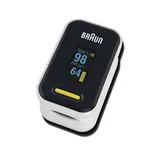
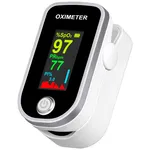
The market offers various types of pulse oximeters tailored for different applications. Fingertip pulse oximeters are the most common for home use, sports, and aviation, prized for their simplicity and portability. Handheld pulse oximeters, often more robust and featuring external probes, are frequently used in clinical settings, including emergency services and hospitals, offering greater data storage and connectivity. Wrist-worn models are designed for continuous monitoring, particularly during sleep studies or for active individuals requiring hands-free operation. Pediatric-specific models feature smaller probes to ensure a proper fit for infants and children, crucial for accurate readings in smaller extremities. Each type is engineered to meet specific monitoring needs, from spot-checking to continuous, long-term surveillance.