




Deep Dive into Electric Hot-Water Bottle Technology and Performance
Understanding Electric Hot-Water Bottle Mechanics
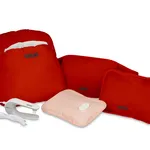
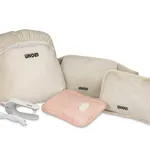
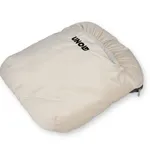
Electric hot-water bottles are sophisticated personal heating devices that leverage electrothermal conversion for user convenience and safety. Unlike traditional rubber bottles requiring manual filling with boiling water, these units integrate a sealed water reservoir with an internal heating element, often a Positive Temperature Coefficient (PTC) heater or a resistive wire element. The PTC heater is particularly notable for its self-regulating properties; as its temperature increases, its resistance rises significantly, effectively limiting current flow and preventing overheating. This intrinsic safety mechanism is a crucial design feature, often supplemented by a bimetallic thermostat and a thermal fuse for multi-layered protection against thermal runaway.
Power, Charging, and Thermal Efficiency
The operational efficiency of an electric hot-water bottle is largely dictated by its power rating, typically ranging from 360W to 600W. Higher wattage generally translates to faster heating times, with many models achieving their target temperature in 8 to 15 minutes. During the charging cycle, an indicator light, often LED-based, illuminates to signal active heating and extinguishes upon reaching the desired temperature or after the automatic shut-off mechanism is triggered. Once charged, the device operates cordlessly, making it highly portable. The internal water, usually distilled or specially treated to prevent mineral buildup, acts as an efficient heat sink and medium for thermal transfer. The surrounding insulation, often multi-layered and incorporating foam or fabric, plays a critical role in minimizing heat loss and extending the duration of warmth, typically allowing the bottle to remain therapeutically warm for 2 to 6 hours, depending on ambient conditions and the specific product's design.
Safety Features and Material Science
Safety is paramount in electric hot-water bottle design. Beyond the aforementioned PTC elements and thermostats, many units incorporate a pressure-relief valve to prevent excessive pressure buildup during heating. The outer casing material is also crucial; high-grade PVC, often with a soft fabric cover, is common, chosen for its durability, heat resistance, and impermeability. The sealing mechanism around the heating element and charging port is meticulously engineered to prevent any water leakage, which could pose an electrical hazard. Furthermore, the charging connection itself is designed for safety, often featuring a recessed, self-sealing port to protect against splash ingress or accidental contact. Regular inspection of the casing for cracks or damage is essential for maintaining safety over the product's lifespan. The selection of materials ensures not only functional performance but also ergonomic comfort and hygiene for direct skin contact.