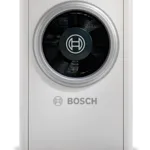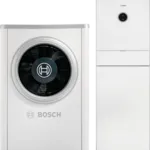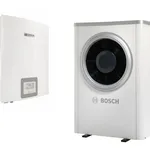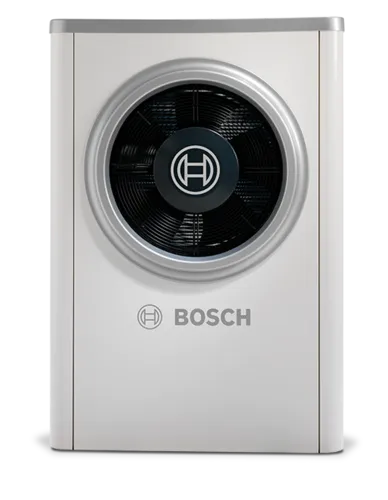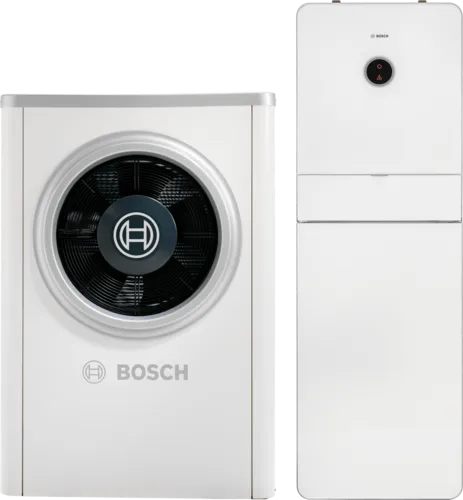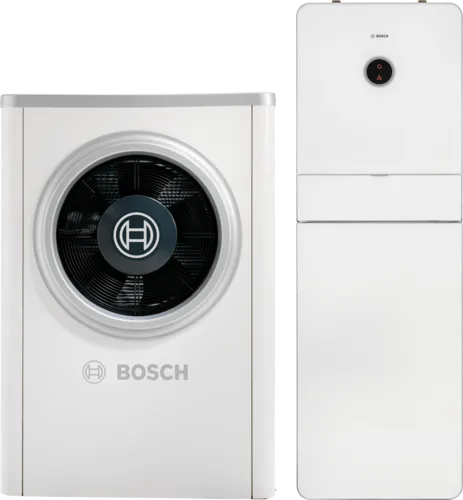


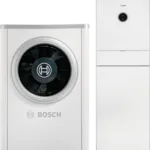
Bosch 17 LW Ground-to-Water Indoor Heat Pump Unit
Specifications
Design
Design
| Type |
Indoor unit
|
|---|---|
| Heating system |
Ground to water
|
| Heat pump functions |
Heating
|
| Product colour |
White
|
| Built-in display |
Yes
80% have it
|
Performance
Performance
| Heating capacity in watts |
17000
W
16% better than others
|
|---|
Power
Power
| Energy efficiency class (heating) |
A+
|
|---|---|
| AC input voltage |
400
V
35% better than others
|
| AC input frequency |
50
Hz
16% better than others
|
| Current |
25
A
41% better than others
|
Indoor unit
Indoor unit
| Noise level (indoor unit) |
44 dB
|
|---|---|
| Indoor unit width |
60
cm
37% better than others
|
| Indoor unit depth |
64.5
cm
42% better than others
|
| Indoor unit height |
152
cm
29% better than others
|
| Indoor unit weight |
195
kg
92% better than others
|
Disclaimer: Information on this page may need review. If you notice any discrepancies, please report them

The Bosch 17 LW represents a significant entry into the residential and light commercial heating market, specifically targeting applications where ground or water-based heat sources are viable. As an indoor unit, it is designed for integration within a building's infrastructure, requiring a separate heat source loop and distribution system. This model emphasizes efficiency and reliability, leveraging Bosch's extensive engineering expertise in climate control solutions. Its positioning suggests a focus on new constructions or substantial retrofits where the installation of a ground loop or connection to a suitable water body is feasible, offering a sustainable and potentially cost-effective alternative to traditional fossil fuel heating systems.
Analyzing the Bosch 17 LW within the context of the heat pump category, its 'Ground-to-Water' designation is crucial. This indicates a higher potential Coefficient of Performance (COP) compared to air-source units, especially in colder climates, due to the more stable temperatures of the ground or water. The 'Indoor' aspect implies a need for careful space planning and integration, typically within a utility room or basement. While specific performance metrics like heating capacity (kW) and energy efficiency ratings (e.g., EER, COP at various temperatures) are paramount for a definitive evaluation, the unit's inherent design philosophy points towards long-term operational savings and reduced environmental impact. Its suitability will largely depend on the specific site conditions, available space, and the integration with a compatible heating distribution network, such as underfloor heating or low-temperature radiators.
Pros & Cons
Pros
What we love about this product
- High Potential Efficiency: Ground-to-water heat pumps generally offer superior efficiency (higher COP) due to the stable temperatures of the ground or water source compared to ambient air.
- Reliability and Durability: Bosch is a reputable brand known for producing high-quality, long-lasting appliances, suggesting a robust build for sustained operation.
- Environmentally Friendly: Utilizes renewable ground or water energy, significantly reducing reliance on fossil fuels and lowering carbon emissions.
- Indoor Integration: Designed for indoor installation, offering flexibility in placement within a property and protection from external weather elements.
Cons
Points to consider before buying
- Requires Specific Infrastructure: Needs a ground loop or connection to a suitable water body, which involves significant upfront installation costs and site suitability assessment.
- Space Requirements: As an indoor unit, it demands adequate space within the building for installation and maintenance, potentially impacting usable floor area.
- Limited Application Scope: Primarily suited for properties with the capacity to install a ground or water source, making it less versatile than air-source alternatives for all property types.
- Complexity of Installation: Integration with the heat source and distribution system requires specialized knowledge and potentially longer installation times compared to simpler heating systems.
Questions and Answers

What is the primary advantage of a ground-to-water heat pump like the Bosch 17 LW over an air-source unit?
The main advantage lies in efficiency and consistency. Ground and water sources maintain much more stable temperatures year-round compared to the ambient air. This means the Bosch 17 LW can operate at a higher and more consistent Coefficient of Performance (COP), especially during very cold or very hot weather, leading to potentially lower energy bills and more reliable heating output.
Write at least 5 characters