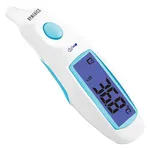
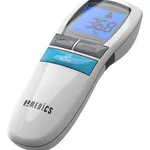
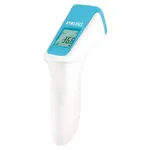
In the realm of personal health monitoring, precision and reliability are paramount. The HoMedics TE-101-EU Digital Thermometer emerges as a contender in the digital thermometer market, aiming to provide accurate temperature readings for everyday use. Designed with user convenience in mind, this device offers a straightforward approach to a critical health metric, making it a potentially valuable addition to any household's first-aid kit or daily wellness routine.
Analyzing the HoMedics TE-101-EU within its competitive landscape, its core functionality revolves around delivering swift and dependable temperature measurements. While specific advanced features are not detailed in the provided specifications, the emphasis on digital accuracy suggests a focus on core performance. For consumers seeking a no-fuss, functional thermometer, understanding its technical capabilities and how they translate into practical benefits is key. This review will delve into the strengths and potential limitations based on the available information, helping you ascertain if the TE-101-EU aligns with your personal health monitoring needs.
Key Features and Performance Analysis
The HoMedics TE-101-EU is built upon the fundamental requirement of accurate temperature sensing. As a digital thermometer, it leverages electronic components to convert thermal energy into a digital reading, which is then displayed on its integrated screen. This digital format typically offers enhanced readability compared to older analog models, reducing the potential for misinterpretation of results. The device's design prioritizes ease of use, suggesting an intuitive interface and a simple operational process, which is crucial for quick checks, especially during times of illness.
While the specifications do not elaborate on specific measurement times or accuracy margins (e.g., +/- 0.1°C), the 'digital' nature implies a level of precision expected from modern health devices. The brand's established presence in the health and wellness sector adds a layer of trust, suggesting a commitment to producing reliable consumer health products. For users, this translates to a thermometer that should consistently provide the data needed for informed health decisions without unnecessary complexity.