

Advanced Medical Printing Technologies and Integration Strategies
Understanding the Core Technologies in Medical Printing
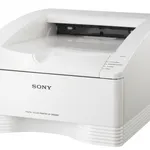
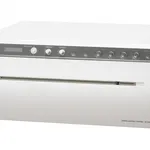
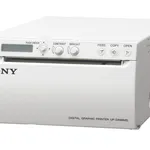
The landscape of medical printing is defined by specialized technologies designed to meet the rigorous demands of diagnostic imaging. Thermal printing, encompassing both direct thermal and thermal transfer methods, is prominent for its dry processing and high resolution, particularly in modalities like ultrasound and nuclear medicine. Direct thermal printers, while economical, use heat-sensitive paper and are often chosen for shorter-term records. Thermal dye-sublimation printers, conversely, offer exceptional color depth and longevity, making them ideal for high-fidelity images such as those from endoscopy or pathology. Inkjet technology, leveraging pigmented inks, provides versatility in media types and is increasingly adopted for its cost-effectiveness and ability to reproduce a wide color gamut, crucial for dermatological or surgical photography. Each technology presents unique advantages and trade-offs in terms of speed, cost per print, image permanence, and required maintenance, necessitating careful evaluation against specific clinical use cases and budget constraints.
Key Technical Specifications and Standards
Beyond the fundamental printing method, several technical specifications dictate a medical printer's efficacy. Resolution, typically measured in dots per inch (DPI), directly correlates with image detail. High-resolution printers, often 600 DPI or greater, are essential for discerning subtle abnormalities in complex images. Grayscale accuracy and consistency are paramount, addressed by adherence to the DICOM Grayscale Standard Display Function (GSDF), which ensures that images are perceived uniformly across different compliant devices. DMAX, or maximum density, quantifies the darkest possible black a printer can achieve, critical for visualizing subtle contrast differences. Color calibration to standards such as sRGB or Adobe RGB is also vital for modalities that rely on true-to-life color reproduction. Furthermore, printers must support various imaging formats, including JPEG, TIFF, and specifically DICOM part 10 files, to ensure seamless interoperability within the medical imaging ecosystem.
Integration with Clinical Workflows and Data Management
Effective integration is a cornerstone of modern medical printing. Printers must connect effortlessly with Picture Archiving and Communication Systems (PACS) via DICOM print servers, allowing modalities to send images directly for printing without manual intervention. This integration extends to Hospital Information Systems (HIS) and Electronic Medical Records (EMR), where print jobs can be triggered by patient data and linked directly to their digital charts. Network connectivity, typically via Ethernet, must be robust and secure, supporting protocols like TCP/IP and potentially IPv6 for future scalability. Advanced features include print job management, queue prioritization, and error reporting, all designed to minimize clinical disruption and optimize resource utilization. Secure print release functions, requiring user authentication, are also crucial for maintaining patient data confidentiality and complying with privacy regulations like HIPAA. The ability to monitor printer status remotely and integrate with enterprise-level IT management tools further enhances operational efficiency and predictive maintenance capabilities, ensuring maximum uptime in demanding healthcare environments.