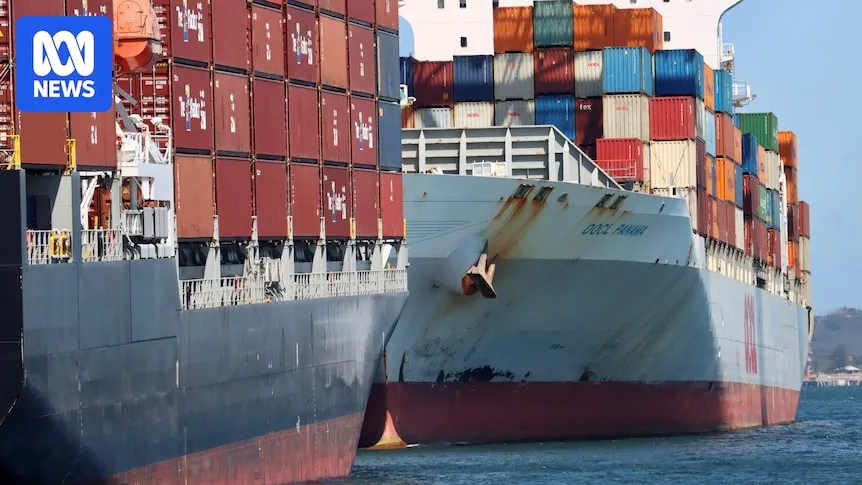
Australia has imported over one million tonnes of fertiliser since the commencement of the Middle East conflict, a situation that has significantly impacted global trade routes. To mitigate potential supply chain disruptions and ensure agricultural stability, the Australian federal government proactively streamlined its biosecurity border processes in April. This intervention was crucial for facilitating the timely arrival of essential farming inputs, particularly for the nation's vital winter crop season.
The strategic importance of these measures is underscored by the fact that approximately one-third of the world's fertiliser typically transits through the Strait of Hormuz. The closure or disruption of this critical waterway due to the ongoing conflict has compelled nations worldwide to urgently secure their fertiliser supplies. Australia, heavily dependent on imported urea to support crop growth, was particularly vulnerable. Data from the analysis firm Episode 3 indicates that Australia imported around 3.6 million tonnes of fertiliser in 2025, highlighting the scale of its reliance on international markets. Fears of escalating food prices due to persistent shortages prompted decisive government action.
Addressing Supply Chain Disruptions and Biosecurity
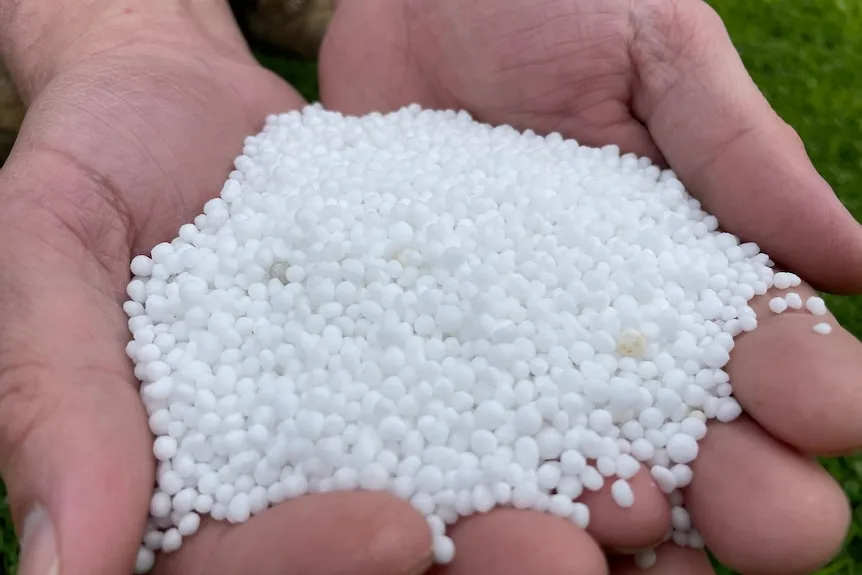
Urea, the most commonly utilised nitrogen fertiliser globally, plays an indispensable role in achieving high yields for a diverse range of crops, including cereals such as wheat and barley, oats, and various vegetables. Although Australia possesses substantial raw materials for nitrogen-based fertiliser production, domestic manufacturing capabilities have largely ceased in recent decades. This necessitates a strong reliance on imports.
To facilitate the entry of critical imports like fertiliser during the geopolitical tensions, the government expedited biosecurity protocols. A key adjustment involved allowing sample testing on vessels before they dock in Australia. Minister for Agriculture, Fisheries and Forestry, Julie Collins, stated, "This is about trying to provide Australian farmers with some certainty in what is an uncertain time with this war in the Middle East impacting globally and including here at home in Australia." She further elaborated, "We've streamlined the process so that, for instance, one of the things we can do is do a sample on the boat before it lands in Australia and make sure that it's tested by the time it lands."
The government acknowledged the potential risks associated with contaminated fertiliser, which could severely impact local industries. However, Minister Collins assured that the expedited processes did not compromise the integrity of inspections. "I don't want to send a message out there that we've done anything that we shouldn't be doing here. We still have an extremely strong biosecurity system," she affirmed. These biosecurity adjustments were developed in collaboration with Fertilizer Australia.
Stephen Annells, CEO of Fertilizer Australia, commented on the partnership, stating, "Fertiliser Australia is committed to working alongside the government, ensuring that our collaborative efforts lead to sound biosecurity systems and timely access to fertiliser for Australian farmers." He added, "This partnership not only emphasises the importance of practical solutions but also reinforces our shared dedication to maintaining rigorous biosecurity standards, protecting Australia's farming ecosystems and export markets."
Government Underwriting and Future Shipments
The federal budget introduced a significant financial commitment, allocating $7.5 billion towards a fuel and fertiliser security facility. This initiative aims to insulate the nation from the protracted economic repercussions of the Middle East conflict. Beyond this facility, an additional six shipments, totalling over 209,000 tonnes of urea, have been secured. The initial shipments under this arrangement are anticipated to reach Australian shores in the coming weeks.

Minister Collins also announced further developments, noting, "We have also got an investment in terms of the Perdaman plant that will be able to produce urea in Western Australia from the middle of next year." This indicates a strategic move towards bolstering domestic production capabilities in the longer term.
Despite these measures, concerns have been raised regarding the implementation of the government's underwriting scheme for fertiliser imports. Nationals MP Darren Chester, the shadow agriculture minister, voiced reservations, describing the policy as "well-intentioned" but "poorly implemented." He pointed out that while two major industry players have secured government underwriting, allowing them to purchase urea at potentially inflated prices with the government absorbing price drops, smaller importers face a different scenario. "At the moment they are looking at the situation and saying 'we're going to own all the risk on the price of our shipments', whereas two of the bigger players have a government underwritten scheme," Chester stated, highlighting a perceived disparity in the scheme's application.
Impact Analysis
The substantial importation of over one million tonnes of fertiliser underscores Australia's critical reliance on global supply chains for essential agricultural inputs. The government's swift response in streamlining biosecurity measures demonstrates a recognition of the profound impact geopolitical events can have on food security. While the immediate supply has been bolstered, the ongoing debate surrounding the underwriting scheme highlights the complexities of managing market risks and ensuring equitable access for all importers. The long-term investment in domestic production, such as the Perdaman plant, signals a strategic shift towards greater self-sufficiency, crucial for insulating the Australian agricultural sector from future international disruptions.