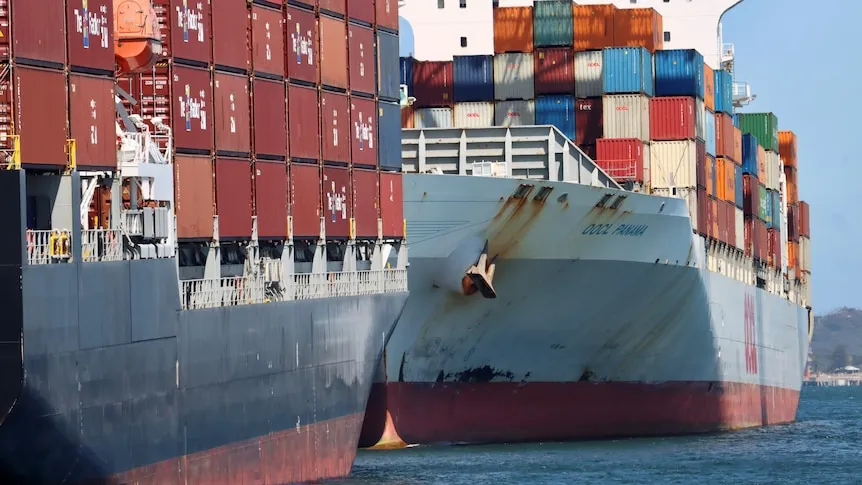
The ongoing conflict in the Middle East has led to significant international trade disruptions, prompting Australia to import over one million tonnes of fertiliser since the war began. To ensure adequate supply for farmers, particularly ahead of the winter crop season, the Australian government expedited biosecurity processes for incoming shipments. This measure was critical as a substantial portion of global fertiliser trade normally passes through the Strait of Hormuz.
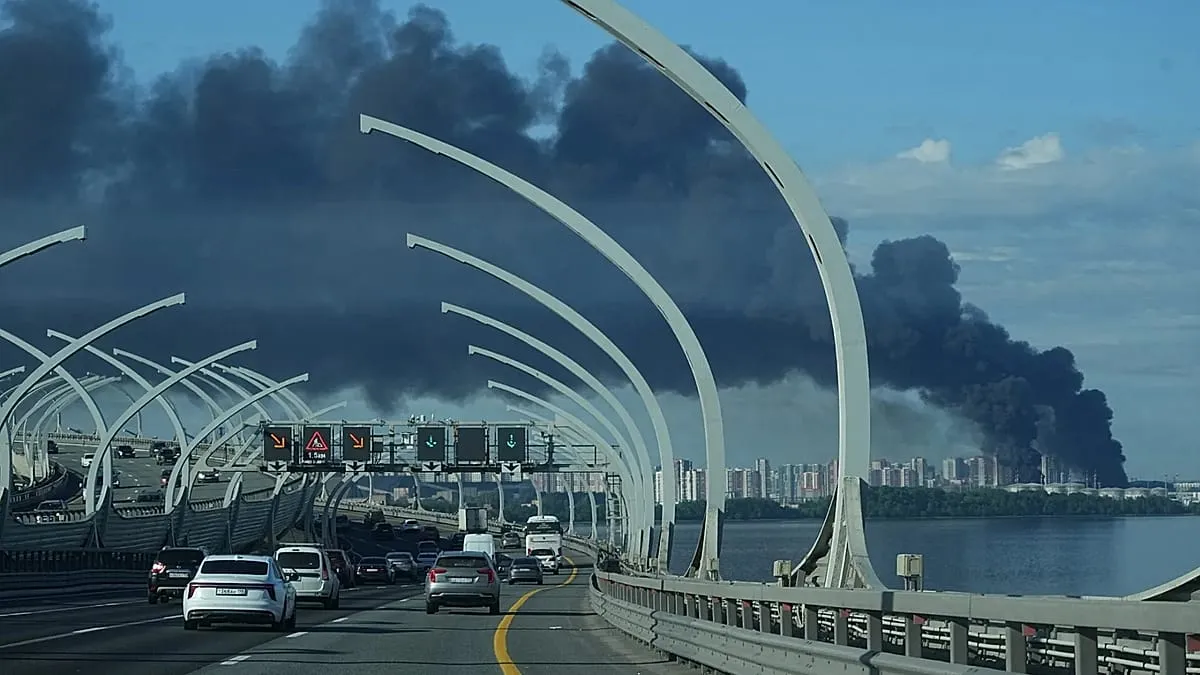
[IMAGE_1] A third of the world's fertiliser moves through the Strait of Hormuz in a normal year. The Strait's closure during the Iran conflict has sent nations scrambling to secure supply. Australia is wholly reliant on urea imports to support the growth of crops. According to analysis firm Episode 3, Australia imported about 3.6 million tonnes in 2025. There were fears food prices would sky-rocket if ongoing shortages continued this year.
The government has also allocated substantial funds for a fertiliser security facility and secured further shipments, with plans for domestic urea production in Western Australia by mid-2026. However, debate continues regarding the equity of the government's underwriting scheme for fertiliser imports, with concerns that larger players may benefit disproportionately over smaller importers.