The discourse surrounding higher education is increasingly focused on the value proposition and the relevance of traditional academic models. Amidst calls for reform and adaptation, certain institutions are demonstrating alternative paths toward robust, meaningful educational experiences. These models often emphasize hands-on work, community integration, and a deep sense of student investment in the institution's mission—qualities that are, by many accounts, diminishing in more conventional university settings.
Two notable examples, Deep Springs College in California and the newly established Outer Coast in Alaska, embody an educational philosophy where students engage directly with tangible work and community responsibilities. This approach fosters a profound connection to their learning environment and cultivates essential life skills alongside academic knowledge. These institutions serve as compelling case studies for how to revitalize educational paradigms, offering lessons applicable even to established Ivy League and other universities.
The Deep Springs Model and its Legacy
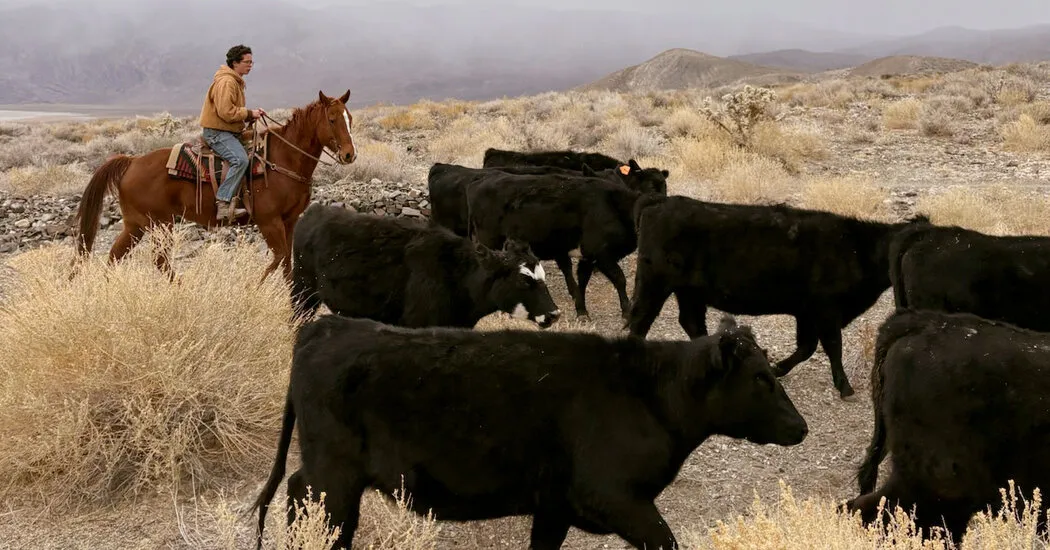
Michal Leibowitz's essay, "A Cattle Ranch Is Doing What the Ivy League Can’t," delves into the unique educational environment of Deep Springs College. This highly selective, all-men's college situated on a cattle ranch in California's high desert requires students to participate in the daily operations of the ranch and the college. This immersion in manual labor, self-governance, and academic study creates a unique crucible for personal development. Students are not merely attendees; they are active contributors to the functioning of their community.
Alumni, such as Bryden Sweeney-Taylor, a graduate of Outer Coast, attest to the transformative power of such experiential learning. Sweeney-Taylor highlights that this hands-on engagement fosters interdependence and a shared sense of purpose, creating a vital link between the students and the wider community. This symbiotic relationship is crucial, as it instills in students a sense of real stakes in their educational journey and the well-being of their surroundings. 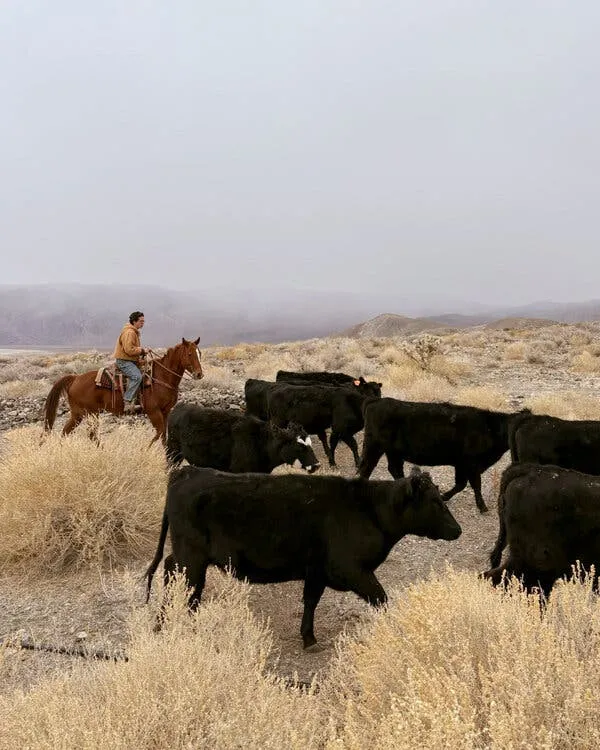
Outer Coast: A Modern Iteration of Experiential Education
Outer Coast, located in Sitka, Alaska, is a testament to the enduring appeal and efficacy of the Deep Springs model. It is a two-year liberal arts institution that intentionally integrates practical work into its curriculum. Its inaugural class, which graduated on May 8, engaged in activities ranging from harvesting local food for elders to undertaking winter snow shoveling and restoring a community boathouse.
This approach moves beyond theoretical knowledge, grounding education in real-world application and community contribution. By involving students in tasks that directly benefit the local population and environment, Outer Coast cultivates a strong sense of responsibility and belonging. This not only enhances the students' educational experience but also strengthens the social fabric of Sitka, demonstrating a model where education serves as a catalyst for community development.
Lessons for Traditional Institutions
The success of institutions like Deep Springs and Outer Coast offers a critical perspective on the potential limitations of current higher education systems, particularly concerning student engagement and the development of a holistic worldview. The "crew, not passengers" philosophy, championed by Outward Bound co-founder Kurt Hahn, encapsulates the essence of these experiential models.
Traditional universities could benefit by incorporating elements of these experiential approaches. This might involve structured community service programs, project-based learning that addresses local needs, or opportunities for students to take on greater responsibility in campus operations. Fostering a sense of shared ownership and purpose can significantly enhance student motivation, critical thinking, and overall educational outcomes, creating graduates who are not only academically proficient but also deeply engaged citizens.
The Importance of Student Agency
Central to the effectiveness of these experiential models is the concept of student agency. When students are given the autonomy to lead, shape their learning, and contribute meaningfully, they develop greater confidence and a more profound understanding of their capabilities. This empowerment is a cornerstone of robust learning environments.
In such settings, education transcends passive reception of information. It becomes an active, collaborative process where students learn by doing, problem-solving, and taking ownership of their contributions. This fosters resilience, adaptability, and a capacity for lifelong learning—qualities that are increasingly vital in a rapidly evolving global landscape.
Impact Analysis
The resurgence of interest in experiential and work-integrated learning models signals a potential shift in the higher education landscape. Institutions that successfully blend academic rigor with practical application and community involvement are not only differentiating themselves but also addressing a growing demand for education that prepares students for multifaceted challenges. The lessons from Deep Springs and Outer Coast suggest that fostering interdependence, shared responsibility, and student agency can lead to more resilient, engaged, and impactful educational experiences, potentially influencing curriculum design and institutional ethos across the sector.