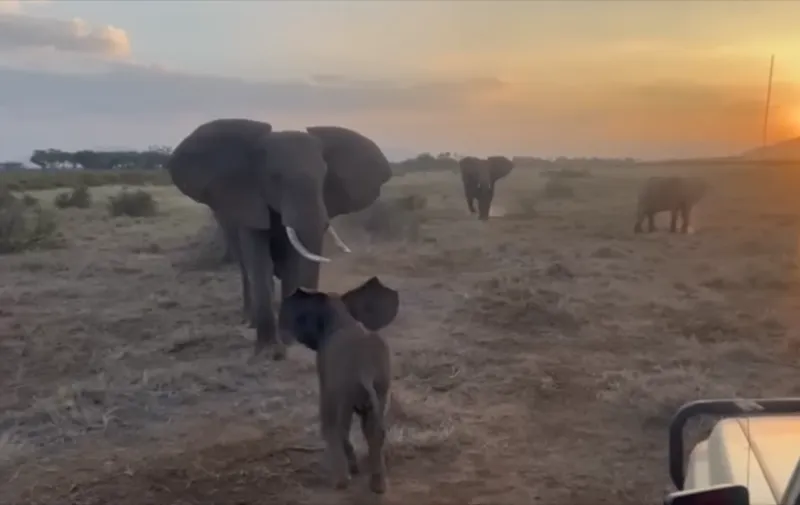
On February 11, 2026, a four-month-old elephant calf was found alone and distressed at a tourist camp in northern Kenya. This young elephant had become separated from her herd, an event that underscored the profound family connections characteristic of elephant society. After a concerted search by researchers, the calf was reunited with what was believed to be her family. The ensuing interaction provided a poignant display of elephantine social behavior, revealing the depth of their familial bonds and their commitment to mutual care.
The reunion was initiated when one elephant, identified by researchers as the calf's aunt, approached and vocalized. The calf responded immediately, triggering a cascade of emotional responses from the rest of the herd. Within moments, the entire family converged, expressing their relief and recognition through a series of rumbles and trumpets. This event, documented by a Colorado State University (CSU) report published on May 19, 2026, offered invaluable insights into the complex social structures and nurturing behaviors within elephant communities.
The Rescue and Reunion of a Lost Elephant Calf
The discovery of the disoriented calf at a Samburu tourist camp led to the involvement of a research team spearheaded by Dr. George Wittemyer, a professor at Colorado State University with nearly three decades of experience studying elephants in northern Kenya. The team's primary objective was to locate the calf's original herd within the vast Samburu National Reserve. While the precise circumstances leading to the calf's separation remain unknown, researchers meticulously worked to identify the most likely family unit.
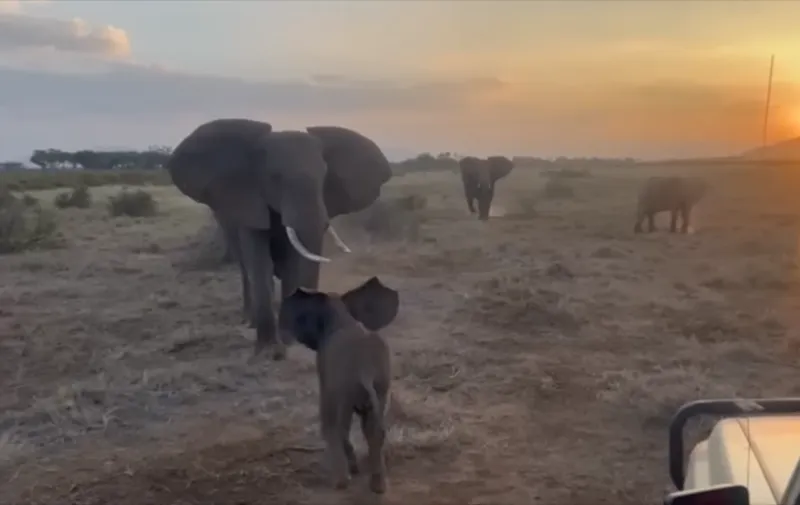 The team then carefully facilitated the calf's return, observing the herd's reaction closely. The immediate response was a clear indication of the strong social fabric that binds elephant families. Researchers noted that the calf's mother had tragically passed away from natural causes some time prior, placing the responsibility of care onto the extended family network. This network proved vital, as the calf's aunt, named Markle, who had also recently lost her own calf, readily provided nourishment. This highlights the cooperative breeding system characteristic of elephants, where multiple individuals contribute to raising young.
Vocalizations Bridge the Gap in Elephant Family Reunions
The critical moment of reunion was facilitated by vocal communication. The calf's aunt, Adelaide, emitted a distinct call, which the calf promptly answered. This auditory exchange served as the catalyst for the herd's welcoming response. Dr. Wittemyer emphasized the significance of these social bonds, stating, "Elephants are highly social, forming powerful bonds between each other that last a lifetime. Similar to our societies, these bonds make up the social fabric of elephant society and underpin the rich behaviors elephants exhibit."
 This vocal recognition is a testament to the complex communication systems elephants employ. It underscores how auditory cues play a crucial role in maintaining social cohesion and facilitating reunions, especially for young calves who are highly dependent on their social group for survival. The researchers' ability to recognize individuals and understand their relationships is a direct result of long-term, dedicated field research.
Extended Family Dynamics in Elephant Calf Rearing
Elephant society is characterized by cooperative breeding and enduring social alliances, primarily among females. Calves are raised within tight-knit matriarchal groups, where mothers receive significant support from their female relatives in protecting and nurturing the young. These deep-seated relationships, often spanning decades, are fundamental to the survival and well-being of individual elephants.
In the case of this orphaned calf, the extended family immediately assumed caregiving duties. The presence of Markle, who began nursing the calf, demonstrated the profound empathy and commitment within the herd to ensure the survival of its youngest members. This collective responsibility is a cornerstone of elephant social structure, providing a safety net for vulnerable young elephants, particularly in the absence of their mothers.
The Indispensable Role of Long-Term Elephant Research
Moments like this calf's reunion are made possible by sustained, in-depth field research in areas like the Samburu National Reserve. Dr. Wittemyer and his collaborators at Save the Elephants meticulously track elephant populations, recording births, deaths, migratory patterns, and intricate social dynamics. This comprehensive data allows for the accurate identification of individuals and a deeper understanding of family structures.
"Landscape integrity and protection is critical for the species’ survival given projections about human population growth in Africa over the next 80 years," Dr. Wittemyer noted. His work at Colorado State University also involves educating future generations on the complexities of elephant societies and the conservation challenges they face, fostering a greater appreciation for these magnificent animals.
Technological Advancements in Elephant Conservation
Modern elephant conservation efforts are significantly enhanced by the integration of advanced technologies. Researchers employ tools such as GPS collars, drones, and acoustic recorders to meticulously study elephant movement, social organization, and communication patterns across vast and often inaccessible terrains. These technologies provide critical data for identifying and protecting essential habitats and migration corridors.
GPS collars map out migration routes and reveal the movement dynamics of different family units. Drones offer a bird's-eye perspective on herd structures and behaviors. Acoustic recorders capture the rich tapestry of elephant vocalizations, with emerging research suggesting that certain calls may function akin to names, enabling individuals to specifically recognize and respond to particular herd members. Dr. Wittemyer stated, "Elephants are one of the most sentient and, therefore, relatable animals we share this planet with. But they are big and need space and resources as a result. Only with determination and foresight can we ensure the protection and survival of elephants – something I have faith we will accomplish."
Challenges and Intervention for Orphaned Calves
Despite the heartwarming reunion, the calf faced ongoing challenges. While Markle nursed her, concerns remained about milk production sufficiency for the orphaned calf. The family remained vigilant, calling out to the calf when she momentarily became separated in a dry riverbed, demonstrating their continued attentiveness.
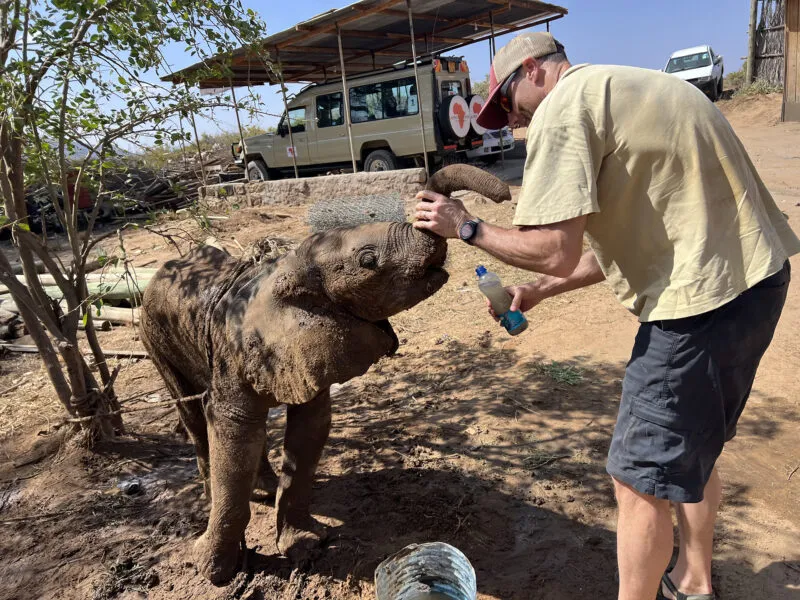
The reasons for the calf's repeated wanderings remained unclear. However, given her young age and dependence on milk, she may have struggled to keep pace with the herd or perhaps continued to seek her mother. When she was later sighted alone in a lion-populated area, conservationists intervened to ensure her safety. On February 14, the calf was transferred to the care of the Reteti Elephant Sanctuary, where she could receive specialized protection and support, highlighting the crucial role of human intervention in ensuring the survival of vulnerable young animals in the wild.