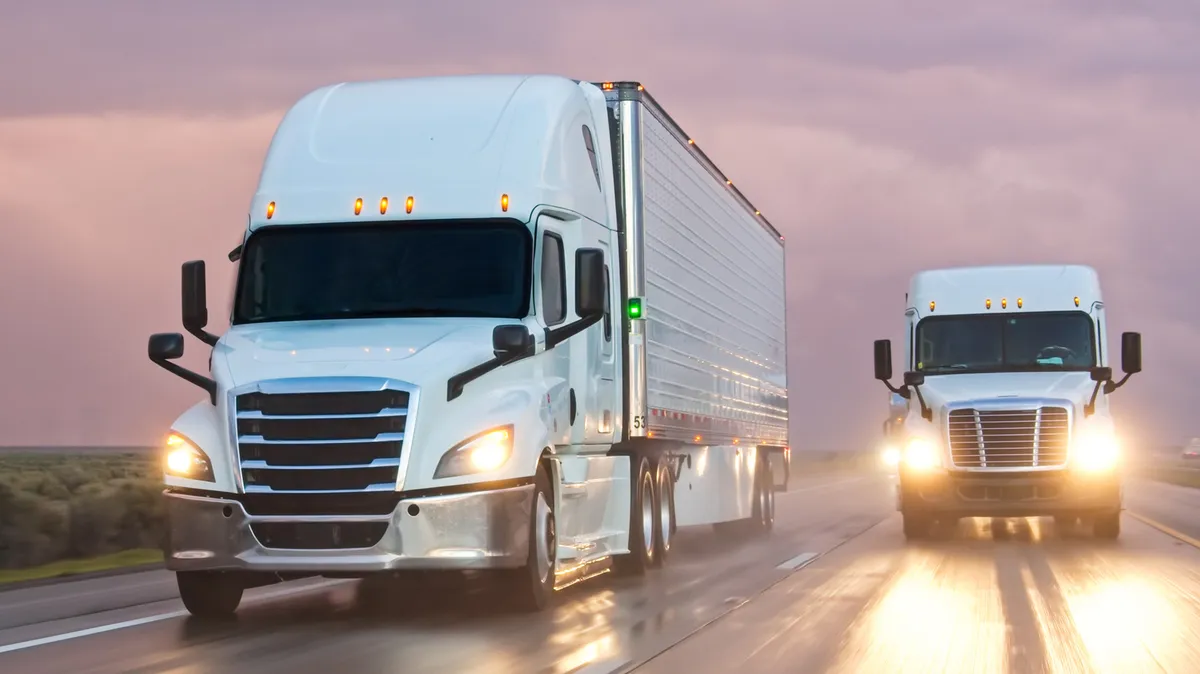
The geopolitical landscape, often perceived as distant from daily consumer choices, is demonstrating a profound and unexpected influence on the automotive market. Recent escalations in the conflict with Iran have triggered a significant surge in global fuel prices, creating a ripple effect that is compelling American consumers to reconsider their vehicle preferences. This phenomenon is inadvertently bolstering the adoption of electric vehicles (EVs), a trend that runs contrary to previous political efforts aimed at slowing their integration into the mainstream automotive sector. As drivers face the stark reality of rising gasoline and diesel costs, the economic calculus for EV ownership is becoming increasingly attractive, even as policy incentives remain a point of political contention.
This shift in consumer sentiment is particularly noteworthy given the political climate surrounding EVs in the United States. Efforts to dismantle federal incentives for EV purchases and to champion traditional internal combustion engine vehicles have been a hallmark of certain political agendas. However, the economic pressures generated by international conflicts, such as the one involving Iran, are demonstrating a potent force in overriding these political directives. Consumers, driven by the immediate need to manage household budgets impacted by volatile fuel prices, are finding the long-term savings associated with EVs to be a compelling alternative, regardless of political alignment.
The Economic Catalyst: Fuel Prices and EV Affordability
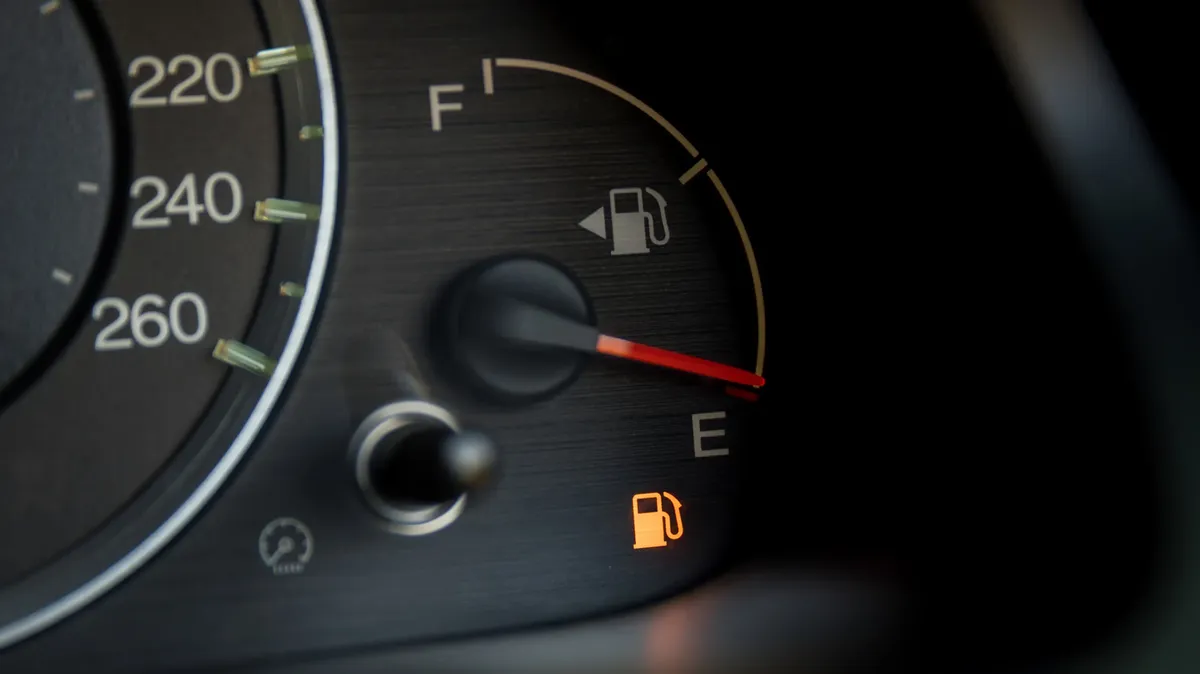
The dramatic increase in the national average price for gasoline, hovering around $4.16 per gallon, and diesel at approximately $5.31 per gallon, is fundamentally altering the cost-benefit analysis for vehicle owners. For individuals like Eric Perkins, who is undertaking a cross-country trip in his battery-powered Rivian R1 pickup while towing a substantial Airstream camper, the cost savings are substantial. His nearly 6,000-mile journey, which would incur significant expenses with a traditional fuel-powered vehicle, is costing him less than $750 for electricity. This stark contrast highlights the immediate financial advantage of EVs when traditional fuel prices escalate.
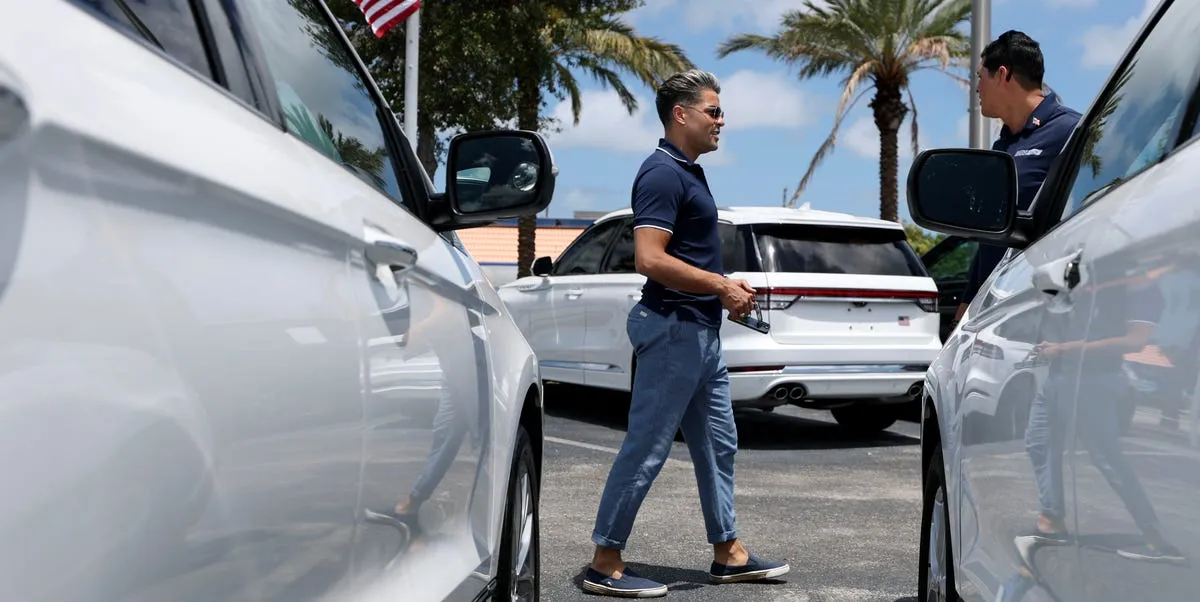
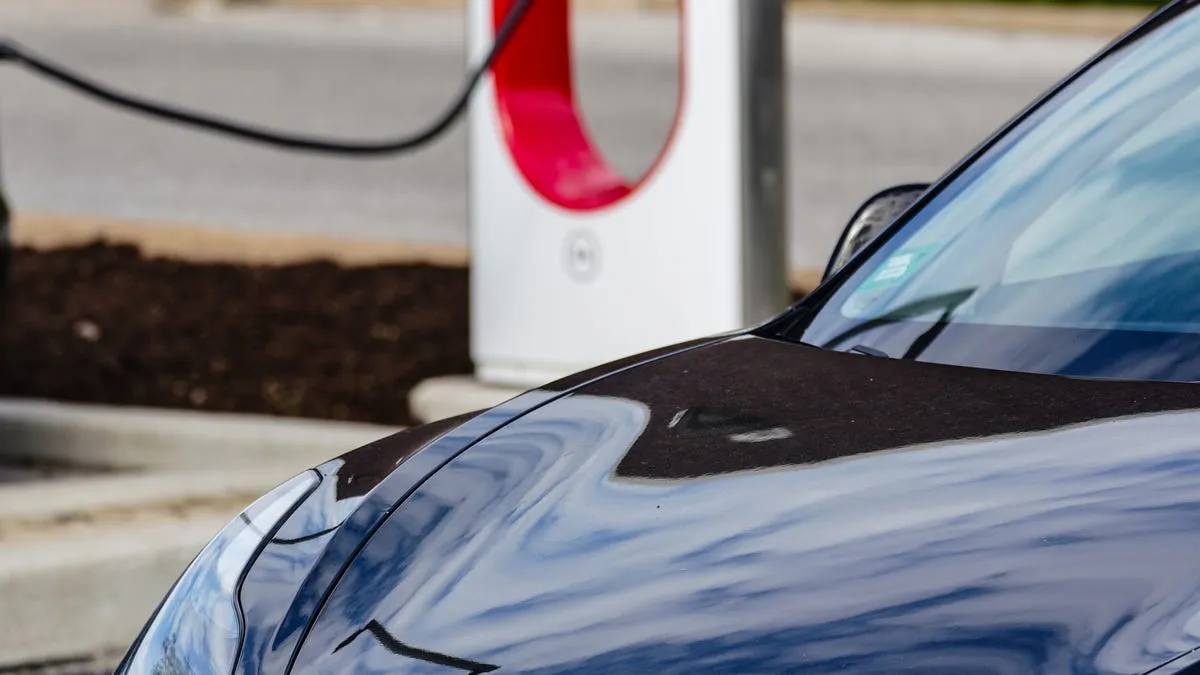
Furthermore, the used EV market is emerging as a significant factor in this trend. As affordable, off-lease Teslas become more prevalent, they are making EV technology accessible to a broader demographic. Elaine Buckberg, former chief economist at General Motors, observes that these price reductions, coupled with high fuel costs, are prompting consumers to re-evaluate their options. She notes that previously, EVs were primarily concentrated in states with strict emissions standards, but the influx of more budget-friendly used models is expanding their reach nationwide. This democratization of EV ownership is making the prospect of lower fuel bills and the experience of driving a relatively luxury vehicle for under $20,000 a tangible reality for many.
Shifting Political Narratives and Consumer Perception
Historically, EV adoption has often been viewed through a partisan lens, with ownership rates fluctuating with political affiliations. However, the current economic climate, exacerbated by geopolitical events, appears to be forging a new consensus. While former President Donald Trump's administration sought to reduce EV incentives and promote gasoline-powered vehicles, the spike in fuel prices, partly linked to the Iran conflict, is creating a paradoxical situation. Some industry experts suggest that Trump's actions may inadvertently lead to increased EV adoption, as consumers seek relief from high fuel costs.
The narrative surrounding EVs is evolving. What was once perceived by some as a political statement is now increasingly seen as a practical and economically sensible choice. The availability of used EVs at competitive price points, combined with the high cost of fossil fuels, is prompting a re-evaluation of range anxiety and performance concerns. As more consumers experience the benefits of lower operating costs and sufficient range for daily use, the perception of EVs is shifting from niche products to viable alternatives for a wider range of American households, challenging previous assumptions about consumer preference and political influence.
Technological Advancements and Practical Applications
Beyond the economic drivers, advancements in EV technology are continuously enhancing their practicality and appeal. While towing can reduce an EV's range, innovative solutions are emerging to address these limitations. Companies like Lightship RV, founded by former Tesla engineers, are developing electric campers equipped with solar panels and integrated battery packs. These campers not only reduce the strain on the towing vehicle but can also assist in extending the range and even recharging the towing EV, offering a more integrated and sustainable travel solution.
For long-distance travelers and those who frequently tow, the benefits of EVs are becoming more apparent. Eric Perkins, for example, notes the significant torque and power of his Rivian, which allows him to maintain competitive speeds even when towing his large camper. While charging stops may be more frequent than with a diesel truck, the overall experience, including the reduced noise, smoother ride, and lower operating costs, is proving to be a strong selling point. As the infrastructure for EV charging continues to expand and battery technology improves, these vehicles are becoming increasingly capable of meeting the diverse needs of American consumers, including those who rely on towing for work or recreation.
The Future Outlook: Economic Realities Shaping Automotive Trends
The confluence of geopolitical tensions leading to higher fuel prices and the maturation of EV technology is setting a new trajectory for the automotive industry. While policy and political rhetoric play a role, the fundamental economic realities of fuel costs are proving to be a powerful catalyst for change. Consumers are increasingly seeking vehicles that offer long-term savings and a more sustainable operational profile, irrespective of previous political leanings or market trends.
The market is responding to this demand with a growing variety of EV models and innovative solutions for charging and range anxiety. As more consumers experience the tangible benefits of EV ownership, particularly in the face of volatile fossil fuel prices, the transition to electric mobility is likely to accelerate. The current economic climate, driven by events such as the conflict with Iran, is serving as an unintentional yet powerful accelerant for EV adoption, reshaping the automotive landscape for years to come.
Impact Analysis
The current geopolitical situation, specifically the conflict with Iran, has triggered a significant and potentially lasting shift in the automotive market by driving up fuel prices. This economic pressure is acting as a powerful, albeit unintentional, catalyst for electric vehicle (EV) adoption in the United States, potentially negating previous political efforts to slow down EV integration. The rising cost of gasoline and diesel is forcing consumers to re-evaluate the long-term economic benefits of EVs, making them a more attractive option for a wider demographic, especially with the increasing availability of affordable used models. This trend signifies a critical juncture where economic realities are superseding political preferences in shaping consumer behavior and influencing the pace of the automotive industry's transition towards electrification. The sustained high cost of fossil fuels could lead to a more rapid and widespread adoption of EVs than previously projected, impacting manufacturing strategies, infrastructure development, and energy policies across the nation.