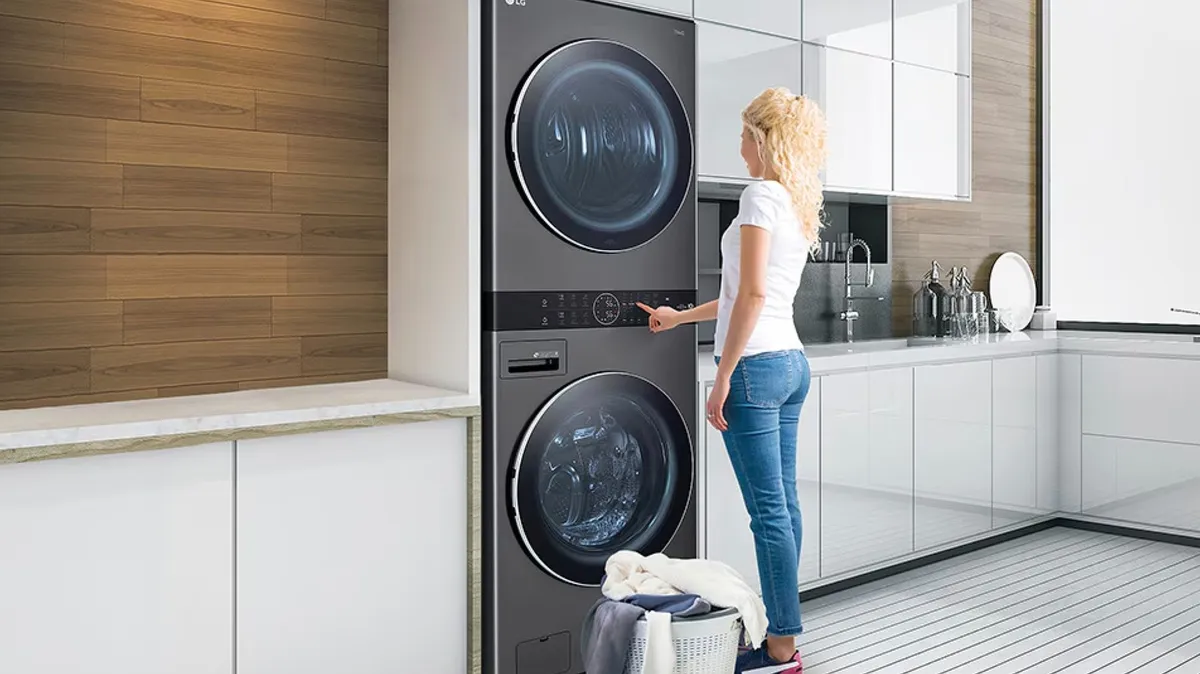
Selecting a new washing machine represents a significant household investment, extending beyond the initial purchase price to encompass installation and long-term reliability. Consumers rightfully seek appliances that offer efficient cleaning performance without becoming a source of persistent frustration. LG, a globally recognized electronics manufacturer, has established itself as a prominent brand in the home appliance market, offering a range of both top-loading and front-loading washing machines that frequently receive positive reviews and recommendations from consumer advocacy groups. However, even highly-regarded models are not entirely immune to operational challenges. LG itself acknowledges several recurring issues that owners may encounter, which are crucial for potential buyers to understand.
These potential problems vary in severity, and for some consumers, even minor inconveniences might steer them toward alternative brands. While not every LG washing machine owner will experience these issues, a consistent pattern of complaints across various models suggests that these are common challenges worth considering. The following overview details six prevalent problems associated with LG washing machines, drawing from expert evaluations, user feedback, and the manufacturer's own support documentation. Understanding these issues can empower consumers to make more informed purchasing decisions.
Common Problems Encountered with LG Washing Machines
Clothes Remain Excessively Wet and Machine Odors
A frequent concern reported by users of LG washing machines is that clothes emerge from the wash cycle still damp, necessitating additional drying time or even re-washing. This issue can be particularly inconvenient, as overly wet garments require longer periods in the dryer, potentially leading to increased energy consumption and wear on both the machine and the clothing. Some user accounts describe needing to run multiple spin cycles or repeat the entire wash process to achieve satisfactory dryness.
This problem with residual moisture may also be linked to a separate, yet commonly cited, issue: unpleasant odors emanating from the washing machine drum. Persistent dampness can foster mildew growth, leading to a musty smell that can transfer to laundry. Beyond mildew, some users have reported a distinct chemical-like odor, which they speculate could originate from machine oils or other manufacturing byproducts. This chemical smell has been described as strong and bothersome, with some individuals experiencing physical discomfort or needing to isolate their laundry area due to its intensity.
Inadequate Cleaning Performance
The primary function of a washing machine is to effectively clean clothes, and failing to do so represents a significant drawback. Numerous customer reviews and even some professional assessments indicate that LG washing machines occasionally struggle with removing stains and residues. This can manifest as clothes appearing dirtier after a wash than before, or leaving behind noticeable detergent or fabric softener traces.
Experts have noted instances where certain LG models, despite otherwise strong performance metrics, exhibited limitations in stain removal during testing. User-submitted reviews frequently echo these concerns, with individuals reporting the need for repeated washing cycles to achieve clean results. Some users have documented these issues with photographic evidence, illustrating residual dirt on laundry items. The inability to remove common odors, like perfume, after a wash cycle has also been a point of contention among users.
Excessive Wear and Tear on Garments
Washing machines are designed with varying cycles to accommodate different fabric types, with delicate settings intended to minimize stress on sensitive materials. However, some LG washing machine owners report that even standard wash cycles are excessively aggressive, leading to premature damage to their clothing. This can include issues such as pilling, shrinking, or significant stretching and twisting of fabric fibers.
Reports indicate that certain models may not use sufficient water during the wash, causing garments to rub against each other with excessive friction. This intense mechanical action can lead to rapid wear, resulting in ripped seams, frayed edges, and generally degraded fabric quality. Even consumer rating organizations, while acknowledging LG's strengths in other areas like energy efficiency, have noted lower scores for gentleness on clothes with some of their models, suggesting that the mechanical action might be too harsh for delicate items or even everyday wear.
High Noise Levels During Operation
Noise during a washing machine's operation is often expected, particularly during the high-speed spin cycle. However, many LG washing machine users report that their machines operate at levels considered unacceptably loud. This can be a significant nuisance, especially for those living in smaller homes or apartments where the laundry area is in close proximity to living spaces.
User feedback often describes loud banging, thumping, or excessive rattling sounds during the spin cycle. While LG suggests that issues like unbalanced loads or worn drum bearings could be the cause, some users feel that the noise is inherent to the machine's design or quality. Even highly-rated models have received criticism for their noise levels, suggesting that this is a widespread characteristic across various LG washing machine offerings, not necessarily indicative of a defect in every instance.
Unsatisfactory Customer Service and Warranty Support
Beyond the performance of the appliance itself, the customer service experience plays a crucial role in overall satisfaction. A recurring complaint among LG washing machine owners is the perceived unhelpfulness and inefficiency of the brand's customer support. Many users describe arduous processes when attempting to troubleshoot issues or seek repairs, involving multiple interactions with representatives who may lack the technical expertise or authority to resolve problems effectively.
Challenges in escalating issues through LG's support channels have been widely reported. Furthermore, difficulties in obtaining timely and correct replacement parts, coupled with a warranty process described as cumbersome, have led to significant frustration. Some customers report extended periods without a functioning washing machine due to these support-related obstacles, impacting their overall trust in the brand's commitment to customer satisfaction.
Methodology for Identifying Common LG Washing Machine Issues
The identification of these prevalent problems with LG washing machines is based on a comprehensive review of multiple information sources. This includes direct feedback from LG's official support documentation, which often highlights issues that are frequent enough to warrant troubleshooting guides. Additionally, expert reviews from reputable technology and consumer product testing organizations provide valuable insights into performance and potential shortcomings.
Crucially, extensive analysis of user-generated content from platforms such as retail websites (e.g., Best Buy, Home Depot) and online forums and communities (e.g., Reddit's r/Appliances) was conducted. Problems were considered common and reliable indicators of potential issues only when they appeared consistently across a significant number of reviews and discussions, indicating a pattern beyond isolated incidents. This multi-faceted approach ensures that the reported problems reflect widespread user experiences and expert observations.