








A Technical Overview of Hair Removal Technologies
Understanding Hair Removal Methodologies
The field of hair removal encompasses a broad spectrum of technologies, each engineered to address specific needs and preferences. From mechanical extraction to light-based inhibition of hair growth, a deep dive into these systems reveals their operational principles, optimal applications, and comparative advantages. Choosing an effective tool requires aligning its technical capabilities with individual physiological characteristics and grooming objectives.
Mechanical Hair Removal Systems
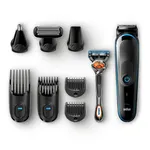
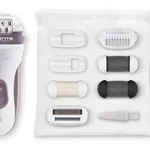
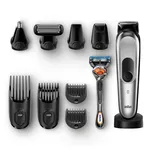
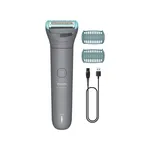
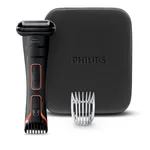
Mechanical hair removal methods primarily involve physically removing hair from the skin's surface or directly from the follicle. Among the most popular are electric devices designed for efficiency and convenience. Epilators, for instance, utilize a system of rotating tweezers to grasp and pull multiple hairs out from the root, providing smoothness that typically lasts for several weeks. Their effectiveness is often enhanced by features such as multiple speed settings and massage elements to reduce discomfort. Similarly, for rapid hair removal across larger areas, modern electric Body Groomers/Shavers employ oscillating or rotary blades to cut hair close to the skin, delivering a quick and painless trim. These devices are often waterproof and rechargeable, enhancing their utility in various grooming routines.
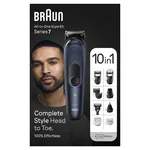
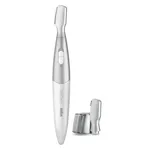
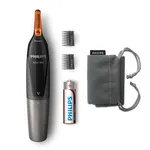
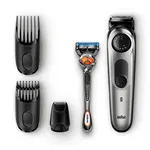
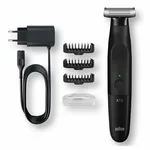
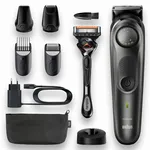
For more intricate styling and removal, specialized tools are indispensable. Precision Trimmers are designed with narrower heads and fine blades, perfect for detailing around delicate areas like eyebrows, bikini lines, or sideburns where accuracy is paramount. Their compact size allows for precise control, preventing nicks and irritation. In the realm of facial hair, Beard Trimmers are purpose-built with adjustable combs and powerful motors to manage varying beard lengths and styles, from a five o'clock shadow to a full, sculpted beard. These often come with multiple attachments for different trimming effects, from fading to clean lines. Beyond electrics, traditional cutting tools remain vital. High-quality Barber Scissors are engineered with sharp, durable blades for cutting and styling head and body hair with professional accuracy, while smaller, more delicate Facial Hair Scissors are specifically designed for trimming nose hair, ear hair, or stray eyebrow hairs, prioritizing safety and precision in sensitive areas.
Light-Based and Chemical Hair Removal
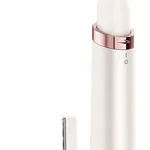
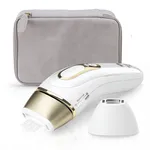
Advancements in hair removal technology extend to methods that target hair growth at a deeper level. Light Hair Removers, including Intense Pulsed Light (IPL) and at-home laser devices, work by emitting specific wavelengths of light that are absorbed by the melanin in the hair follicle. This absorption converts to heat, damaging the follicle and inhibiting future hair growth over a series of treatments. These devices are particularly effective for individuals with darker hair and lighter skin tones, as the contrast maximizes light absorption in the hair. They offer a semi-permanent solution, significantly reducing hair density and regrowth over time.
Another widely adopted method is chemical or adhesive-based removal. Waxing Kits, whether hot wax, cold wax strips, or sugar wax, function by adhering to the hair and then pulling it out from the root when the wax is removed. This process provides long-lasting smoothness comparable to epilation but can be more labor-intensive and requires careful application to minimize skin irritation. Modern kits often include pre- and post-waxing treatments to soothe the skin and reduce ingrown hairs. Understanding the technical nuances of each tool and method is crucial for optimizing personal grooming outcomes and maintaining skin health.