


A Technical Deep Dive into Health Monitor Categories
Understanding the Spectrum of Personal Health Monitoring Devices
The landscape of personal health monitors is diverse, offering specialized tools for tracking a wide array of physiological indicators crucial for comprehensive health management. Each category addresses distinct health aspects, providing users with the data needed for personalized health strategies and informed medical consultations.
Advanced Monitoring for Proactive Health
Monitoring vital signs and body composition at home has become increasingly accessible, allowing individuals to take a more active role in their well-being. From basic weight management to complex cardiac and metabolic tracking, these devices provide a continuous stream of data that was once only available in clinical settings.
Body Composition and Weight Management
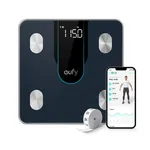
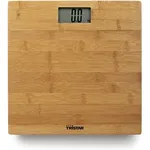
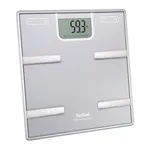
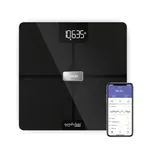
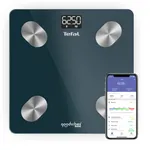
Personal Scales have evolved far beyond simple weight measurement. Modern smart scales often incorporate bioelectrical impedance analysis (BIA) to estimate body fat percentage, muscle mass, bone density, and hydration levels, providing a more holistic view of body composition. These devices frequently connect via Bluetooth or Wi-Fi to companion apps, allowing users to track trends over time and set precise wellness goals.
Cardiovascular Health Monitoring
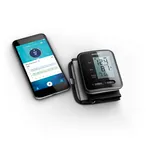
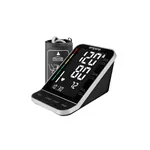
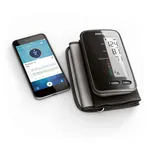
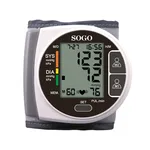
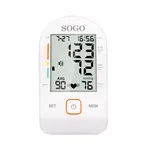
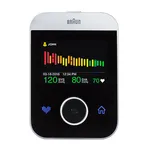
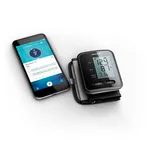
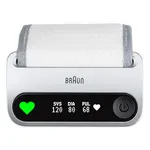
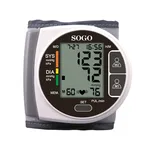
For cardiovascular health, Blood Pressure Units are indispensable. Automated oscillometric devices for upper arm or wrist measurement provide accurate readings of systolic and diastolic pressure, alongside pulse rate. Advanced models feature irregular heartbeat detection and multiple user memory, crucial for individuals managing hypertension. Similarly, Heart Rate Monitors, available as chest straps, wrist-worn devices, or integrated into smartwatches, offer continuous or on-demand heart rate data, vital for fitness enthusiasts and those monitoring cardiac rhythms.
Metabolic and Respiratory Insights
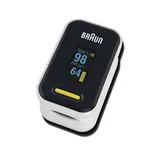
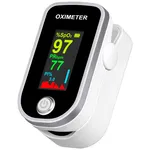
Managing metabolic conditions is streamlined with precise devices like Glucose Meters. These devices, utilizing small blood samples, provide immediate blood glucose readings, essential for individuals with diabetes to manage their diet, medication, and lifestyle effectively. For respiratory health and oxygenation levels, Pulse Oximeters offer a non-invasive method to measure oxygen saturation (SpO2) and pulse rate, particularly useful for individuals with respiratory conditions or for monitoring during physical activity.
Sleep and Lifestyle Analytics
The quality of sleep profoundly impacts overall health, making Sleep Monitors increasingly popular. These devices, which can range from under-mattress sensors to wearable trackers, analyze sleep stages (light, deep, REM), duration, awakenings, and disturbances, offering insights to improve sleep hygiene. Beyond specific conditions, general wellness and fitness are often monitored by a combination of these devices, providing a complete picture.
Detailed Body Fat Analysis
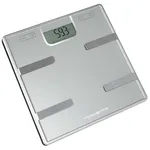
Complementing traditional scales, dedicated Body Fat Monitors offer more granular analysis of body composition. While some scales integrate this function, specialized devices might employ more advanced BIA techniques or even handheld scanners to provide detailed metrics on fat distribution and lean mass, aiding in targeted fitness and nutrition plans.
The integration of these various health monitoring tools into a cohesive personal health ecosystem empowers users with unprecedented control and understanding of their physiological state. Each category serves a unique purpose, contributing to a holistic approach to health and well-being, paving the way for more informed healthcare decisions and preventive strategies.