

In-Depth Analysis of Facial Cleansing Brush Technologies and Their Efficacy
Understanding the Core Mechanisms of Facial Cleansing Brushes
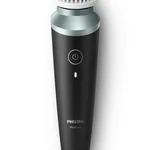
Modern facial cleansing brushes represent a significant advancement over traditional manual cleansing, leveraging precise engineering to optimize skin purification. The primary distinction lies in their mechanical action. Sonic cleansing technology, often employing high-frequency vibrations (typically hundreds of movements per second), generates fluid dynamics that create micro-currents within the water and cleanser on the skin's surface. These micro-currents are highly effective at dislodging microscopic impurities, makeup particles, and sebum from pores without causing harsh abrasion. This method is particularly lauded for its gentle yet thorough approach, suitable for a wide range of skin types, including sensitive skin. In contrast, rotational or oscillating brushes use physical movement of the brush head to sweep away debris and exfoliate. While these can offer a more intense scrub, their efficacy is highly dependent on appropriate technique to prevent over-exfoliation or irritation, especially on delicate skin.
Brush Head Materials and Their Dermatological Implications
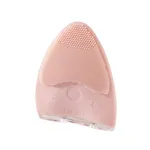
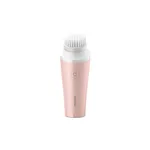
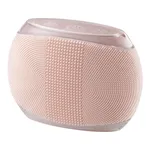
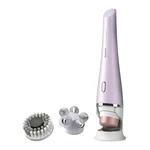
The material composition of a facial cleansing brush head is critical, directly influencing hygiene, durability, and suitability for various skin conditions. Silicone brush heads, often crafted from medical-grade, non-porous silicone, are celebrated for their exceptional hygiene profile. Their smooth surface resists bacterial growth and is easy to clean, making them ideal for acne-prone or highly sensitive skin. They offer a gentle massage and cleansing action, suitable for daily use. Bristle-based brush heads, typically made from synthetic fibers like nylon, come in varying degrees of softness and density. Finer, softer bristles are designed for sensitive or dry skin, while firmer, denser bristles are intended for oily or combination skin requiring more robust exfoliation. Regular replacement of bristle heads (every 2-3 months) is crucial to prevent bacterial accumulation and maintain optimal performance, a factor less critical with non-porous silicone alternatives.
Power Systems, Durability, and Water Resistance
The operational longevity and versatility of a facial cleansing brush are significantly tied to its power system and construction integrity. Most advanced devices utilize rechargeable lithium-ion batteries, offering cordless convenience and multiple uses per charge, with charging often facilitated by inductive technology for enhanced water resistance. The ingress protection (IPX) rating is a paramount specification; an IPX7 rating signifies that the device can be fully immersed in water up to 1 meter for 30 minutes, making it safe for use in the shower or bath and allowing for thorough rinsing under running water for hygiene. Lower IPX ratings might indicate splash resistance only, limiting usage scenarios and cleaning methods. Robust housing materials, often high-grade ABS plastics or composites, ensure durability against daily wear and minor impacts.
Advanced Features for Personalized Skincare
Beyond basic cleansing, many contemporary facial brushes incorporate advanced features designed for a highly personalized skincare experience. Multiple speed and intensity settings allow users to tailor the cleansing action to specific areas of the face or different skin concerns, from a gentle morning cleanse to a deeper evening purification. Some high-end models integrate smart technology, offering connectivity via Bluetooth to companion apps. These apps can provide guided routines, analyze skin condition using integrated sensors, or even track usage patterns to recommend optimal settings and brush head replacement schedules. Certain devices also include therapeutic light modes (e.g., red light for collagen stimulation, blue light for antibacterial effects) or microcurrent functions, expanding their utility beyond mere cleansing into a comprehensive skincare treatment tool.