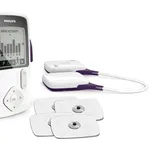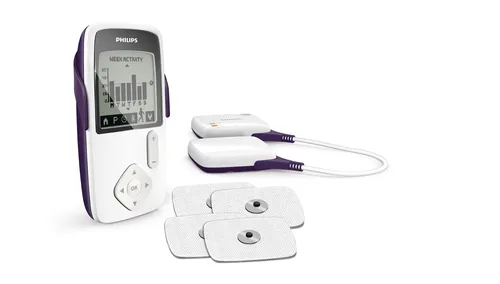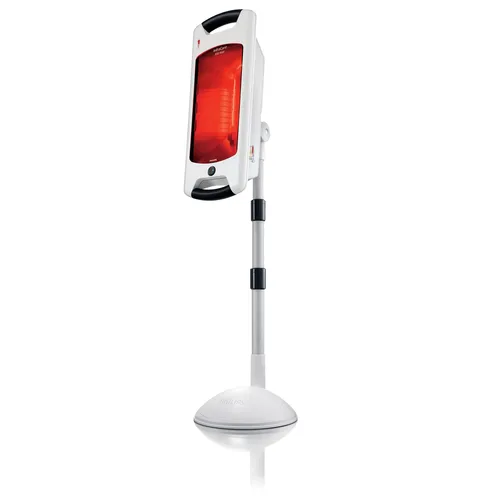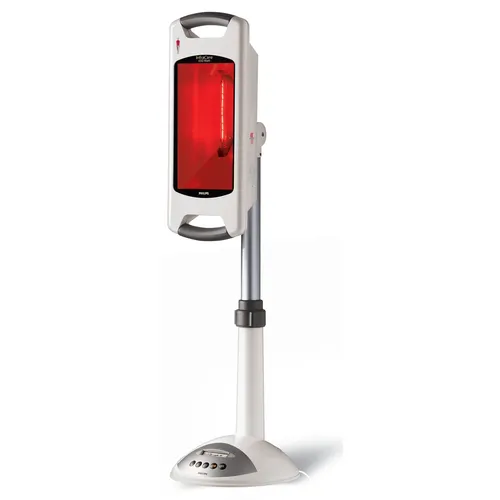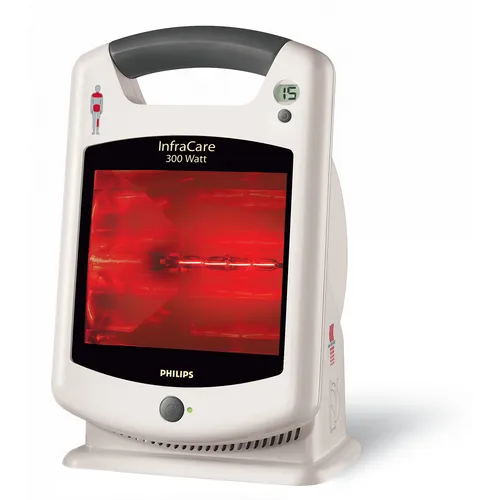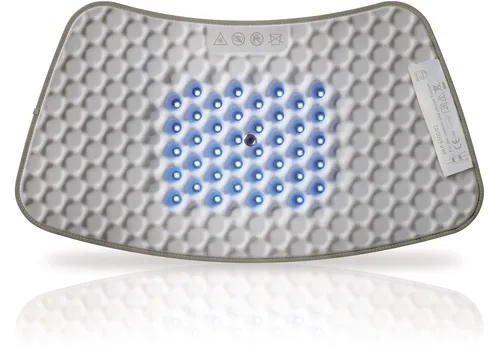


Philips BlueTouch Pain Relief Patch PRP6100/02
Specifications
Features
Features
| Blue LED wavelength |
453 nm
|
|---|---|
| Product colour |
White
|
| Pulse rate range |
50 - 60 Hz
|
Technical details
Technical details
| Medical device class |
IIa
|
|---|---|
| Rated voltage |
100 - 240 VA
|
| Absolutely natural |
Free from chemical substances
|
Power
Power
| Battery technology |
Lithium-Ion (Li-Ion)
|
|---|---|
| Rated power |
15
W
71% better than others
|
Operational conditions
Operational conditions
| Operating temperature (T-T) |
10 - 35 °C
|
|---|---|
| Storage temperature (T-T) |
-20 - 35 °C
|
| Operating relative humidity (H-H) |
30 - 90%
|
| Storage relative humidity (H-H) |
30 - 90%
|
Weight & dimensions
Weight & dimensions
| Weight |
168
g
17% better than others
|
|---|
Disclaimer: Information on this page may need review. If you notice any discrepancies, please report them

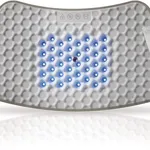
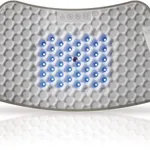
The Philips BlueTouch Pain Relief Patch PRP6100/02 represents a modern approach to localized pain management, leveraging advanced phototherapy technology to offer a non-invasive and drug-free solution. Designed for ease of use and targeted application, this device aims to provide relief from various types of muscle and joint pain. Its core functionality revolves around the application of specific wavelengths of blue light, which are understood to interact with the body's natural healing processes, potentially reducing inflammation and alleviating discomfort without the systemic side effects often associated with oral pain medications.
In a market increasingly seeking effective and safe alternatives to traditional pain relief methods, the BlueTouch patch positions itself as a premium option. Its wireless, wearable design enhances user mobility and convenience, allowing for discreet application during daily activities. The technology employed suggests a focus on precision and efficacy, appealing to consumers who are informed about therapeutic light applications and are looking for a reliable, at-home treatment. This review will delve into the technical specifications and user-centric design of the Philips BlueTouch PRP6100/02 to assess its standing within the competitive landscape of personal pain relief devices.
Philips BlueTouch Pain Relief Patch PRP6100/02: Technical Analysis
The Philips BlueTouch Pain Relief Patch PRP6100/02 operates using blue light phototherapy. While the specific details of the light wavelengths and intensity are not publicly detailed in the provided specifications, the general principle of blue light therapy in pain management often involves its anti-inflammatory and analgesic properties. The device is designed as a patch, implying a self-adhesive application directly onto the affected area, ensuring localized treatment. This form factor promotes ease of use and allows for continuous application over a specified duration, as typically recommended for such therapies.
The rechargeable nature of the device, indicated by its inclusion in the product category and typical smart device design, suggests a sustainable and cost-effective approach to pain management over time, eliminating the recurring cost of disposable consumables. The emphasis on a drug-free solution is a significant market differentiator, appealing to individuals seeking to avoid the potential side effects of analgesics or those looking for complementary therapies. The Philips brand name carries a strong association with health and wellness technology, lending credibility to the product's claims of effective pain relief.
Pros & Cons
Pros
What we love about this product
- Drug-Free Pain Relief: Utilizes blue light phototherapy, offering a non-invasive alternative to oral pain medications and their associated side effects.
- Targeted Application: The patch design ensures localized treatment directly on the area of discomfort, maximizing efficacy and minimizing impact on surrounding tissues.
- Convenient Wearable Design: Its patch format allows for discreet and comfortable wear during daily activities, promoting adherence to treatment protocols.
- Rechargeable Functionality: Implies a sustainable and potentially cost-effective solution over the long term, reducing the need for continuous purchases of disposable units.
Cons
Points to consider before buying
- Limited Wavelength Specificity: The exact specifications of the blue light wavelengths and intensity are not detailed, leaving room for variability in therapeutic outcomes compared to clinically calibrated devices.
- Area of Application: As a patch, its effectiveness is limited to smaller, localized areas, which may not be suitable for widespread or deep-seated pain conditions.
- Reliance on Rechargeability: While a pro for sustainability, it requires access to charging facilities, which could be an inconvenience during prolonged travel or in areas with limited power access.