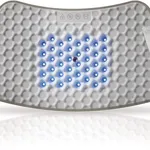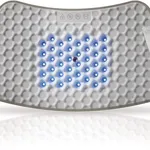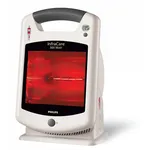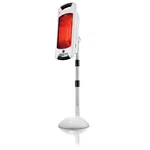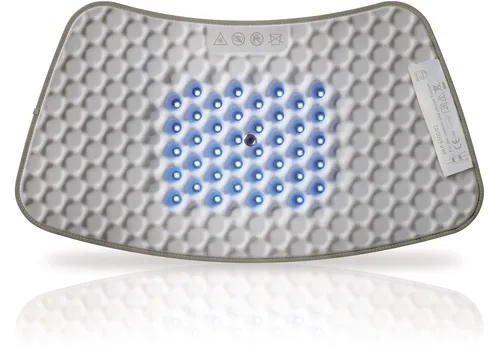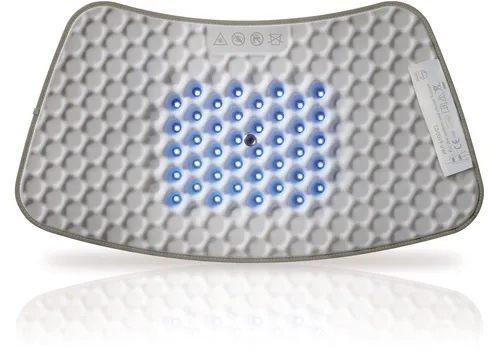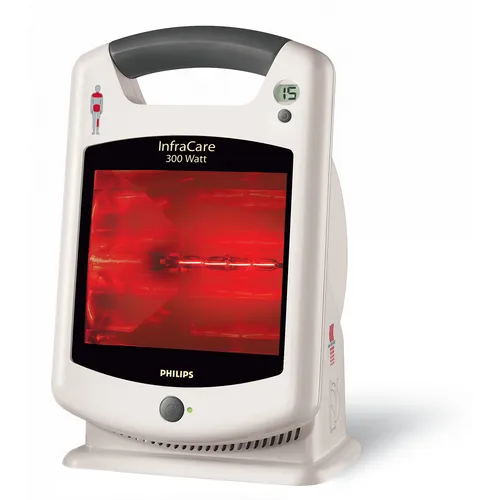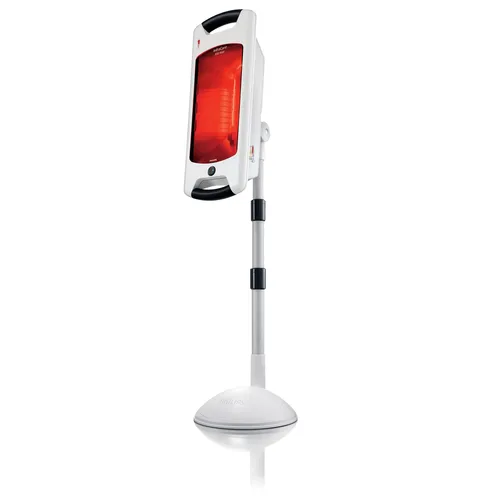


Philips PR3110/00 Transcutaneous Electrical Nerve Stimulation (TENS) Device for Pain Relief
Philips PR3110/00 Transcutaneous Electrical Nerve Stimulation (TENS) Device for Pain Relief
No stores registered at this time
Contact Us
Specifications
Features
Features
| Therapy method |
Infrared
|
|---|---|
| Built-in display |
No
33% do not have it
|
| Cable length |
2.5
m
87% better than others
|
| Product colour |
White
|
| Service life of lamp |
300 h
|
| Cord length |
250
m
22% better than others
|
| Angle |
0°
|
| Treatment area |
20 x 20 mm
|
| Certification |
IEC 60601-1, 3. Ausgabe
|
Technical details
Technical details
| Power consumption (typical) |
150
W
61% better than others
|
|---|
Power
Power
| AC input voltage |
220 - 240 V
|
|---|---|
| Auto power off |
Yes
81% have it
|
| Auto power off after |
30 min
|
| Power source |
AC
|
| Bulb power |
150
W
16% better than others
|
| AC input frequency |
50 - 60 Hz
|
| Power |
150
W
44% better than others
|
Weight & dimensions
Weight & dimensions
| Depth |
212
mm
28% better than others
|
|---|---|
| Height |
160
mm
41% better than others
|
| Diameter |
21.5
cm
39% better than others
|
| Weight |
1
g
48% better than others
|
Packaging data
Packaging data
| Quantity per pack |
1 pc(s)
|
|---|---|
| Package width |
163
mm
17% better than others
|
| Package depth |
224
mm
85% better than others
|
| Package height |
220
mm
41% better than others
|
Packaging content
Packaging content
| Manual |
Yes
58% have it
|
|---|
Logistics data
Logistics data
| Country of origin |
Hungary
|
|---|
Disclaimer: Information on this page may need review. If you notice any discrepancies, please report them

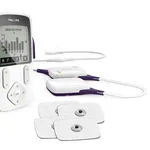
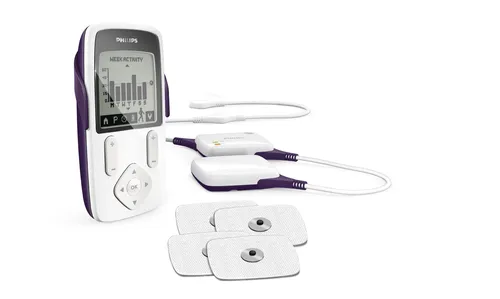
The Philips PR3110/00 represents a significant entry into the personal pain management market, offering a non-invasive, drug-free approach to alleviating chronic and acute pain. Leveraging Transcutaneous Electrical Nerve Stimulation (TENS) technology, this device aims to provide targeted relief for a variety of discomforts, from back pain and arthritis to muscle soreness. Its design prioritizes user-friendliness and portability, suggesting it's intended for both home use and on-the-go application. The core of its functionality lies in delivering controlled electrical impulses through skin surface electrodes, which are designed to interfere with pain signals sent to the brain and stimulate the body's natural pain-killing endorphins.
In a landscape increasingly focused on holistic wellness and reducing reliance on pharmaceutical interventions, the PR3110/00 positions itself as a compelling alternative. While specific technical specifications like waveform type, frequency ranges, and intensity levels are crucial for understanding its therapeutic efficacy, the Philips brand heritage suggests a commitment to quality and reliable performance. This device competes in a growing segment of the health tech industry, where innovation centers on ease of use, customizable treatment programs, and demonstrable pain reduction. Its success will likely hinge on its ability to deliver consistent, effective pain relief across a broad user base, supported by clear guidance and a robust build quality.
Pros & Cons
Pros
What we love about this product
- Drug-Free Pain Relief: Utilizes TENS technology for a non-invasive, non-addictive method of pain management.
- Targeted Application: Designed to deliver localized electrical stimulation for specific pain points.
- User-Friendly Interface: Implied ease of use for individuals seeking a simple pain relief solution.
- Portability: Compact design suggests suitability for use at home or while traveling.
Cons
Points to consider before buying
- Limited Information on Specific Parameters: Lack of detailed specifications regarding electrical output (frequency, pulse width, waveform) makes it difficult to assess therapeutic depth and customization potential.
- Requires Consumables: TENS devices typically require replacement electrode pads, representing an ongoing cost.
- Potential for Skin Irritation: As with any device adhering to the skin, there's a possibility of mild irritation for sensitive individuals.