

A Technical Guide to Optimizing Your Shaving & Hair Removal System
The efficacy and longevity of your shaving and hair removal regimen are profoundly influenced by the quality and appropriateness of its supporting accessories. Understanding the technical specifications and functional nuances of these components is essential for achieving optimal results, reducing irritation, and ensuring the enduring performance of your primary grooming tools.
Understanding Core Accessory Categories
Shaver Accessories
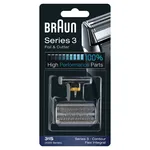
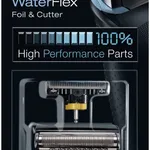
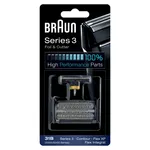
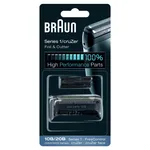
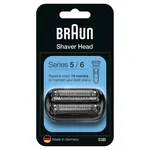
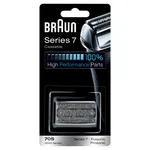
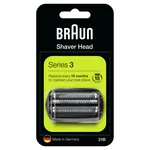
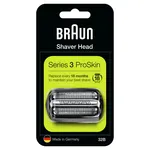
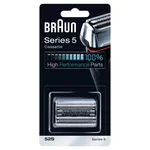
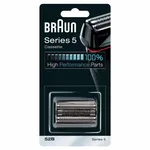
This broad category encompasses a range of components designed to maintain, enhance, and extend the life of electric shavers and clippers. Typical Shaver Accessories include replacement foil heads and cutter blocks, which are critical for maintaining cutting efficiency and hygiene. Over time, the microscopic blades and foils wear down, leading to tugging, decreased closeness, and potential skin irritation. Regular replacement, often recommended every 12-18 months depending on usage, restores peak performance. Other accessories might include cleaning solutions, lubrication oils for rotary blades, charging stands, travel cases, and specialized attachments for trimming, styling, or sensitive areas. The technical design of these accessories is precise, ensuring perfect fit and optimal interaction with the shaver's motor and housing.
Razor Blades
For manual shaving, Razor Blades are the single most critical consumable. Whether double-edge (DE) blades, cartridge systems, or straight razor blades, their primary function is to provide an exceptionally sharp, durable edge for efficient hair removal. DE blades are typically made from stainless steel, often coated with chromium, platinum, or PTFE to enhance smoothness, corrosion resistance, and longevity. Cartridge blades feature multiple blades, often progressively angled and spaced, with lubricating strips containing emollients like Aloe Vera or Vitamin E to reduce friction. The metallurgy and grinding processes employed in blade manufacturing are highly sophisticated, aiming for a balance between initial sharpness, edge retention, and resistance to dulling from repeated passes and contact with skin and hair.
Shave Brushes
A fundamental tool in traditional wet shaving, Shave Brushes are designed to exfoliate the skin, lift facial hair, and create a rich, dense lather from shaving soap or cream. The effectiveness of a brush is determined by its knot type, density, and loft. Common knot materials include badger hair (Silvertip, Best, Pure), boar bristles, horsehair, and various synthetic fibers. Badger hair, particularly Silvertip, is prized for its softness, water retention, and lathering ability. Boar bristles are firmer and offer more exfoliation, breaking in over time. Synthetics provide consistent performance, are often quicker drying, and are a good option for those seeking cruelty-free alternatives. The handle material—resin, wood, metal—impacts ergonomics and aesthetics, while the knot's epoxy setting ensures bristle retention and structural integrity.
Shaving Bowls & Mugs
These vessels serve a critical function in the traditional wet shaving process: facilitating the creation of a dense, warm lather. Shaving Bowls & Mugs are designed with specific features to optimize lathering. Materials range from ceramic, stoneware, and porcelain to wood, stainless steel, and even specialized plastics. Many bowls incorporate internal ridges, grooves, or textured bottoms, which aid in agitating the soap and air, accelerating lather generation. The size and depth are also important, providing ample space to work the brush without spillage. Heat retention is a key consideration for some users, with ceramic or stone mugs often preferred for their ability to keep lather warm during the shave, enhancing comfort and opening pores.
Razor Sharpeners
While less common for cartridge systems due to their disposable nature, Razor Sharpeners are invaluable for extending the life and maintaining the performance of double-edge blades, straight razors, and even certain electric shaver components. For straight razors, sharpening involves various grits of whetstones (hones) followed by stropping on leather or fabric to refine the edge and remove micro-burrs. Specialized razor sharpeners exist for DE blades, often using a stropping action against a silicon carbide or ceramic surface to realign the microscopic edge, significantly prolonging the blade's effective lifespan. These tools leverage principles of abrasive wear and material realignment to restore a functional cutting edge, reducing the frequency of blade replacement and contributing to a more sustainable grooming practice.
The careful selection and regular maintenance of these accessories not only elevate the shaving experience but also represent a prudent investment in the longevity and peak functionality of your overall grooming toolkit.