


Deep Dive: Engineering and Efficacy of Electric Toothbrush Heads
The Core Mechanics: Oscillating-Rotating vs. Sonic Technologies
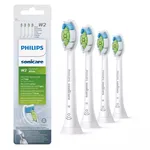
Electric toothbrush heads primarily leverage one of two distinct mechanical actions for plaque disruption: oscillating-rotating or sonic. Oscillating-rotating heads feature small, round brush heads that move back and forth, often combined with pulsating movements, to physically scrub plaque away from each tooth surface. This motion is highly effective for individual tooth cleaning and gumline access. In contrast, sonic toothbrush heads vibrate at extremely high frequencies, typically ranging from 20,000 to 40,000 brush strokes per minute. This rapid vibration creates dynamic fluid action, driving toothpaste and water into interdental spaces and along the gumline, disrupting plaque beyond direct bristle contact.
Bristle Technology and Material Science
The efficacy of an electric toothbrush head is intrinsically linked to its bristle technology. Modern bristles are predominantly made from high-quality nylon (e.g., DuPont Tynex), engineered for durability, flexibility, and hygienic properties. Key considerations include filament diameter, end-rounding, and bristle pattern. Optimal bristle end-rounding is crucial to prevent enamel abrasion and gum irritation. Bristle patterns are meticulously designed to address various cleaning needs: multi-angled bristles for comprehensive plaque removal, rubberized elements for polishing, or elongated tips for deep interdental reach. Specialized bristles, such as those infused with charcoal or polishing cups, offer enhanced surface stain removal or targeted gum massage.
Head Design and Accessibility
The physical design of the brush head significantly impacts its maneuverability and ability to reach all oral surfaces. Compact head designs are often preferred as they can access posterior teeth and other difficult-to-reach areas more effectively. Bristle tuft arrangements are also highly specialized, with patterns like "cupping" to surround each tooth, or "power tips" for cleaning around orthodontic appliances. The integration of pressure sensors in many electric toothbrushes works in conjunction with the head design, preventing excessive force application that could damage gums or enamel, ensuring the bristles maintain their optimal angle and pressure for cleaning.
The Imperative of Regular Replacement
The regular replacement of electric toothbrush heads, typically every three months or when bristles show signs of splaying, is not merely a manufacturer recommendation but a critical aspect of maintaining optimal oral hygiene and preventing bacterial accumulation. Over time, bristles fray and lose their stiffness and end-rounding integrity, drastically reducing their plaque removal efficiency. Furthermore, the moist environment of a bathroom, combined with daily use, can foster the growth of bacteria and fungi within the bristles and internal structures of the brush head, necessitating periodic replacement to ensure a hygienic cleaning instrument.
Ensuring Compatibility and Longevity
Compatibility between the electric toothbrush handle and its head is paramount. Each brand and often specific model series employs a unique coupling mechanism, such as a snap-on or screw-on design, ensuring a secure fit and efficient transfer of power from the motor to the bristles. Attempting to force an incompatible head onto a handle can result in damage to both components and compromise cleaning effectiveness. Adhering to manufacturer guidelines for head replacement and using genuine replacement heads safeguards the longevity of the toothbrush unit and guarantees the consistent, high-performance cleaning for which these devices are designed.