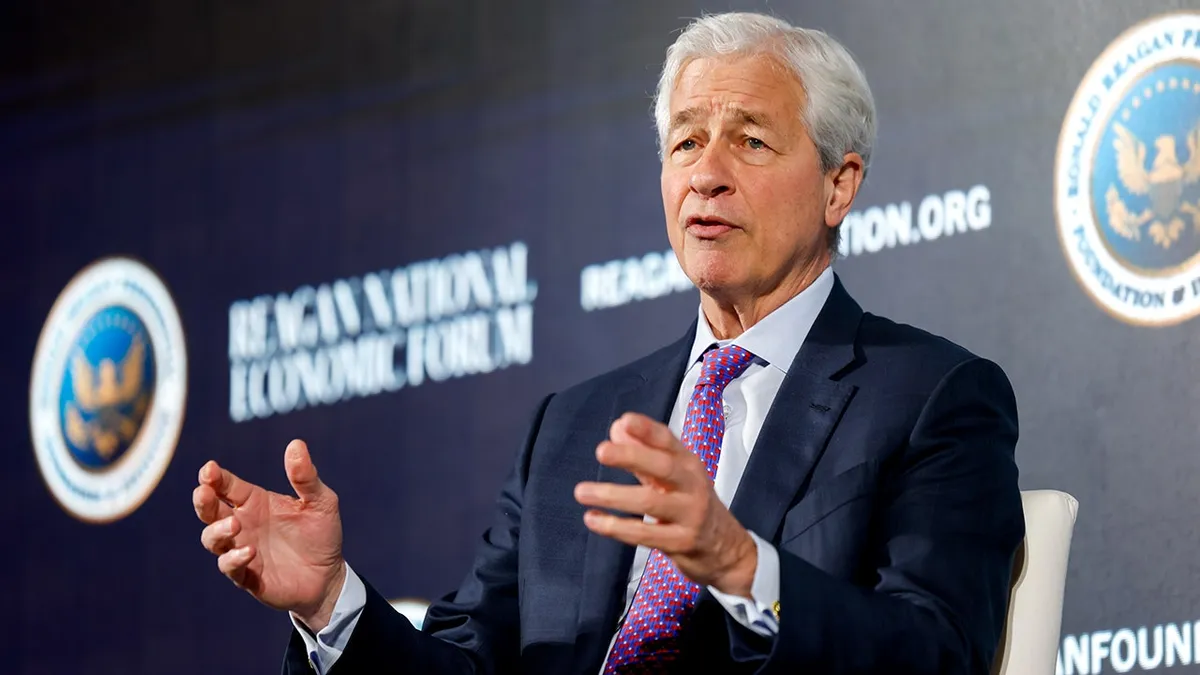
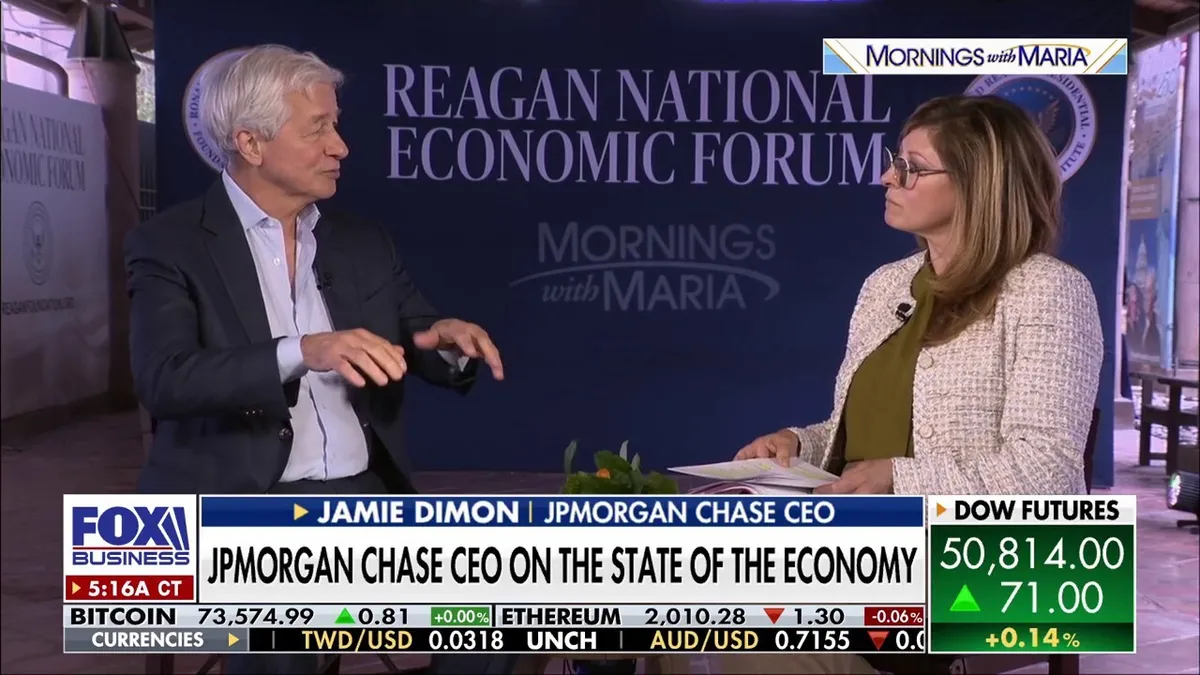
JPMorgan Chase CEO Jamie Dimon has issued a strong warning regarding the rapid growth of stablecoins and the potential regulatory gaps that could lead to significant issues within the financial system. In a recent interview with FOX Business, Dimon expressed concerns that if stablecoin issuers are not held to the same stringent standards as traditional banks, these digital assets could become a major problem, particularly for consumer protection and financial stability. He emphasized that entities handling deposits should adhere to established banking regulations, including capital requirements, AML compliance, and FDIC insurance.
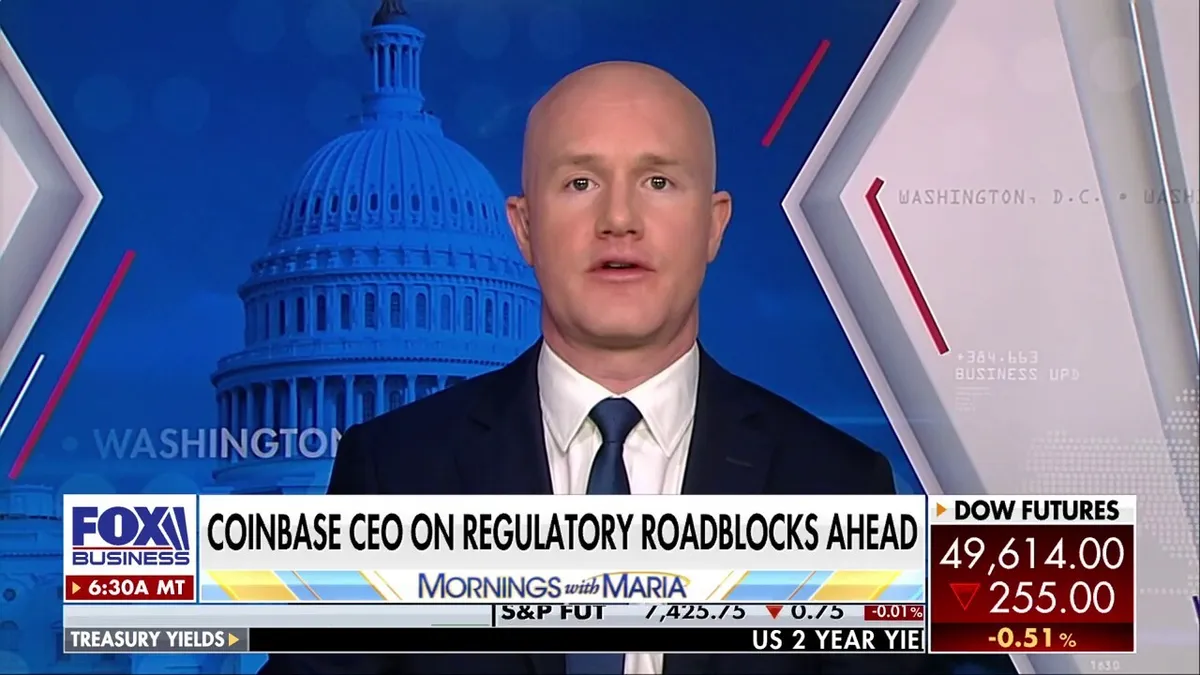
Dimon's remarks come as a crypto-friendly bill, the CLARITY Act, moves through Congress, aiming to provide a clearer regulatory framework for digital assets. However, Dimon critiqued the bill's current form, arguing that it does not sufficiently protect consumers or ensure a level playing field. He specifically called out Coinbase CEO Brian Armstrong's lobbying efforts, suggesting that the company's substantial spending on advocacy does not reflect broad consumer interests. Dimon vowed that traditional financial institutions would actively oppose legislative proposals he deems unfair to the banking sector.
Dimon's Stance on Stablecoin Regulation and Banking Parity
Dimon articulated a clear demand for regulatory parity, stating, "If he takes deposits like a bank, he should have bank rules." He detailed the extensive obligations traditional banks face, including social requirements, litigation risks, liquidity and capital mandates, and stringent anti-money laundering (AML) and transparency protocols. He contrasted this with the perceived lighter regulatory burden on some cryptocurrency platforms.
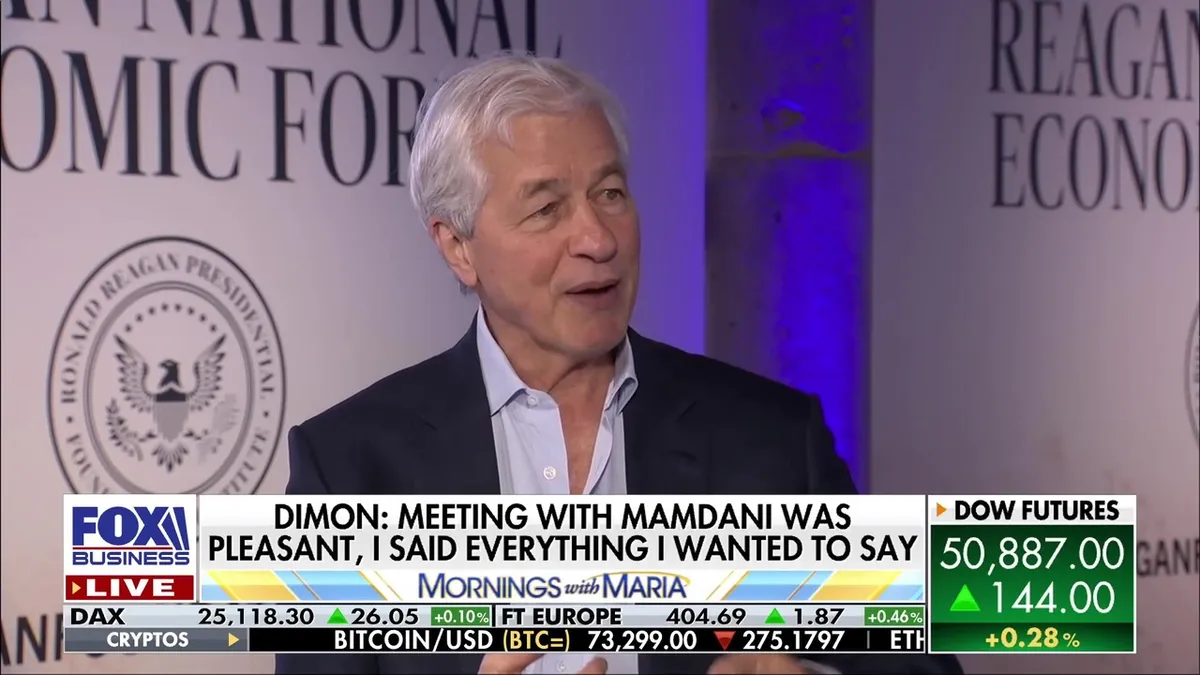 Dimon's critique extended to the lack of consumer protections like FDIC insurance on stablecoin deposits. He highlighted the obligations banks have, such as investing in branches in lower-income areas and managing relationships with numerous regulators. "We're just saying it should be fair and equal, period. Not that they can't do what they want to do," Dimon asserted, defending the right to purchase cryptocurrency but insisting on equitable regulation.
The CLARITY Act and Industry Opposition
The CLARITY Act is intended to provide much-needed regulatory clarity for the digital asset market in the United States. Proponents argue it will foster innovation and protect investors by establishing clear rules of engagement. However, Dimon's perspective suggests that the current draft may fall short of ensuring the robust safeguards he believes are essential.
 He specifically raised concerns about the bill potentially allowing stablecoin issuers to pay interest on deposits without the commensurate consumer protections. "So no, the banks will not accept it that way," Dimon stated, indicating potential resistance from the traditional banking sector to such provisions. This stance underscores the ongoing tension between the established financial industry and the burgeoning digital asset space.
Concerns Over Illicit Activity and Consumer Protection
Beyond regulatory parity, Dimon also voiced concerns about the potential for decentralized crypto networks to be exploited for illicit activities, such as money laundering and human trafficking. He explained that once funds enter decentralized wallets, particularly overseas, they can be difficult to trace through multiple transactions. "So the first one may be legitimate, [the] second one may be a sex trafficker," Dimon noted, emphasizing the complex challenges in monitoring such transactions.
 He stressed the critical need for thoughtful government oversight to prevent these risks. "If they don't do it thoughtfully… it'll be a huge problem," he warned. This perspective aligns with broader calls from regulators and law enforcement agencies for enhanced know-your-customer (KYC) and AML measures within the cryptocurrency ecosystem to combat financial crime.
Coinbase's Response and the Path Forward
In response to Dimon's comments, Faryar Shirzsad, Coinbase's chief policy officer, issued a statement emphasizing a shared goal of improving Americans' financial lives. Shirzsad stated, "Millions of Americans believe this includes preserving rewards programs and passing clear rules that protect consumers while keeping America at the forefront of financial innovation. It’s time for the Senate to bring the CLARITY Act to the floor."
 This exchange highlights the significant debate surrounding the future regulation of digital assets and stablecoins. As legislative efforts continue, the clash between traditional banking giants and crypto innovators will likely intensify, with policymakers navigating the complex task of balancing financial innovation with robust consumer and systemic risk management.