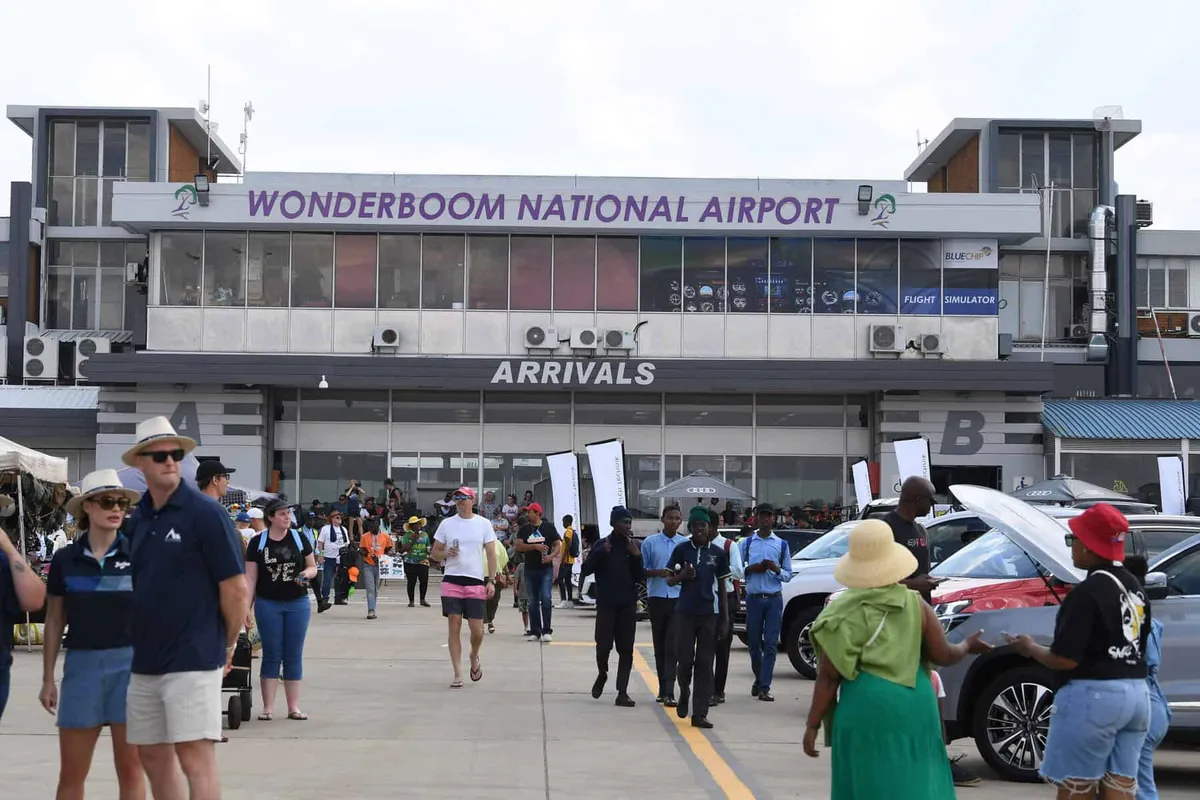
The City of Tshwane has officially begun the process to potentially rename Wonderboom Airport. This move stems from a proposal seeking to acknowledge the original Ndebele landowners of the area where the airport is situated. The City Council has approved the initiation of a public participation process, inviting residents and stakeholders to provide their input before any definitive decision is made.
The proposal, initially submitted in April 2018 and subsequently re-submitted in 2024 by Jan Mthimkhulu Mahlangu, is being evaluated under the city's Geographical Names Policy, which was adopted in 2023. The current name, 'Wonderboom', is derived from a significant historical fig tree located within the Wonderboom Nature Reserve, a tree reportedly over a thousand years old and historically linked to Voortrekker leader Hendrik Potgieter.
Background and Rationale for Renaming
Historical Significance of the Wonderboom Tree
The Wonderboom tree itself holds considerable historical and cultural significance for the region. Named by Hendrik Potgieter in 1836, it became a notable site, even associated with the commemoration of the Day of the Vow. Over centuries, the tree faced damage from natural causes and human activity, including a fire in 1870 and disease, yet its unique growth pattern, where branches took root to form new trunks, allowed it to maintain its prominent canopy.
The proposed renaming aims to extend this historical recognition beyond the tree to encompass the Ndebele people, who are considered the original inhabitants and landowners of the land where the airport currently operates. This aligns with the city's policy on geographical names, which allows for renaming to honor noteworthy individuals, commemorate significant events, or strengthen local heritage and identity.
City's Geographical Names Policy Framework
Tshwane's Geographical Names Policy provides a structured framework for considering name changes. According to Sarah Mabotsa, MMC for Economic Development and Spatial Planning, the policy supports renaming initiatives that serve to honor individuals, commemorate historical events, or reflect the cultural and historical significance of an area. The proposal to rename Wonderboom Airport aligns with these objectives, specifically aiming to recognize the historical connection of the Ndebele nation to the land.
The policy emphasizes the importance of public consultation in such matters. Therefore, the council's approval to commence a public participation process underscores the commitment to ensuring that community voices are heard and considered throughout the renaming procedure. This step is crucial for fostering inclusivity and respecting the diverse historical narratives within Tshwane.
Public Engagement and Stakeholder Input
The Public Participation Process
The commencement of the public participation process is a critical phase in the potential renaming of Wonderboom Airport. This phase is designed to gather comprehensive feedback from a wide range of stakeholders, including Tshwane residents, community leaders, historical societies, and any other interested parties. The aim is to ensure that all perspectives are considered, reflecting the democratic principles guiding municipal decision-making.
The feedback collected during this period will be vital in informing the final decision by the City Council. It allows for a thorough evaluation of the proposal's merits, potential impacts, and alignment with the community's historical and cultural understanding. This inclusive approach is intended to lead to a decision that is both historically sensitive and broadly supported.
Concerns Regarding Economic Impact
Despite the push for renaming based on historical recognition, opposition has been voiced, notably by DA mayoral candidate Cilliers Brink. Brink has expressed concerns that the renaming initiative could overshadow more pressing municipal priorities, such as service delivery, infrastructure development, and economic growth. He argues that the airport's current name is tied to a significant historical landmark, the Wonderboom tree, and that changing it prematurely could negatively impact its established brand.
Brink suggests that the focus should be on leveraging the airport as an economic asset by attracting private investment and a skilled operator to improve its financial performance, as the facility has reportedly been operating at a loss for many years. He posits that rebranding efforts should ideally follow improvements in operational efficiency and financial viability, rather than preceding them, to avoid diluting the airport's market presence.
Expert Perspectives on Renaming
Historical Justice and Reconciliation
From a historical justice perspective, renaming initiatives can be seen as an important step toward acknowledging and rectifying past injustices. Dr. Benjamin Rapanyane, a senior political lecturer at North-West University, views such changes as necessary for restoring dignity to indigenous groups displaced during historical periods, including the apartheid era. He emphasizes the symbolic importance of renaming places to reflect the original custodians of the land.
This perspective highlights the role of geographical names in shaping collective memory and national identity. By renaming the airport, the City of Tshwane could be making a tangible gesture towards reconciliation and acknowledging the historical claims and cultural heritage of the Ndebele people, contributing to a more inclusive historical narrative for South Africa.
Balancing Heritage with Economic Realities
The debate surrounding the renaming of Wonderboom Airport encapsulates a broader tension between preserving heritage and addressing economic realities. While proponents of the name change advocate for historical recognition and the honoring of indigenous land rights, opponents like Cilliers Brink prioritize economic revitalization and operational efficiency. The challenge for the City of Tshwane lies in navigating these competing interests.
Finding a balance requires careful consideration of both the cultural significance of the proposed new name and the airport's economic potential. Successful renaming processes often involve robust community engagement and a clear strategy for how the change will contribute to, or at least not detract from, the facility's economic future. The public participation process will be key in determining how these complex factors are weighed.
Impact Analysis
The potential renaming of Wonderboom Airport touches upon significant themes of historical redress, cultural identity, and municipal governance. Should the renaming proceed after public consultation, it would represent a notable step in Tshwane's efforts to acknowledge indigenous land claims and historical narratives, potentially setting a precedent for other place-name changes within the municipality. This could foster a greater sense of inclusivity and historical accuracy.
Conversely, the opposition highlights the ongoing challenge of balancing symbolic gestures with pressing economic needs. If the airport's renaming process becomes protracted or is perceived as a distraction from critical service delivery issues, it could lead to public frustration and political division. The success of this initiative will largely depend on the transparency of the public participation process and the city's ability to demonstrate how the renaming aligns with broader developmental goals, or at least does not hinder them.