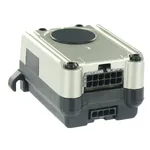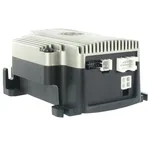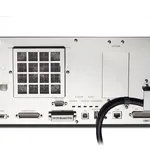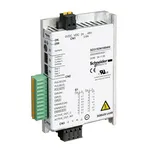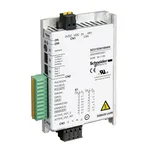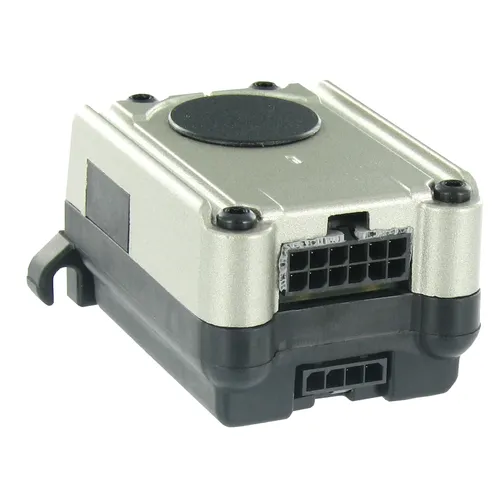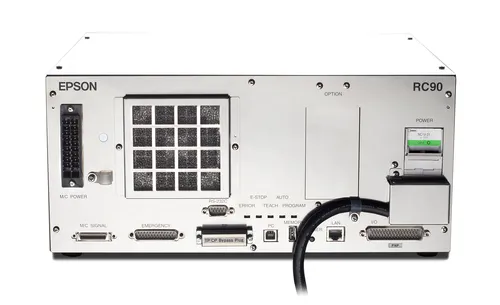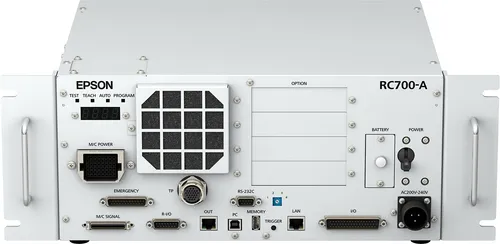


Epson R13NZ900D2 Industrial Robot Controller
Specifications
Design
Design
| Status LED indicator |
Yes
56% have it
|
|---|---|
| Brand compatibility |
Epson
|
| Certification |
RoHS: 2002/92/EC, ANSI/RIA: R15.06-1999
|
Ports & interfaces
Ports & interfaces
| Ethernet LAN |
Yes
56% have it
|
|---|---|
| USB port |
Yes
83% have it
|
| USB port type |
USB Type-A
|
| RS-232C |
Yes
63% have it
|
Power
Power
| Power consumption |
2.5 kVA
|
|---|---|
| AC input voltage |
200-240 V
|
| AC input frequency |
50 - 60 Hz
|
Weight & dimensions
Weight & dimensions
| Width |
380
mm
76% better than others
|
|---|---|
| Depth |
350
mm
31% better than others
|
| Height |
170
mm
47% better than others
|
Features
Features
| RAM capacity |
0.5
GB
89% better than others
|
|---|---|
| Maximum RAM supported |
2
GB
87% better than others
|
| Management software |
Epson RC+ 7.0
|
| Operating temperature (T-T) |
5 - 40 °C
|
| Operating relative humidity (H-H) |
20 - 80%
|
| Safety features |
AC power supply voltage reduction detection, Motor overload detection, Dynamic brake, emergency stop switch, Encoder cable disconnection error detection, Fan error detection, CPU irregularity detection, Low power mode, Memory check-sum error detection, Motor speed error detection, over-voltage, Overheat detection at the Motor Driver Module, Positioning overflow - servo error - detection, Relay welding detection, Safety door input, servo error, Speed overflow - servo error - detection, Temperature error detection
|
Technical details
Technical details
| Compliance certificates |
RoHS
|
|---|
Disclaimer: Information on this page may need review. If you notice any discrepancies, please report them

The Epson R13NZ900D2 represents a robust and capable solution within the industrial robot controller market. Designed for demanding manufacturing environments, this unit offers a compelling blend of performance and reliability, essential for automating complex tasks and ensuring consistent operational efficiency. Its architecture is built to support a wide range of Epson's advanced robotics, facilitating intricate movements and precise control necessary for applications such as assembly, inspection, and material handling.
This controller is engineered to integrate seamlessly into existing factory automation frameworks, providing the processing power and connectivity required for sophisticated robotic operations. The focus on industrial-grade performance means it's built to withstand challenging conditions, ensuring uptime and reducing the total cost of ownership for businesses investing in automation. Understanding its specifications is key to unlocking its full potential in optimizing production lines and achieving higher levels of precision and throughput.
Core Functionality and Performance
At its heart, the R13NZ900D2 is designed to manage the intricate coordination of robotic arms and end-of-arm tooling. While specific processor and memory details are not provided, its classification as an industrial robot controller implies a powerful internal architecture capable of real-time processing, complex motion planning, and handling multiple sensor inputs simultaneously. This ensures that robots connected to this controller can execute tasks with speed and accuracy, crucial for high-volume production environments. The controller's firmware and software capabilities are central to its value, enabling advanced programming, diagnostics, and integration with higher-level supervisory systems.
Connectivity and Integration
Effective integration is paramount in industrial automation. The Epson R13NZ900D2 is expected to feature a comprehensive suite of communication interfaces. These typically include industrial Ethernet protocols (such as EtherNet/IP, PROFINET), serial communication ports (RS-232/485), and potentially I/O interfaces for connecting to PLCs, sensors, and other factory equipment. This broad connectivity allows for flexible deployment within diverse automation architectures, enabling centralized control and data acquisition. Its ability to communicate effectively with other machines and systems is a critical factor in building smart, interconnected factories.
Pros & Cons
Pros
What we love about this product
- Industrial Grade Reliability: Built to withstand demanding operational environments, ensuring consistent performance and minimal downtime in manufacturing settings.
- Advanced Motion Control: Capable of managing complex robotic movements with high precision and repeatability, supporting sophisticated automation tasks.
- Broad Integration Capabilities: Expected to offer comprehensive connectivity options for seamless integration with other industrial equipment, PLCs, and supervisory systems.
- Epson Ecosystem Compatibility: Designed to work optimally with Epson's range of industrial robots, leveraging the manufacturer's expertise in robotics for synergistic performance.
Cons
Points to consider before buying
- Limited Public Specification Detail: Key performance metrics such as processor speed and memory capacity are not readily available in the provided information, making direct performance comparisons challenging.
- Potential Vendor Lock-in: As an Epson-specific controller, integration with non-Epson robotic hardware might be limited or require specialized interfaces.
- Requires Expert Programming: Maximizing the potential of this controller necessitates skilled personnel for setup, programming, and maintenance, representing a significant investment in expertise.