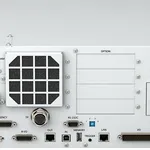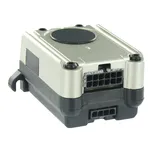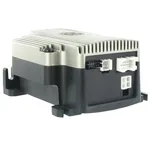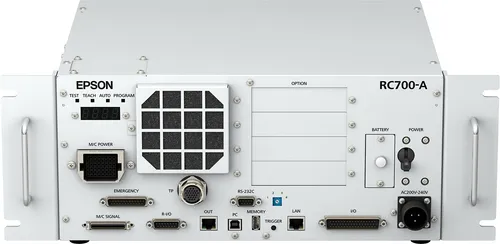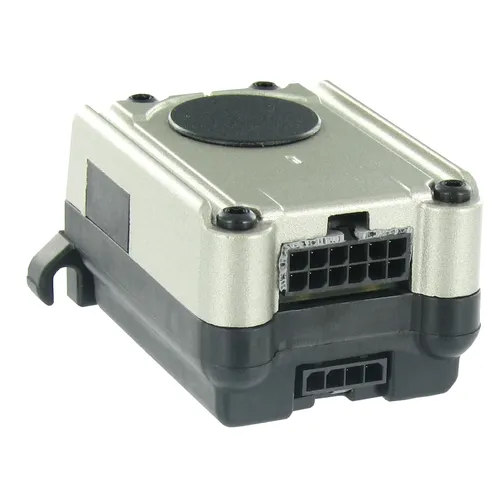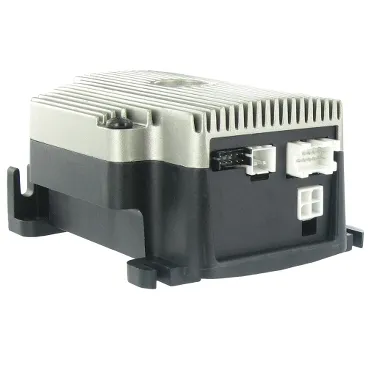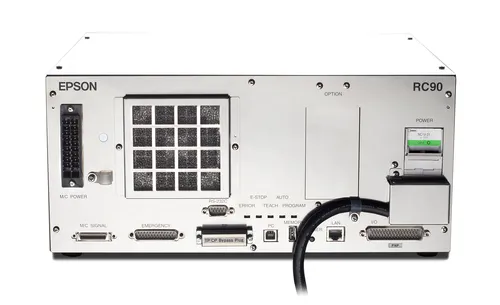


Epson 2182307 Industrial Robot Controller
Specifications
Design
Design
| Status LED indicator |
Yes
88% have it
|
|---|---|
| Certification |
RoHS: 2002/92/EC, ANSI/RIA: R15.06-1999
|
Ports & interfaces
Ports & interfaces
| Ethernet LAN |
Yes
87% have it
|
|---|---|
| USB port |
Yes
68% have it
|
| RS-232C |
Yes
94% have it
|
Weight & dimensions
Weight & dimensions
| Package width |
225
mm
42% better than others
|
|---|---|
| Package depth |
383
mm
48% better than others
|
| Package height |
83
mm
92% better than others
|
| Package weight |
926
g
25% better than others
|
Features
Features
| Operating temperature (T-T) |
5 - 40 °C
|
|---|---|
| Operating relative humidity (H-H) |
20 - 80%
|
Technical details
Technical details
| Compliance certificates |
RoHS
|
|---|
Disclaimer: Information on this page may need review. If you notice any discrepancies, please report them

The Epson 2182307 Industrial Robot Controller represents a significant advancement in automated manufacturing, offering robust control capabilities for a wide array of Epson's industrial robotic systems. Designed for precision, reliability, and ease of integration, this controller is engineered to meet the demanding requirements of modern production lines. Its sophisticated architecture facilitates complex motion planning, high-speed trajectory execution, and seamless communication with peripheral devices, making it an ideal choice for applications ranging from intricate assembly to heavy-duty material handling.
In a competitive landscape of industrial automation solutions, the Epson 2182307 stands out for its powerful processing capabilities and comprehensive feature set. It is built to handle the intricate logic and real-time demands of advanced robotics, ensuring optimal performance and productivity. The controller's intuitive programming environment and extensive connectivity options streamline deployment and maintenance, reducing downtime and accelerating time-to-market for new automated processes. This dedication to user-friendliness, coupled with uncompromising performance, positions the 2182307 as a cornerstone for businesses looking to enhance their operational efficiency and achieve superior manufacturing outcomes.
Key Features and Performance
At its core, the Epson 2182307 is powered by advanced processing hardware designed for rapid computation and low latency. This enables it to manage multiple axes of motion with exceptional accuracy and synchronization. The controller supports a broad spectrum of Epson robots, ensuring compatibility and facilitating upgrades or expansions of existing robotic cells. Its memory capacity and processing speed are optimized for handling large programs and complex data sets, which is crucial for sophisticated pick-and-place operations, intricate welding, or precise dispensing tasks.
Integration and Connectivity
Seamless integration into existing factory automation networks is a hallmark of the Epson 2182307. It typically features a range of communication protocols, including Ethernet/IP, Profinet, and serial communication, allowing for easy connection to PLCs, vision systems, and other factory floor equipment. The controller's robust I/O capabilities provide ample points for sensor integration and actuator control, further enhancing its versatility. The programming interface is designed for efficiency, allowing engineers to develop, test, and deploy robot programs with minimal effort.
Pros & Cons
Pros
What we love about this product
- High-Performance Processing: Engineered with advanced hardware for rapid computation and low-latency motion control, crucial for complex and high-speed robotic applications.
- Broad Robot Compatibility: Supports a wide range of Epson industrial robots, offering flexibility for system design and scalability.
- Extensive Connectivity Options: Features multiple industrial communication protocols (e.g., Ethernet/IP, Profinet) for seamless integration into existing automation networks and peripheral devices.
- Robust I/O Capabilities: Provides ample digital and analog I/O for comprehensive sensor integration and actuator control, enhancing operational flexibility.
- Intuitive Programming Environment: Designed to streamline the development, testing, and deployment of robot programs, reducing engineering time and effort.
Cons
Points to consider before buying
- Proprietary Ecosystem Dependence: Primarily designed for Epson robots, which may limit integration flexibility with non-Epson robotic hardware.
- Potential for High Initial Cost: High-end industrial controllers often represent a significant capital investment, requiring careful ROI analysis.
- Learning Curve for Advanced Features: While user-friendly, mastering its full potential for highly complex tasks may require specialized training or significant engineering expertise.