


Navigating Advanced Retail Anti-Theft Technologies
Understanding Retail Store Security & Anti-Theft Equipment
Modern retail environments demand sophisticated security solutions to combat the persistent challenge of theft, which impacts margins and operational efficiency. The strategic deployment of anti-theft equipment extends beyond simple deterrence, encompassing advanced detection, real-time monitoring, and efficient merchandise management. A holistic security strategy often integrates multiple technologies to create layered protection, addressing various theft vectors from shoplifting to organized retail crime.
EAS Anti-Theft Systems
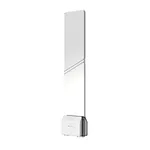
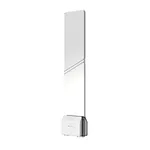
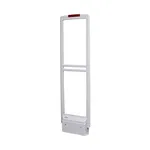
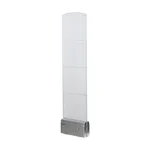
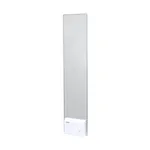
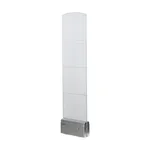
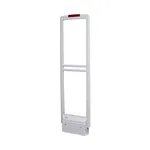
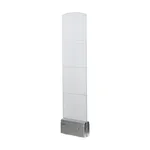
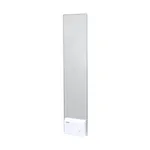
Electronic Article Surveillance (EAS) systems form the backbone of many retail security strategies, providing a powerful deterrent against shoplifting. These systems typically consist of pedestals or antennas placed at store exits, which detect specialized tags or labels attached to merchandise. When an active tag passes through the detection zone without being properly deactivated or removed, an alarm is triggered. The two primary technologies within EAS are Acousto-Magnetic (AM) and Radio-Frequency (RF). AM systems are known for their high detection rates and resistance to interference, often used for larger stores and a wide range of merchandise. RF systems, while generally more cost-effective, offer versatility with smaller tags and labels, suitable for diverse product lines. Proper placement and calibration of EAS systems are critical to minimize false alarms and ensure consistent performance, making them indispensable for protecting high-value items and managing overall inventory security.
Label Deactivators
Integral to the smooth operation of EAS systems, label deactivators are essential tools for ensuring a positive customer experience at the point of sale. These devices electronically neutralize EAS labels embedded in or affixed to merchandise, allowing customers to exit the store without triggering an alarm. Deactivators are typically integrated into checkout counters, often beneath the scanner surface or as standalone units, enabling cashiers to quickly and efficiently process purchases. The speed and reliability of label deactivation directly impact checkout efficiency and customer satisfaction. Advanced deactivators can process multiple items simultaneously and are designed for rapid throughput, preventing bottlenecks during peak hours. Ensuring that deactivators are regularly maintained and calibrated is crucial to prevent active labels from leaving the store, which can lead to frustrating false alarms for legitimate customers and security breaches.
Security Tag Detachers
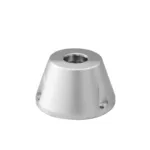
Unlike disposable labels, hard security tags are robust, reusable devices attached to merchandise and require specialized tools for removal. Security tag detachers are powerful magnetic or mechanical devices used exclusively by authorized personnel at the point of sale to unlock and remove these tags. The effectiveness of hard tags lies in their strong attachment mechanisms, which deter unauthorized removal and require significant force or specific tools to overcome. There are various types of detachers corresponding to different tag designs, including magnetic detachers for magnetic-lock tags and mechanical detachers for pin-based or other locking mechanisms. Standardization of tags and detachers within a store or chain simplifies training and operational processes. The secure storage and control of detachers are paramount, as unauthorized access could compromise the entire security system. Properly trained staff and a clear protocol for tag removal are essential to leverage the full benefits of hard tags while maintaining a seamless checkout experience for customers.