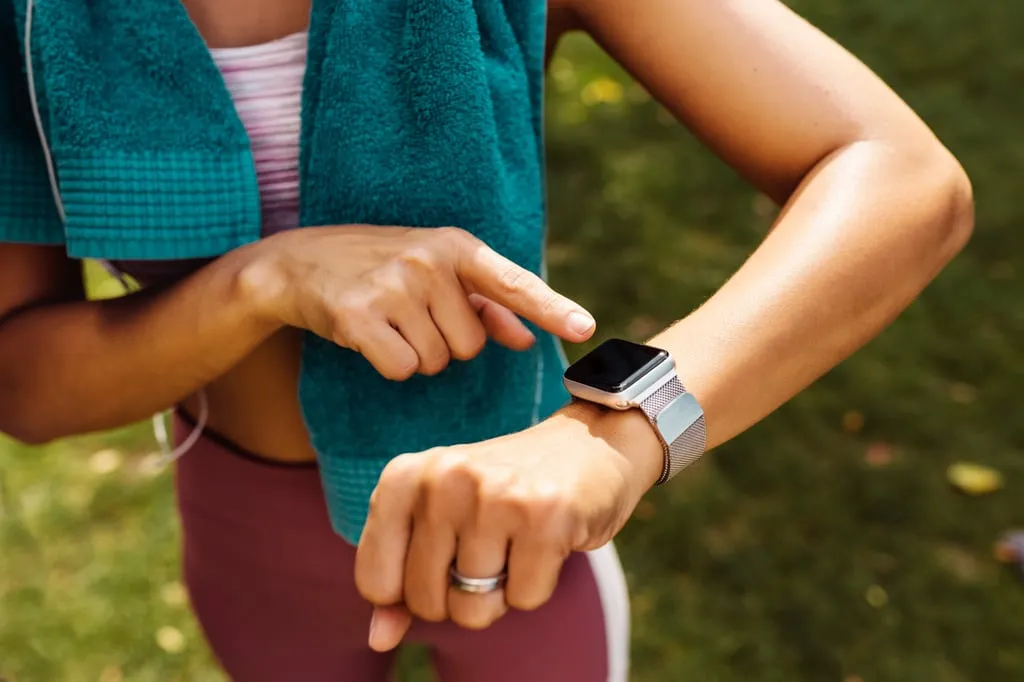
The Apple Watch's ability to display glucose readings is a frequently discussed topic, but it's crucial to distinguish between its current functionality and the long-term aspiration of direct, noninvasive blood sugar measurement. Presently, the Apple Watch can showcase glucose data exclusively when paired with compatible continuous glucose monitoring (CGM) systems. The device itself does not possess the capability to measure blood glucose levels, and importantly, Apple has not secured FDA clearance for any form of wrist-based glucose monitoring. This distinction is vital for consumers and healthcare professionals alike, as it clarifies the device's role as a display interface rather than an independent diagnostic tool.
The ongoing interest in Apple Watch glucose monitoring stems from the significant public health challenge posed by diabetes and prediabetes. Updated CDC data estimates that over 115 million U.S. adults have prediabetes, and a substantial number of those with diabetes remain undiagnosed. This widespread prevalence underscores the immense market potential for simpler, more accessible glucose tracking methods. While Apple's ambitions in this area are clear, the path to achieving noninvasive glucose measurement is fraught with considerable clinical, technical, and regulatory hurdles.
Advancements and Challenges in Noninvasive Glucose Sensing
Reports suggest a re-evaluation of Apple's long-standing project focused on noninvasive glucose monitoring, with oversight reportedly shifting to a senior engineering leader within Apple’s Advanced Technologies Group. This internal restructuring highlights the project's continued development, even as a market-ready product remains elusive. Simultaneously, Apple's machine learning researchers have published work exploring the estimation of cardiovascular biomarkers using photoplethysmography (PPG) signals. While this research is pertinent to noninvasive biosensing, it is distinct from glucose monitoring. PPG analyzes optical signals to infer changes in blood flow and cardiac function, whereas glucose monitoring requires estimating concentration through tissues, a process complicated by factors like hydration, temperature, and sensor calibration drift.
The fundamental challenge in noninvasive glucose sensing lies in accurately detecting glucose concentrations through the skin without requiring any bodily fluid extraction. Current wearable technology, including devices from Apple and Garmin, operates by displaying data transmitted from separate, FDA-cleared CGM sensors. These sensors, like the Dexcom G7 or Abbott's FreeStyle Libre 3, are inserted under the skin to directly measure glucose. The performance of these devices is often quantified using the Mean Absolute Relative Difference (MARD) metric, with leading CGMs achieving MARD values around 8%. In contrast, noninvasive prototypes have historically shown much higher MARD percentages, typically between 15% and 25%, indicating significantly lower accuracy and reliability for direct measurement.
Regulatory Landscape and Consumer Warnings
The U.S. Food and Drug Administration (FDA) has issued explicit warnings to consumers regarding smartwatches and smart rings that falsely claim to measure blood glucose without skin penetration. The agency emphasizes that no such devices have received FDA authorization, clearance, or approval for this purpose. The potential for inaccurate readings from unverified devices could lead to dangerous errors in diabetes management and treatment, posing a serious risk to user health. Any future Apple Watch feature purporting to measure or estimate glucose would necessitate rigorous clinical validation and subsequent FDA review to ensure safety and efficacy.
The regulatory environment for glucose monitoring is also evolving. The recent FDA clearance of the Dexcom Stelo system as the first over-the-counter (OTC) continuous glucose monitor marks a significant step in expanding accessibility beyond prescription-only devices. This development could pave the way for broader consumer adoption of CGM technology, contingent on adherence to established safety and performance standards. While technological advancements are promising, regulatory bodies remain cautious, prioritizing patient safety above all when evaluating new health monitoring tools.
Future Outlook and Enterprise Considerations
The rollout of new health features in consumer electronics, such as recent expansions in Apple Watch and AirPods capabilities, has sometimes been phased by region, indicating that hardware availability alone does not dictate product launch. This suggests that even if noninvasive glucose sensing technology matures, its introduction might follow a similar geographical or market-specific strategy. The broader implications extend to enterprise wellness programs, which would need to establish clear guidelines and interpretative frameworks for glucose trend data, particularly for individuals without diagnosed diabetes, before widespread adoption of such technology in non-clinical settings.
For organizations requiring dependable metabolic health data, established and cleared CGM options currently represent the most reliable and clinically validated solutions. While Apple's research into noninvasive biosensing is noteworthy and indicative of future possibilities, it does not yet translate into a commercially available product for direct glucose measurement. The consumer and medical device markets will continue to watch these developments closely, awaiting tangible proof of accuracy and regulatory approval before such technology can be integrated into routine health management.
Impact Analysis
The pursuit of noninvasive glucose monitoring by major technology companies like Apple carries significant implications for diabetes management, preventative health, and the broader digital health market. Should Apple or a competitor successfully develop and gain FDA approval for a wrist-based noninvasive glucose sensor, it could revolutionize how millions manage diabetes, potentially improving adherence to treatment plans and reducing the burden of daily finger pricks or sensor insertions. This would likely accelerate the integration of continuous health monitoring into daily life, driving further innovation in wearable technology and personalized medicine. However, the path is challenging, requiring breakthroughs in sensor technology, sophisticated algorithms to interpret complex biological signals, and rigorous clinical validation to meet stringent regulatory standards. The FDA's cautious approach, exemplified by its warnings, underscores the critical need for proven accuracy and safety before such technologies can be widely adopted, particularly in the absence of clear industry-wide standards for interpreting non-diagnostic glucose data.