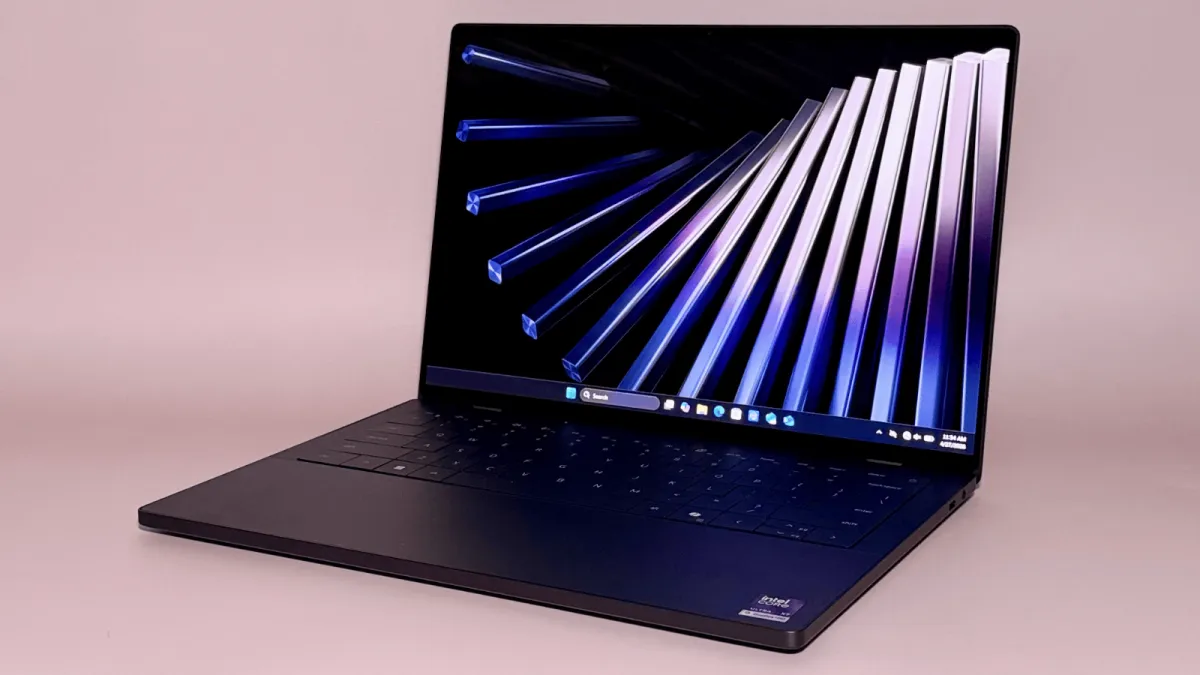
The global shortage of Random Access Memory (RAM) and other critical computing components is forcing significant price adjustments across the personal computer market. Dell has become the latest major manufacturer to implement substantial price increases on select configurations of its premium XPS 14 laptop. These revisions, observed since the product's launch earlier this year, reflect a strategic response to volatile supply chain dynamics and escalating material costs. A Dell spokesperson indicated that the company is actively managing this challenging environment by leveraging its scale, distribution model, and established supplier relationships to mitigate impacts and continue offering value to consumers.
Previously retailing at a starting price of $1,599.99, the Dell XPS 14 has seen its entry-level configuration jump to $1,889.99. This represents a notable increase of $290, bringing the cost of a system featuring an Intel Core Ultra 5 325 processor, 16GB of RAM, and a 512GB solid-state drive (SSD) considerably higher. This price adjustment aligns with a wider industry trend where manufacturers are compelled to pass on increased component expenses to consumers, impacting the affordability of high-performance computing devices.
Dell XPS 14 and XPS 16 Price Adjustments
The upward price trajectory is not limited to the base model of the XPS 14. A configuration equipped with the Intel Core Ultra 7 355 CPU, while maintaining the same 16GB RAM and 512GB SSD specifications, now costs $1,989.99. This is an increase from its previous $1,699.99 price point, another $290 hike. 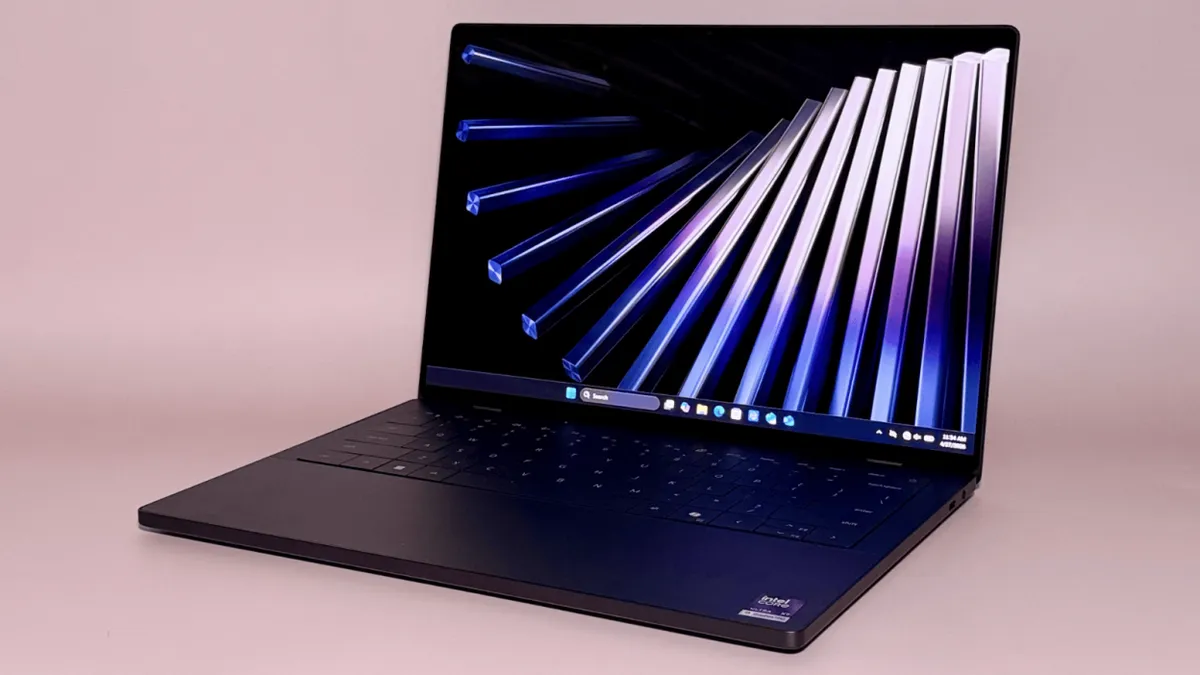 The most significant price escalation is observed in a premium XPS 14 variant. This top-tier model, featuring the Intel Core Ultra X7 358H CPU, Intel Arc B390 graphics, 32GB of RAM, a 1TB SSD, and an OLED touchscreen display, now commands a price of $2,879.99. This marks an increase of $680 from its launch price of $2,199.99, underscoring the substantial impact of component costs on high-end consumer electronics.
While the XPS 14 has faced these increases, the larger Dell XPS 16 model appears to have more stable pricing, although some fluctuations have been noted. For instance, the base model was briefly listed at $2,279.99, a $240 increase from its initial $2,039.99 starting price, before reverting to the lower price by late May. This suggests a dynamic pricing strategy employed by Dell to navigate market conditions.
Industry-Wide Component Shortages and "RAMageddon"
The underlying driver for these escalating prices is the global shortage of essential computing components, particularly RAM and SSDs. This phenomenon, often termed "RAMageddon," is largely attributed to the immense demand from the burgeoning artificial intelligence (AI) sector. 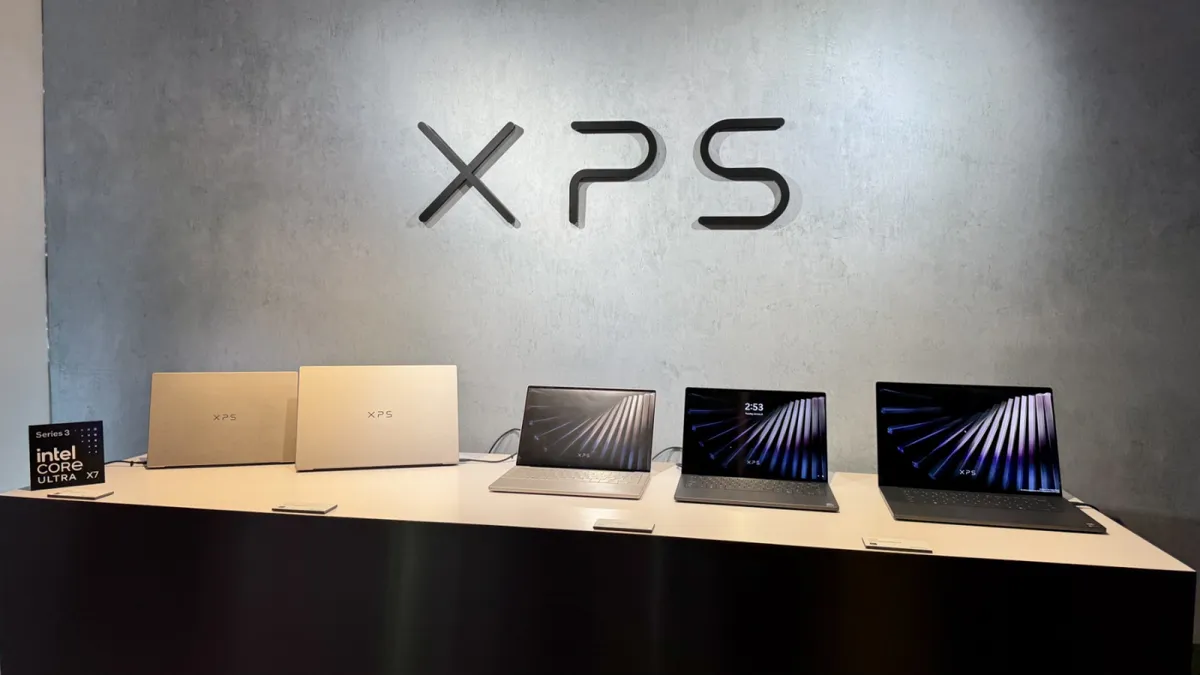 The construction of data centers and the development of AI infrastructure are consuming vast quantities of memory and storage, creating scarcity in the consumer electronics supply chain. This increased demand and limited supply directly translate to higher raw material costs for manufacturers.
This situation is not unique to Dell. Microsoft previously announced price increases of up to $500 for its Surface devices, citing "recent increases in memory and component costs." Similarly, Framework, a company known for its modular PCs, has had to adjust its RAM and SSD pricing almost monthly due to market volatility. Lenovo and Acer have also implemented price hikes on their premium Chromebooks, with Acer explicitly stating its adoption of "flexible pricing and promotional strategies to support demand and stabilize product availability as component costs increase."
Dell's gaming division, Alienware, has also been affected. The new entry-level Alienware 15 laptop was launched at $1,299.99, a price point noted as being higher than initially anticipated. A Dell representative confirmed that this pricing reflects the "rising cost of RAM" and is intended to remain competitive within the current market landscape.
Impact Analysis
The consistent price increases across multiple PC manufacturers, including Dell's XPS line, Microsoft's Surface, Framework, Lenovo, and Acer, highlight a significant and persistent challenge within the global technology supply chain. The insatiable demand for memory and storage driven by AI development is fundamentally altering the economics of PC manufacturing. Consumers looking to purchase new laptops, especially performance-oriented models like the XPS series, are facing higher entry prices. This trend could potentially dampen demand for consumer PCs in the short term, or conversely, accelerate the adoption of cloud-based solutions for users seeking more cost-effective computing. For manufacturers, the focus will likely shift towards optimizing supply chain resilience, exploring alternative component sourcing, and potentially redesigning products to incorporate more readily available or cost-effective components, although this poses its own set of engineering challenges. The long-term impact will depend on the trajectory of AI development, global manufacturing capacities, and the strategic responses of major technology firms.