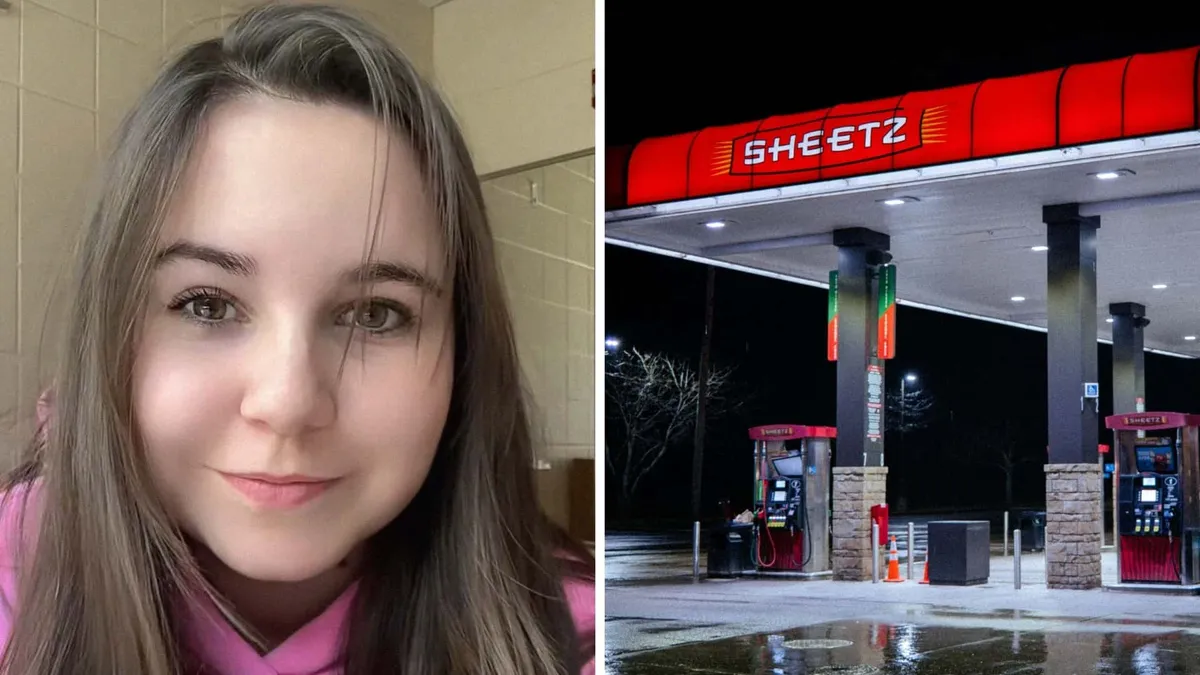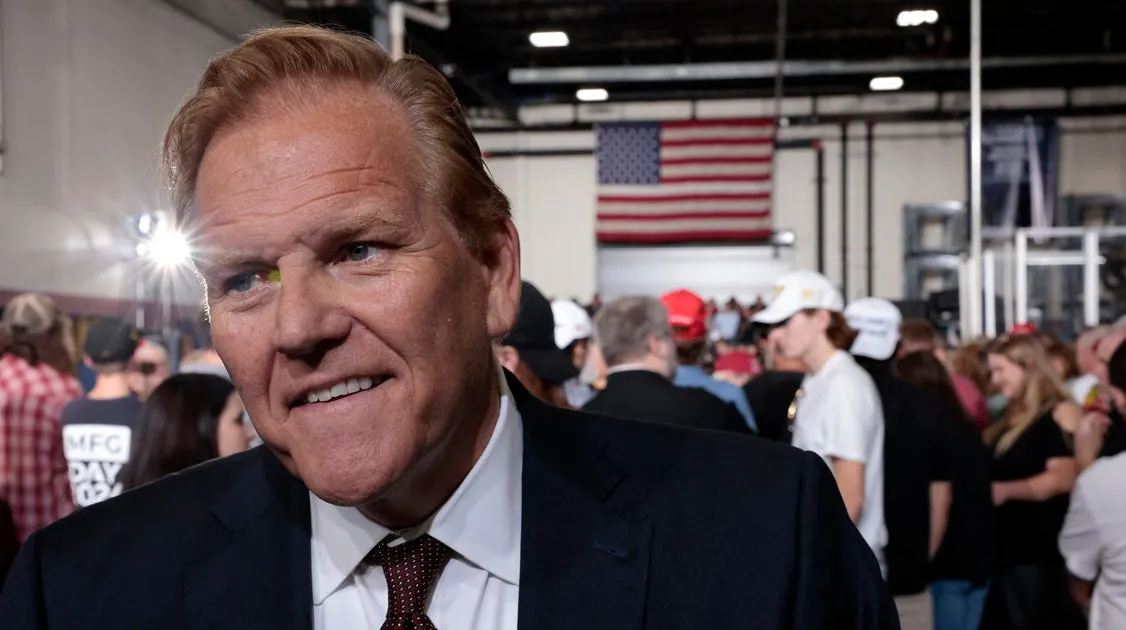
Former Michigan Representative Mike Rogers, a candidate for the U.S. Senate endorsed by former President Donald Trump, found himself at the center of a social media storm following the dissemination of an altered image intended to celebrate his birthday. The photograph, shared by political operative Abby Ronson, was quickly flagged on X (formerly Twitter) with a prominent "Made with AI" designation, sparking immediate criticism and mockery.
The incident highlighted the increasing scrutiny and skepticism surrounding the use of artificial intelligence in political campaigning and public relations. As AI-generated imagery becomes more sophisticated, distinguishing between authentic and fabricated visuals is becoming a critical challenge for both the public and media, potentially impacting perceptions of authenticity and trust in political figures.
The AI Image Controversy Unfolds
The controversy began when Abby Ronson posted a birthday message for Rogers, proclaiming him "Michigan’s next Senator." However, the accompanying image, which appeared to significantly enhance Rogers' physique, was immediately identified as AI-generated. This led to widespread online commentary, with many users pointing out the obvious digital manipulation.
Social media platform X's proactive flagging system recognized the image as AI-generated, a feature designed to combat misinformation. This official designation amplified the narrative, drawing further attention to the campaign's perceived attempt to present an idealized, digitally altered version of the candidate.
Public and Political Reactions
The reaction on social media was swift and largely critical. Users quickly compared the AI-generated image to genuine photographs of Rogers, highlighting the discrepancies. The "Made with AI" tag served as a beacon for critics, who seized upon the moment to question the authenticity and judgment of the campaign.
The situation escalated as several Democratic lawmakers joined the fray, posting their own AI-generated images in a satirical response. Representatives Jared Moskowitz and Mike Schlossberg, along with Senator Matt Lesser, shared digitally manipulated pictures of themselves, poking fun at the original post and implicitly criticizing Rogers' campaign for its choice of imagery. State Senator Mallory McMorrow, a Democratic candidate for the Senate nomination, responded by stating, "This is gender affirming care," a comment that further amplified the discussion around the AI-generated image's potentially gender-altering enhancements.
Campaign's Response and Broader Implications
In response to the public reaction, Mike Rogers himself posted a different AI-generated image, this one depicting him entering a professional wrestling match, captioned, "Put me in coach." While this appeared to be an attempt to engage with the humor and diffuse the situation, many critics found the initial AI use "humiliating," "embarrassing," and "cringeworthy." The response from various political figures and commentators underscored a prevailing sentiment that the campaign's use of AI in this manner was a misstep.
The incident raises significant questions about the ethical use of AI in political communication. While AI tools can offer creative ways to engage audiences, their misuse, particularly in generating deceptive imagery, can lead to public distrust and backlash. The "AI-backfire" serves as a cautionary tale for political campaigns navigating the evolving digital landscape, emphasizing the need for transparency and authenticity in all forms of communication.
Impact Analysis
The controversy surrounding Mike Rogers' AI-generated image highlights a growing trend of artificial intelligence being used, and sometimes misused, in political campaigns. The rapid identification and flagging of the image by social media platforms underscore the ongoing challenge of discerning truth in the digital age. This event could influence how political campaigns approach visual media, potentially leading to increased caution regarding AI-generated content or, conversely, a more deliberate strategy to embrace and control the narrative around AI imagery.
Furthermore, the widespread mockery and commentary from political opponents suggest that such missteps can become significant liabilities, offering opponents ample material to criticize a candidate's judgment and campaign tactics. The incident may also spur further development of AI detection tools and public awareness campaigns aimed at educating voters about the prevalence and potential impact of AI-generated content in political discourse.