Traveling, for many, presents a spectrum of challenges, from logistical hurdles to broader societal issues. For transgender and non-binary individuals, these complexities can be amplified, touching upon concerns about identity documentation, navigating public spaces like airports, and assessing the safety of destinations. However, beyond these significant institutional barriers, the experiences of exclusion or disappointment can arise from within one's own community – moments that are often unexpected and particularly disheartening when they stem from those who should understand.
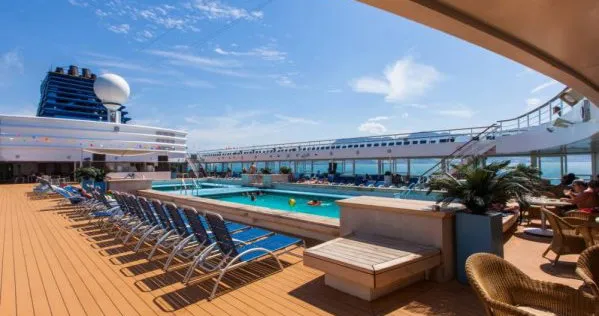
A recent firsthand account details a week-long cruise taken by a non-binary traveler and their family. While the trip offered a welcome escape and the allure of disconnection, the underlying anxieties about identity in a new environment were present. The cruise line's expectation of formal wear for evening events posed an immediate challenge, as traditional formal dress codes often lack consideration for non-binary comfort and expression. This led to the traveler opting for gender-conforming attire to avoid potential dress code violations, a compromise that highlighted the persistent need to navigate societal norms even in leisure settings.
Navigating LGBTQ+ Spaces and Community Dynamics
Amidst these personal reflections, the cruise program featured a daily LGBTQ+ social hour, presenting an opportunity to connect with like-minded individuals and find a sense of belonging. Anticipating a space for shared experiences and mutual understanding, particularly for fellow trans and non-binary travelers, the traveler and their family made their way to the designated area. Initially, a misunderstanding with a waiter, who questioned their presence based on a perceived lack of LGBTQ+ identifiers, underscored the external assumptions often made about identity. While the situation was quickly rectified, it served as a prelude to the more complex dynamics that unfolded within the social hour itself.
Upon entering, the space was observed to be predominantly populated by cisgender gay men, with only a few other individuals representing different facets of the LGBTQ+ spectrum, including the traveler's family and a lesbian couple. This demographic imbalance, while not inherently problematic, contributed to an atmosphere where establishing common ground proved challenging. The expectation of an inclusive environment began to wane as the social dynamics became apparent, revealing a subtle but palpable sense of otherness for the non-binary family.
The Incident of Exclusion
A pivotal moment occurred when a remark was overheard from a group of attendees expressing surprise at a child's presence in the LGBTQ+ social hour, framing it as incongruous. This comment, met with laughter from others, ignited a direct response from the traveler: “Queer people can have kids, too!” The subsequent embarrassment of the individual who made the comment did little to alleviate the sting of the exclusionary sentiment. This incident crystallized the discomfort the traveler had been experiencing, transforming what was intended as an inclusive gathering into an uncomfortable encounter rooted in a narrow perception of the LGBTQ+ community.
This experience highlighted a critical issue: the assumption that the term 'LGBTQ+' exclusively represents cisgender gay and lesbian individuals. Such a limited view overlooks the vast diversity within the community, including transgender, non-binary, bisexual, and queer individuals, as well as the existence of queer families, which often require significant effort to form and sustain. The casual dismissal of a queer family's presence in a space designated for LGBTQ+ individuals underscores the ongoing need for education and genuine inclusivity.
Opportunities for Enhanced Inclusivity
While the cruise line's execution of the LGBTQ+ social hour could have been more robust, contributing factors to the exclusionary atmosphere were also identified. Suggestions for improvement included more prominent advertising of the event beyond a basic program note, the provision of a community facilitator to guide interactions and ensure all attendees felt welcome, and the use of name tags with pronoun fields to aid visibility and understanding. Furthermore, training for cruise line staff involved in hosting such events could help them better understand the diverse identities within the LGBTQ+ community, moving beyond a singular focus on cisgender gay and lesbian individuals.
These structural improvements, while beneficial, were seen as secondary to the core issue: the internal dynamics within the LGBTQ+ community itself. The experience suggests that some attendees in the designated social hour appropriated the space, interpreting 'LGBTQ+' through a lens that excluded non-cisgender or non-gay individuals, particularly those with families. This internal lack of broader recognition and acceptance within the community can be more profoundly hurtful than external prejudice, especially when solidarity is most needed.
The Broader Impact on Community Cohesion
At a time when the rights of the LGBTQ+ community are facing significant challenges, the need for internal cohesion and mutual support is paramount. The incident underscores that true inclusivity requires more than just designated spaces; it demands active effort from all members to educate themselves about the diversity within the queer community and to ensure that all individuals, regardless of their specific identity or family structure, feel seen, respected, and welcomed. The traveler's reflection that resentment from within their own community felt more damaging than overt hostility from outsiders speaks volumes about the impact of microaggressions and the critical importance of intersectional understanding.
The experience left the traveler feeling othered in a space intended for solidarity, a feeling that negated the potential for joy and connection. While brief interactions with some individuals from the social hour in subsequent days offered moments of positive engagement, the initial discomfort prevented a return to the dedicated LGBTQ+ gathering. This narrative serves as a poignant reminder that fostering an inclusive environment requires continuous effort, education, and a commitment to embracing the full spectrum of identities and experiences within the broader LGBTQ+ community.
Impact Analysis
This narrative highlights a critical, often overlooked, aspect of social inclusion: the internal dynamics within marginalized communities. While external discrimination and institutional barriers remain significant challenges for transgender and non-binary individuals, experiences of exclusion within spaces intended for LGBTQ+ people can be particularly damaging. The incident on the cruise ship points to a broader societal issue where certain segments of the LGBTQ+ community may not fully embrace or understand the diversity of identities and family structures that exist within it. This internal friction can undermine the collective strength and solidarity needed to advocate for rights and combat discrimination. The account emphasizes the urgent need for enhanced education and awareness regarding intersectionality and a commitment to genuine allyship, not just from institutions but from individuals within the community itself, to ensure that all members feel safe, respected, and valued.