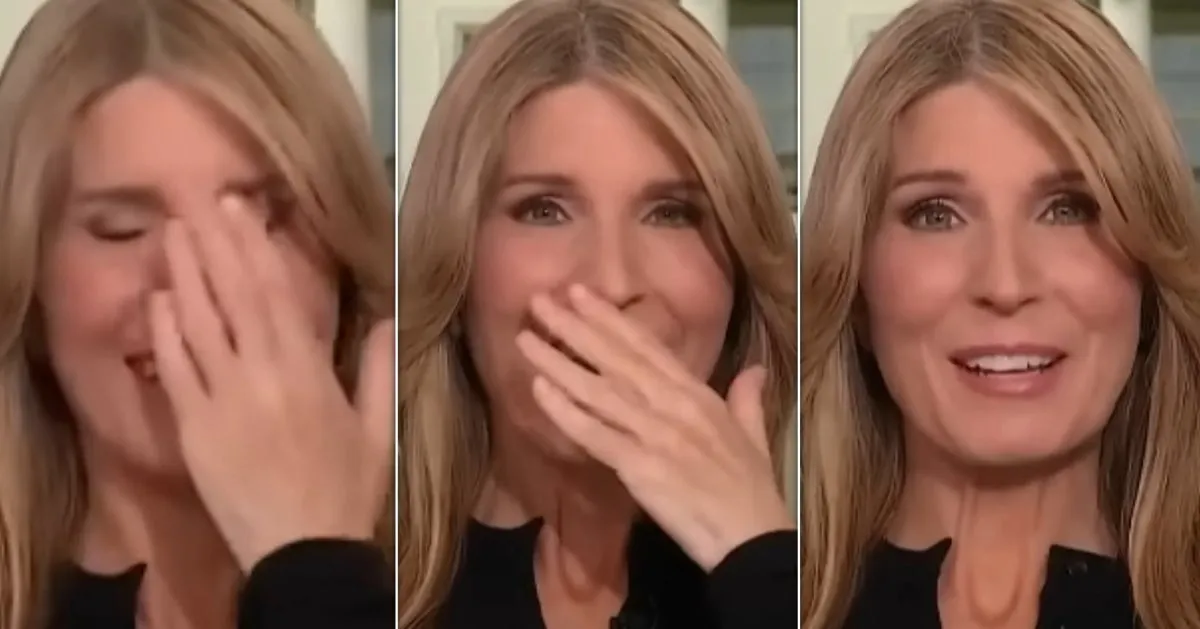
MSNBC anchor Nicolle Wallace expressed disbelief and amusement during a recent broadcast as she reacted to a montage of Donald Trump's cabinet members engaging in effusive praise during a cabinet meeting. The segment highlighted a recurring pattern of flattery directed at the former president, a phenomenon Wallace found so remarkable that she initially questioned its authenticity, even speculating it might be AI-generated content.
The on-air reaction underscored the perceived sycophancy within the administration, with Wallace initially covering her face in laughter. She candidly stated, “I had to make sure that was real. I did not believe that was real. You know, AI is everywhere and I thought that was AI. I didn’t think that that was real. I didn’t think people could actually act that way in front of a president sitting at about 32%.” This remark points to a critical observation about political discourse and the potential for manufactured realities in the digital age.
Cabinet Meeting Dynamics and Perceptions
Wallace continued to dissect the captured moments, observing the contrast between the seemingly idyllic portrayal presented by the cabinet and potential public sentiment. She remarked, “That was real and with hard-hitting Cabinet officials like those it’s no wonder Donald Trump thinks the country’s hot right now and that America is experiencing some sort of golden age.” This suggests a potential disconnect between the internal dynamics of the administration and the external reality of public opinion or broader national sentiment.
Further elaborating on this discrepancy, Wallace proposed that Trump might be either deliberately shielded from critical feedback or genuinely out of touch with how Americans perceive his presidency. This raises questions about the role of advisors and the information ecosystem surrounding political leaders, particularly concerning the filtering of negative or critical information. The anchor's commentary invited viewers to consider the implications of such an environment on leadership and decision-making.
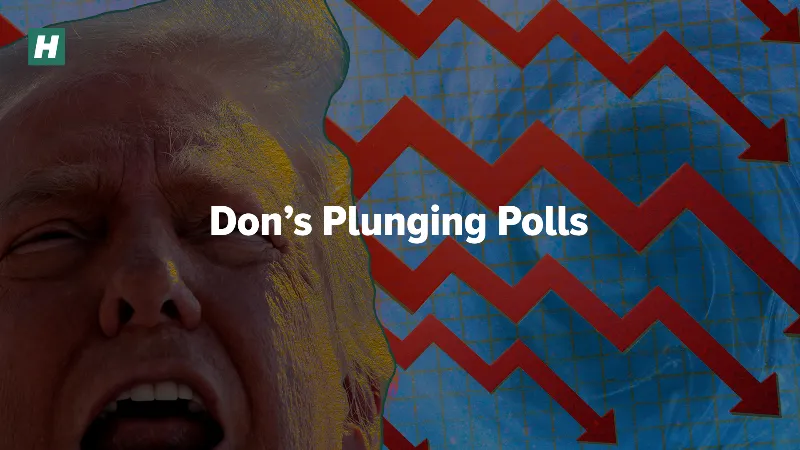
The specific instances of praise, as shown in the montage, likely included affirmations of Trump's policies, leadership style, or overall performance. Such displays are often interpreted as attempts to curry favor or signal loyalty, a common dynamic in political environments. However, Wallace's reaction implies a concern that these affirmations might be creating an echo chamber, reinforcing a potentially distorted perception of his standing and the nation's condition.
The implication that the president might be receiving an unbalanced view of his support and the nation's status is significant. It suggests a potential failure in the checks and balances that are crucial for effective governance. When advisors prioritize flattery over candid assessment, the leader may be unable to make informed decisions based on accurate feedback, potentially leading to strategic missteps or a misreading of the political landscape.
Analysis of Political Flattery in the Digital Age
The phenomenon of exaggerated praise in political settings is not new, but Wallace's reference to AI highlights how rapidly evolving technology can intersect with established political behaviors. The ease with which synthetic media can be generated raises concerns about distinguishing authentic interactions from manufactured ones, adding another layer of complexity to political analysis. This blurring of lines can impact public trust and the perception of sincerity in political discourse.
Furthermore, the accessibility of information in the digital age, while theoretically fostering transparency, can also lead to polarization and the formation of curated information bubbles. Individuals, including political leaders, may selectively consume information that reinforces their existing beliefs, making them less receptive to dissenting views or objective criticism. This can be exacerbated by social media algorithms that prioritize engagement, often through content that confirms pre-existing biases.
Broader Implications for Governance and Media
The incident underscores the critical role of media in holding power accountable. News anchors and journalists serve as crucial intermediaries, filtering information and providing analysis that helps the public understand complex events. Wallace's commentary, in this context, served not only as a reaction but also as an analytical piece, questioning the authenticity of political interactions and their potential consequences.
The dynamic also raises questions about the responsibility of individuals within a political system to provide honest counsel. While loyalty is often valued, a healthy political environment typically requires a diversity of opinions and a willingness to challenge the status quo. When this is replaced by uniform adulation, it can signal a decline in robust debate and critical assessment, potentially leading to detrimental outcomes for the administration and the public it serves.